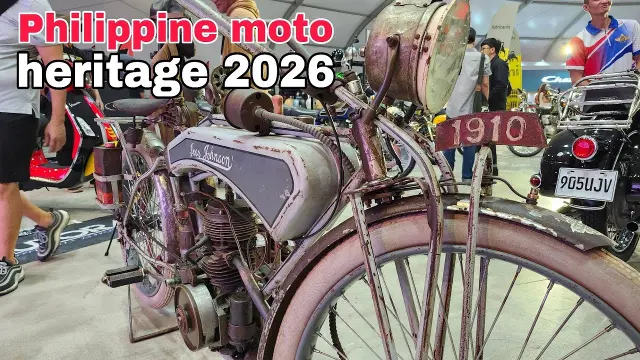
 Classic and Custom Motorcycles at Philippine Moto Heritage
#Vintage Bikes
1 ideas
Classic and Custom Motorcycles at Philippine Moto Heritage
Get new #Vintage Bikes ideas by email
Every Thursday: the week's best ideas, with the newest from #Vintage Bikes.
Related tags
A Beginner's Guide to Vintage Bikes
A vintage bike is a motorcycle built in an earlier era, kept or brought back to the way it was meant to look and run. There is no single cut-off date everyone agrees on; most people mean machines from the middle decades of the twentieth century and before, when engineering was simpler and a rider was expected to do a good deal of the thinking. Some count only untouched originals, others include anything old enough to have a following. What unites them is not age so much as character: visible mechanical workings, modest power, and a shape that came from function rather than styling.
Where the appeal comes from
Early motorcycles were bicycles with engines bolted on, and that logic never fully disappeared. Frames were steel, tanks were steel, and everything that made the bike go could be seen, touched and adjusted at the roadside. Riders of that period learned to listen to an engine, to feel a slipping clutch, to read a spark plug. Many people are drawn to vintage bikes for exactly that: the sense of understanding a machine completely, and of riding something that asks for attention rather than just delivering speed.
Original or restored
Read more
Owners tend to fall into two camps. Preservation keeps a machine as found, protecting its wear and its history, replacing only what is unsafe. Restoration takes it apart and returns it to showroom condition, which is more expensive and more demanding than it looks. Purists argue about originality, but the practical answer is that a well-kept, honest bike is usually more enjoyable than a perfect one you are afraid to use. If you restore, keep the parts you remove.
What beginners should know
- Buy the owner as much as the bike: a patient, knowledgeable seller is worth more than a shiny machine with a vague history.
- Check the paperwork before anything else. A clear title in the seller's name saves enormous trouble later.
- Look for rust in the frame and tank, cracked rubber, and wiring that has been spliced by hand many times over.
- Expect to learn. Carburettors, contact points, cable adjustment and tyre pressure are all part of ownership.
- Find out whether parts are available and whether a local mechanic will touch older machinery before you commit.
- Store it dry, with the tank full to limit corrosion, the battery tended, and the tyres off cold concrete.
Riding with respect
An older bike rewards smoothness. Brakes of that era work differently from modern ones, tyres grip less, and lights are dimmer than you expect. Leave more room, ride within the machine's limits rather than yours, and treat maintenance as part of the hobby rather than a chore. Ridden sensibly and looked after kindly, a vintage bike can be used for decades — which is, after all, how it survived this long.
#Vintage Bikes: frequently asked questions
How do I get started with vintage bikes?
Start by learning what a simple engine actually needs — fuel, spark, compression and adjustment — and by meeting owners who already ride older machines. Buying something that runs and is ridden regularly teaches you far more than a project that arrives in boxes. Decide early whether you want a machine to tinker with or one to ride, because the two call for very different amounts of patience.
What should I check before buying an old motorcycle?
Look at the paperwork first, since a clear title in the seller's own name prevents a great deal of trouble afterwards. Then inspect the frame and tank for rust, the rubber for cracks, and the wiring for repeated hand splicing, all of which hint at how the bike has been kept. It also pays to confirm that parts can be found and that a local mechanic is willing to work on older machinery before you commit.
Should I preserve an old bike or restore it?
Preservation means keeping the machine as found and replacing only what is unsafe, which protects its wear and its history. Restoration strips it down and returns it to showroom condition, which is more costly and more demanding than it appears. The practical view is that an honest, well-kept bike usually brings more pleasure than a flawless one you are reluctant to use — and if you do restore, keep the parts you take off.
Which kind of vintage bike is best to choose?
Choose by what you actually intend to do with it rather than by rarity, since a model with parts support and a friendly owners' community will keep you riding. Sit on the bike and think about its weight and height, because older machines can feel heavier than they look once you are stopped. Simpler designs with fewer cylinders are generally easier to learn on and to maintain yourself.
How should I care for a vintage bike between rides?
Store it dry, keep the tank full to limit corrosion inside, tend the battery, and lift the tyres off cold concrete so they do not flat-spot. Get into the habit of checking cable adjustment, tyre pressure and how the engine is running rather than waiting for something to fail. Treating maintenance as part of the hobby, not a chore, is what keeps an old machine usable.
What mistakes do new owners make?
The most common is falling for a shiny machine with a vague history instead of a sound one with a patient, knowledgeable seller behind it. Others are ignoring the paperwork, then discovering the bike cannot be registered easily, or over-restoring and becoming afraid to ride the result. On the road, the usual error is riding an older bike as if its brakes, tyres and lights behave like modern ones.
Videos come from YouTube and posts from Instagram; titles and summaries are our own. All rights belong to their creators.