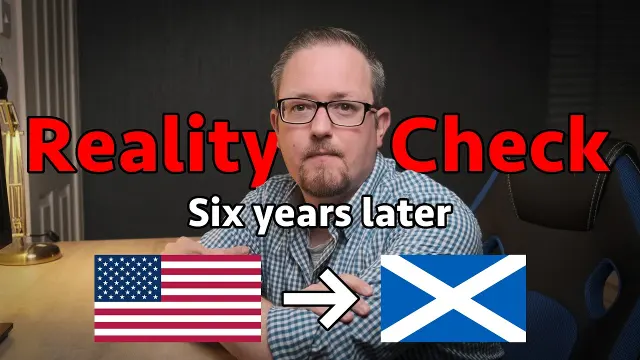
 An American's Honest Look at Moving to Scotland
#Moving Abroad
2 ideas
An American's Honest Look at Moving to Scotland
Get new #Moving Abroad ideas by email
Every Thursday: the week's best ideas, with the newest from #Moving Abroad.
Related tags
Moving Abroad: A Practical Guide to Starting Over Elsewhere
Moving abroad means relocating to another country for a stretch of time long enough that daily life, not travel, becomes the point. It is different from a holiday or a long visit: it usually involves a visa or residence permit, an address, a way of earning or studying, and the slow work of building a life in a place where the ordinary rules are not the ones you grew up with.
People move for many reasons. Work and study are the most common, followed by love and family, retirement, a lower cost of living, or simply the wish for a different pace. Some moves are permanent, some last a few years, and some are seasonal or part-time, with a foot in two countries. None of these is the "real" version; the shape of the move should follow the reason for it.
The main kinds of move
- Work-led: a job offer, an internal transfer, or self-employment in the new country.
- Study-led: a course or research post, often with limited working rights attached.
- Family and partner moves: joining a spouse, partner or relatives.
- Lifestyle moves: retiring, working remotely, or running a small business somewhere cheaper or quieter.
- Return moves: going back to a country you or your family once left, which brings its own surprises.
Read more
What beginners should know
Start with the paperwork, because everything else depends on it. Immigration rules differ enormously between countries and are usually specific to your nationality, your reason for moving and your income or savings. Read the official government sources rather than forums or social media, and allow more time than feels reasonable; applications are slow and mistakes are expensive.
Money is the second foundation. Work out the real cost of housing, transport, insurance and taxes in the new place, not the cost you remember from a holiday. Keep an emergency fund in a currency you can access quickly, and understand how you will be taxed and whether you can open a local bank account.
Language matters more than most people expect. Even where English is widely spoken, everyday administration, medical appointments and neighbourly small talk happen in the local language. Learning some before you go, and committing to more once you arrive, changes the experience from managing to belonging.
Practical tips
Visit first if you can, and visit in an ordinary season rather than the best one. Ask yourself what you would do on a wet Tuesday, not on a sunny Saturday.
Expect a curve: early excitement, a dip when the novelty wears off and everything is effortful, then a steadier settling. This is normal and it passes. Keep routines, find one or two places that become yours, and let friendships form slowly.
Be realistic about distance from family, about what you cannot bring, and about homesickness, which often arrives months in rather than weeks. And keep the practical trail tidy: copies of documents, a record of your rights and deadlines, and a clear idea of what would make you decide to stay or to move again.
#Moving Abroad: frequently asked questions
How do I actually start planning a move abroad?
Start with the immigration side, since visas and residence permits shape everything else — your housing, your work, your timeline. Read the official government sources for the country you're considering rather than relying on forums or what a friend was told, and build in more time than feels necessary. Only once that framework is clear should you start pricing out the practical side of daily life there.
What do I need in place before I go?
Beyond the permit itself, you need a realistic picture of money: housing, transport, insurance and taxes in the new country, not the costs you remember from a holiday. Set aside an emergency fund you can reach quickly, and sort out how you'll bank locally before you arrive. Keep copies of your documents and a written record of your rights and deadlines, because the practical trail gets messy fast.
Which kind of move is right for me?
There's no single correct version — work, study, joining a partner or family, retiring somewhere quieter, or returning to a country your family once left are all legitimate shapes. The right one is the one that follows your actual reason for going, whether that's a job, a course, love, or a different pace of life. Some moves are permanent, some last a few years and some are split between two countries.
Should I visit the country before committing?
If you can, yes — and go in an ordinary season rather than the best one. The useful question isn't what you'd do on a sunny Saturday but what a wet Tuesday would look like. A visit won't tell you everything, but it will show you the texture of daily life rather than the version you see as a traveller.
Is it normal to feel low after the move?
Very. Most people ride a curve: early excitement, then a dip once the novelty wears off and every small task becomes effortful, then a steadier settling that comes gradually. Keep routines, find one or two places that become yours, and let friendships build slowly rather than forcing them. Homesickness often arrives months in rather than weeks, so don't read it as a sign the move was wrong.
What do people most often get wrong?
Underestimating the language is a common one — even where English is widely spoken, administration, appointments and neighbourly small talk happen in the local language, and some of it before you go makes a real difference. Others misjudge the distance from family, or plan the move around a holiday memory instead of the real cost of living there. Expecting the adjustment to be linear, rather than bumpy and slow, sets people up to be disappointed by something perfectly normal.
Videos come from YouTube and posts from Instagram; titles and summaries are our own. All rights belong to their creators.