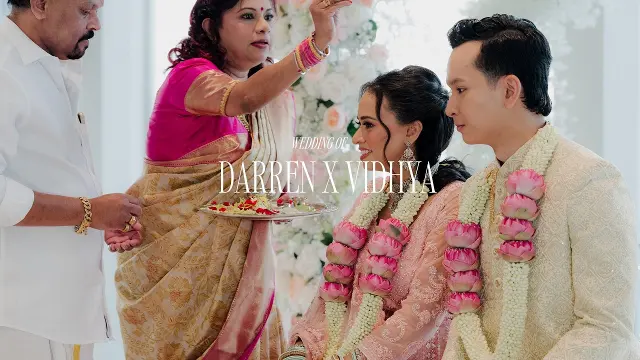
 Singapore Mixed Chinese and Indian Wedding Highlights
#Multicultural Wedding
1 ideas
Singapore Mixed Chinese and Indian Wedding Highlights
Get new #Multicultural Wedding ideas by email
Every Thursday: the week's best ideas, with the newest from #Multicultural Wedding.
Related tags
Multicultural Weddings: Blending Traditions with Care
A multicultural wedding brings together two different cultural, religious, or family traditions in one celebration. It can be a beautiful way to honour both backgrounds while creating a wedding that feels personal to you. Because every family and culture has its own customs, a multicultural wedding is less about following a fixed formula and more about thoughtful choices, respect, and clear communication.
What a multicultural wedding can include
Some couples choose to weave together elements from both families, such as rituals, music, dress, readings, or food. Others keep the ceremony in one tradition and add meaningful touches from the other culture during the reception. There is no single right way to do it. What matters is that the celebration feels sincere and that both sides feel seen.
A multicultural wedding may involve different languages, different ceremonial roles, or different ideas about hospitality and formality. It can be religious, civil, symbolic, or a mix of these. The most successful celebrations are usually the ones that make space for both traditions without forcing them to fit together in an unnatural way.
Read more
Planning with respect
The first step is to talk openly with each other about what matters most. You may each have traditions that are essential, traditions that are flexible, and customs you would like to include simply as a sign of respect. It helps to speak with parents, elders, or officiants early so that expectations are clear.
If a ritual is sacred or family-specific, ask whether there are particular rules you should follow. Some customs may require guidance, specific wording, or a certain order. If you are unsure, it is always better to ask than to guess.
You may also need to think about guests who are unfamiliar with one tradition. Simple explanations in the program, a short welcome speech, or a helpful officiant can make the ceremony easier to follow and more meaningful for everyone.
Common ways to blend traditions
There are many gentle ways to combine cultures in a wedding:
- Include both families in the planning and ceremony in ways that feel comfortable
- Choose music, readings, or blessings from each background
- Use colours, fabrics, flowers, or decorations that reflect both cultures
- Serve dishes from both culinary traditions
- Hold separate moments within the day for each family’s customs
- Create bilingual or multilingual elements where useful
Some couples prefer a fully blended ceremony, while others keep certain rituals distinct. Both approaches can be beautiful. The key is balance.
Practical things to keep in mind
A multicultural wedding may take extra time to plan, especially if there are different expectations around ceremony style, dress, food, seating, or gift-giving. Make a list of the traditions you want to include, then decide which are essential and which are optional.
It is also helpful to be flexible. A wedding does not need to mirror every custom from both sides in equal measure. Even a few meaningful details can show care and honour your shared story.
Most of all, remember that your wedding is a beginning. A multicultural celebration can be a powerful way to show that two family histories can meet with dignity, warmth, and joy.
#Multicultural Wedding: frequently asked questions
How do we start planning a multicultural wedding?
Start by talking honestly with each other about which traditions matter most to you, which you are flexible about, and which you would include mainly out of respect for family. Then bring parents, elders, or officiants into the conversation early so that expectations are clear before decisions harden. From there, build a simple list of the customs you want and sort them into essential and optional.
Do we have to include traditions from both cultures equally?
No. A wedding does not need to mirror every custom from both sides in matching amounts, and trying to force that balance often makes the day feel crowded. A few thoughtful, sincere details can honour a heritage just as well as a long checklist. What matters is that neither side feels erased.
Is a fully blended ceremony better than keeping rituals separate?
Neither approach is inherently better. Some couples weave rituals, music, dress, and food from both backgrounds into a single flow, while others hold the main ceremony in one tradition and add a distinct moment for the other, often during the reception. Choose whichever lets each custom be performed properly rather than squeezed into a shape it does not fit.
How do we help guests who don't know one of the traditions?
Assume most guests will be unfamiliar with at least one part of the day, and give them a way in. A short explanation in the program, a welcome speech that names what is happening and why, or an officiant who narrates the ritual can transform the experience for everyone. Bilingual elements help too when language is part of the ceremony.
What are the most common mistakes couples make?
The usual pitfalls are guessing at a ritual's rules instead of asking, letting one family's expectations quietly dominate the planning, and overloading the day until nothing feels considered. Another is treating sacred or family-specific customs as decoration without checking whether they require guidance, specific wording, or a set order. Asking early prevents most of this.
How do we handle family disagreement about which customs to include?
Separate what is genuinely essential from what is merely expected, and be open with relatives about the difference rather than avoiding the conversation until it becomes a conflict. Hearing why a tradition matters to someone often reveals a smaller version of it that still honours the intent. Keep the discussion about the ceremony itself, and remember that your wedding is the start of a long shared story rather than a verdict on either family.
Videos come from YouTube and posts from Instagram; titles and summaries are our own. All rights belong to their creators.