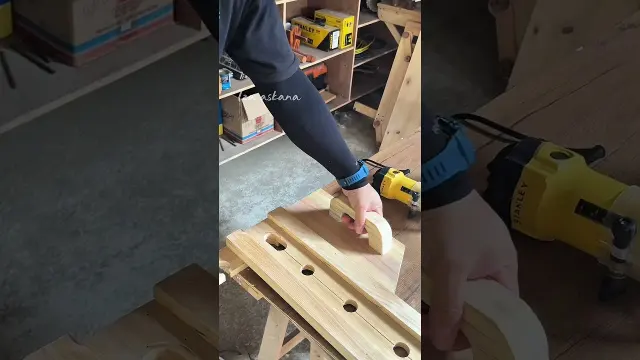
 Creative Ideas To Make A Simple Multifunctional Jig
#Multifunctional
14 ideas
Creative Ideas To Make A Simple Multifunctional Jig
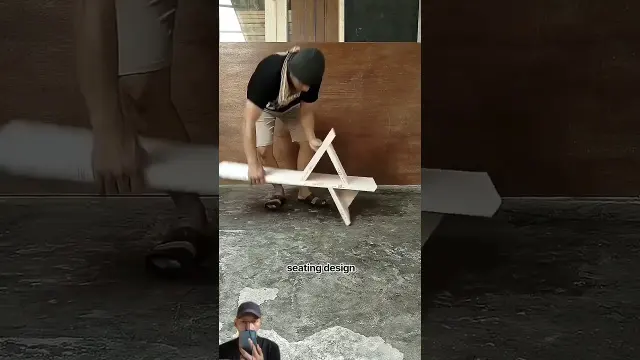 Unique Folding Wooden Chair With Multiple Seating Styles
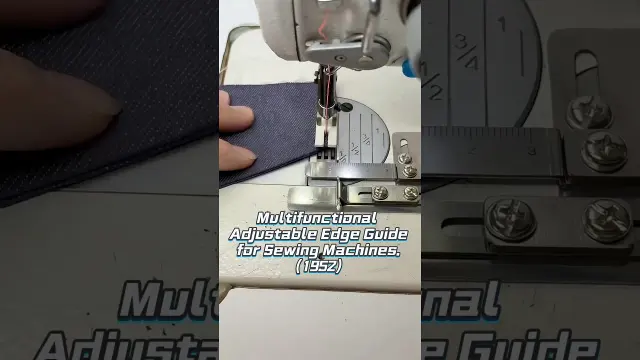 Multifunctional Adjustable Edge Guide For Sewing Machines
 Two Seater Sofa Bed With Built In Mattress For Modern Homes
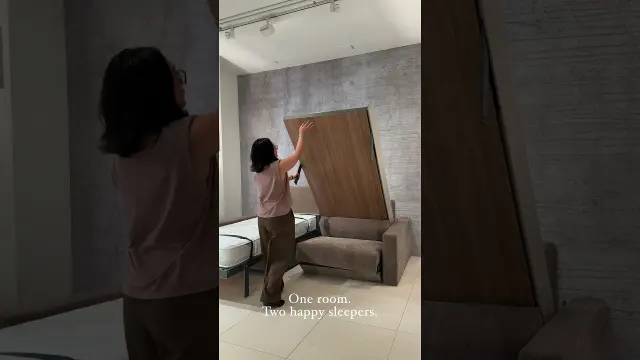 Space Saving Multifunctional Wall Bed System For Shared Bedrooms
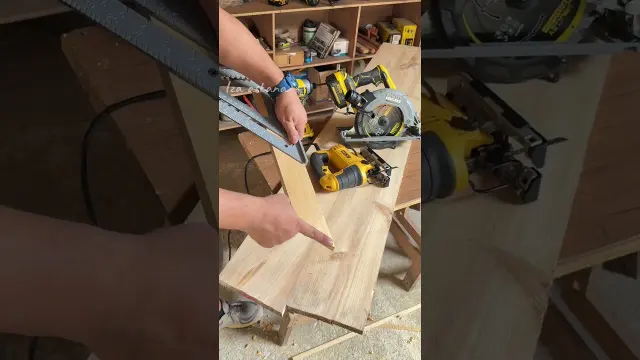 Making A Simple But Multifunctional Jig For Saws
 Comparing Mini French Fries Quick Cutter And Vegetable Cutter
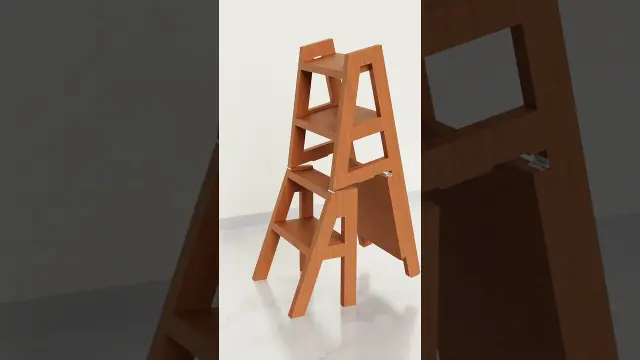 Smart Multifunctional Furniture Transforming Chair Into Ladder
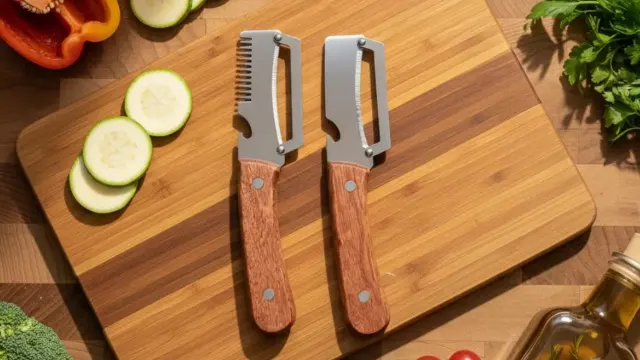 Ergonomic Multi Functional Vegetable Peeler Review
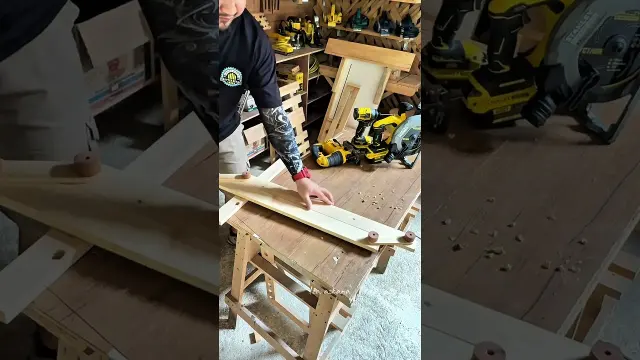 Build A Simple Multifunctional Jig For Three Different Tools
 Handy Three In One Multifunctional Vegetable Peeler
 Compact Multifunctional Electric Cooking Pot For Quick Meals
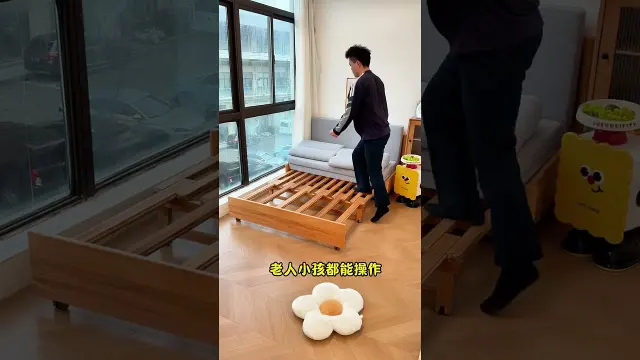 Multifunctional Smart Sofa Bed For Small Living Spaces
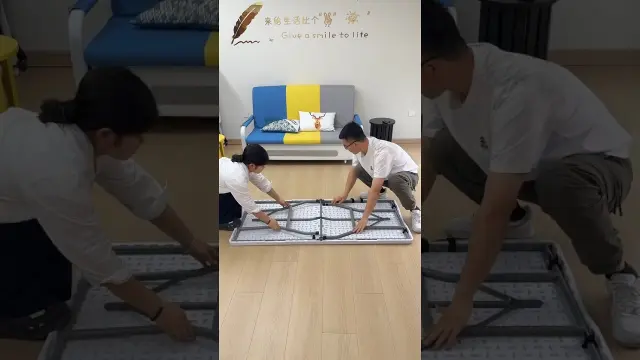 Folding Sofa Bed Design For Compact Apartments
Get new #Multifunctional ideas by email
Every Thursday: the week's best ideas, with the newest from #Multifunctional.
Related tags
Multifunctional Design for Everyday Living
Multifunctional design is all about making one item, room, or solution do more than one job. You see it in furniture that stores blankets, tables that expand, rooms that shift from work to rest, and everyday objects that adapt to different needs. The idea is simple: when space, time, or budget matters, versatility can make life easier.
The roots of multifunctional design are practical. In small homes, shared rooms, and family spaces, people have long looked for ways to combine uses without adding clutter. Over time, this approach became part of modern interior design and product design, where flexibility, efficiency, and comfort are valued together.
What multifunctional design can include
Multifunctional pieces come in many forms:
- Furniture that folds, stacks, extends, or converts
- Storage that is built into seating, beds, or benches
- Surfaces that serve as both work areas and dining areas
- Rooms arranged to support more than one activity
- Accessories that are easy to move, tuck away, or repurpose
Read more
A sofa bed is a classic example, but the idea goes far beyond that. A dining table might also function as a desk. A bench may provide seating and hidden storage. A shelf can display objects while helping divide a room.
Main benefits
The biggest advantage is flexibility. Multifunctional design can help you:
- Use limited space more efficiently
- Reduce visual clutter
- Create a room that changes with your routine
- Keep important items close at hand
- Make a home feel more organized and adaptable
It can be especially useful in smaller homes, guest rooms, family rooms, and shared living areas, where one space often needs to serve several purposes.
What to look for
If you are choosing multifunctional furniture or planning a flexible room, think about how you really live. A piece should not only look clever; it should be easy to use every day.
Keep these points in mind:
- Choose pieces that are simple to open, move, or convert
- Look for sturdy construction and good balance
- Make sure each function is actually useful to you
- Check that the item still feels comfortable in each role
- Leave enough room around it so it can work properly
A design with too many features can become awkward if it is hard to operate or does not suit your habits.
A few practical tips
Start with the most important need in the room. If you need a place to sleep and sit, choose furniture that supports both comfortably. If storage is the main issue, look for designs that hide or organize items without making access difficult.
It also helps to keep the rest of the room calm and simple. When a piece has several functions, surrounding it with too many other objects can make the space feel crowded. Clear pathways, easy-to-move items, and thoughtful placement make multifunctional design work better.
At its best, multifunctional design is not about doing everything at once. It is about helping each part of your home work a little harder, so your space feels more useful, flexible, and comfortable every day.
#Multifunctional: frequently asked questions
How do I start bringing multifunctional design into a small home?
Begin with the single need that causes the most friction in the room, such as not having anywhere to sleep a guest or nowhere to set up a laptop. Choose one piece that solves that need in each of its roles, then live with it for a while before adding anything else. Starting small keeps the room from filling up with clever items that end up getting in each other's way.
What should I look for when choosing a multifunctional piece of furniture?
Look for something you can open, fold, or move without a struggle, because a design you avoid using is worse than a plain one. Check that it feels genuinely comfortable and stable in every role, not just the one it is shown in, and that its hardware and joints feel solid. Leave enough clearance around it so it can actually extend or unfold where you plan to put it.
Which kind of multifunctional item works well in a guest room or shared bedroom?
A convertible sleeping piece paired with hidden storage is usually the most useful choice there, since the room has to serve both daily life and occasional visits. A sofa that opens into a bed, or a wall-mounted bed that folds away, frees the floor for everyday use while still giving guests somewhere proper to sleep. A bench or ottoman with storage inside keeps bedding nearby without taking up extra space.
How do I care for multifunctional furniture so it keeps working properly?
Keep the moving parts clean and free of dust and grit, and check that hinges, latches, and folding mechanisms still sit tight every so often. Store bedding and cushions somewhere dry and aired rather than folded away damp, and avoid piling more weight on a piece than it was built to hold. If something starts to stick or wobble, deal with it early rather than forcing it, since small fixes are far easier than repairs.
What are the most common mistakes people make with multifunctional design?
The usual trap is buying a piece for the number of features rather than for how often you will actually use them, which leaves you with something fiddly and unloved. People also crowd the item with surrounding furniture, so the whole point of the flexibility gets lost in a cramped room. Another frequent slip is choosing a conversion that does not fit your habits, such as a bed you have to clear off entirely before it can open.
Are there good ideas for using multifunctional pieces on a specific occasion, like hosting or working from home?
For hosting, a surface that shifts between everyday use and a larger dining setup lets you seat more people without dedicating a room to it. For working from home, a table that doubles as a desk, or a cabinet that closes over your workspace, lets the room return to normal at the end of the day. In both cases, keeping the surrounding space clear and the item easy to move is what makes the switch feel effortless.
Videos come from YouTube and posts from Instagram; titles and summaries are our own. All rights belong to their creators.