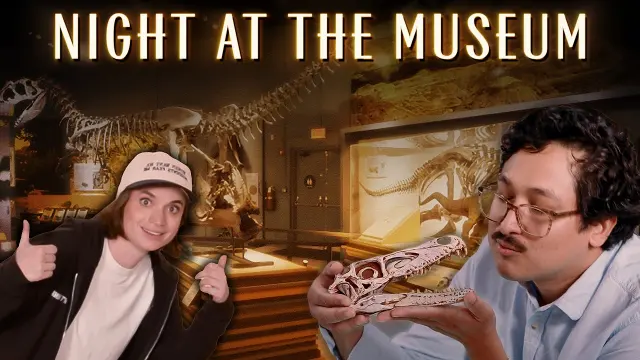
 We Spent The Night At The Museum of Paleontology
#Museum Tour
7 ideas
We Spent The Night At The Museum of Paleontology
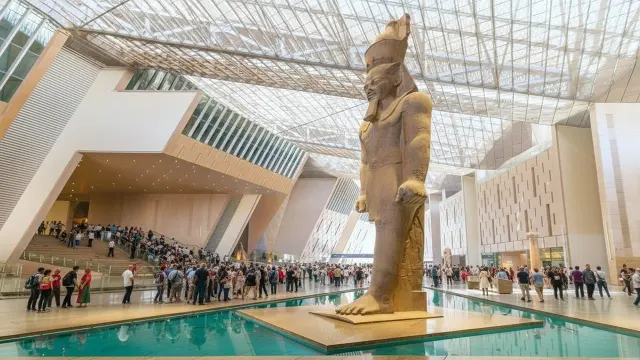 Grand Egyptian Museum Tour and Review in 4K
 Rare Anatomical Pieces Inside The Bone Museum
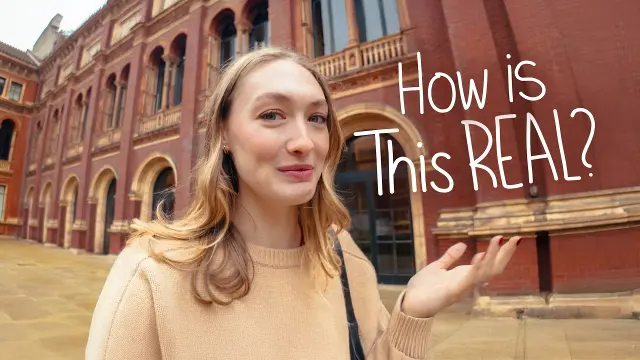 Is the Victoria and Albert Museum Worth Visiting?
 Inside America's National Museum of Funeral History
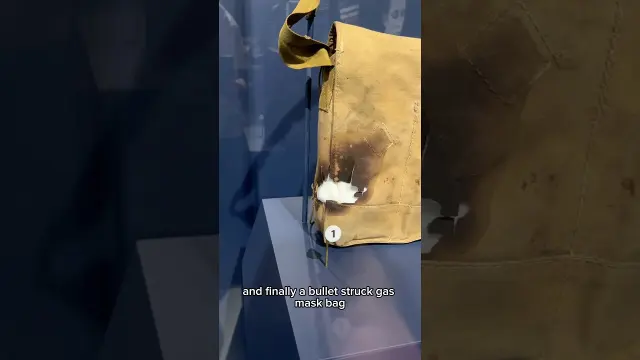 My Favorite Artifacts from the National Museum of the Marine Corps
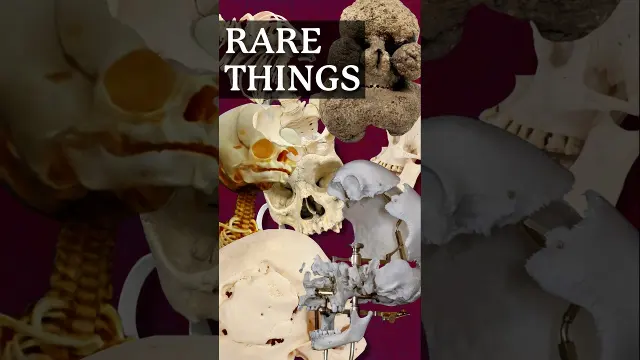 Rare Anatomical Preparations at The Bone Museum
Get new #Museum Tour ideas by email
Every Thursday: the week's best ideas, with the newest from #Museum Tour.
Related tags
A Beginner's Guide to the Museum Tour
A museum tour is time spent moving through a collection with intent, rather than drifting past displays and hoping something sticks. It can mean a person leading you from room to room, a recorded voice in your ear, or a route you have sketched out yourself before arriving. The form changes; the idea does not. You are there to look closely at real things, and to leave knowing more than you did at the door.
The guided tour has deep roots in the older habit of private collections being opened to guests, when an owner or a keeper would walk visitors through and explain what they were seeing. That telling-alongside-showing is still the heart of it. What has multiplied is the variety.
The main kinds of tour
- Highlights tours, usually short and broad, built for first-time visitors who want an overview before exploring alone.
- Thematic tours that follow one thread through the building, such as a single material, a period, a trade or a way of life.
- Behind-the-scenes tours into storage, conservation spaces or archives, often limited in number and booked well ahead.
- Audio and digital guides you follow at your own pace, pausing where something holds you.
- Self-guided routes, sometimes just a map and a handful of marked rooms, sometimes a printed trail with questions to answer.
- Virtual tours, useful for preparation, for revisiting a place, or for collections you may never reach in person.
Read more
Before you go
Check opening days and whether tours need booking, since small groups fill quickly. Decide on one or two things you actually want to see rather than a full checklist. Wear comfortable shoes and dress in layers, because large buildings swing between warm and cold. If you carry a bag, ask about cloakroom facilities at the entrance.
Making the most of it
Resist the urge to cover everything. A gallery absorbed slowly stays with you longer than a wing skimmed at speed. Stand in front of one object for a full minute and let your eyes adjust to the details. On a guided tour, ask questions when the guide invites them; most are glad of a curious group, and the answers are often the best part. Notice what is missing as well as what is displayed, because every collection is a set of choices.
Some tours cover difficult or unusual material, from funerary customs to anatomical specimens. Go at your own pace, step out if you need to, and let the guide know in advance if something may be hard to see.
Simple etiquette
Stay behind barriers and roped lines, keep your distance from objects even when they look robust, follow instructions on photography and flashes, silence your phone, and keep voices low in shared galleries. These small courtesies protect the collection and everyone else's attention.
Finally, leave a little time afterwards. Sit down, write two lines about what struck you most, and the tour will keep working on you long after you have handed back the headset.
#Museum Tour: frequently asked questions
How do I plan a museum tour if I only have a short time?
Start by choosing one or two things you most want to see, then look for a highlights or thematic tour that matches those interests. It is better to move slowly through a few galleries than to rush through the whole building and remember very little.
Do I need to book a museum tour in advance?
Many tours can be joined on the day, but special tours and small-group visits often fill up quickly. It is a good idea to check opening times, booking rules, and whether your chosen tour needs a reservation before you go.
What should I bring and wear for a museum tour?
Comfortable shoes are the most important thing, since you may be walking and standing for a while. Dress in layers and check whether the museum has a cloakroom or bag policy so you can travel light.
Which type of museum tour is best for first-time visitors?
A highlights tour is usually the easiest place to begin because it gives a broad overview without overwhelming you. If you already know what interests you, a themed tour or self-guided route can be a better fit.
What is the best way to behave on a museum tour?
Keep a respectful distance from objects, follow barrier and photography rules, and keep your voice low so others can enjoy the space. If the guide invites questions, ask them, since that is often where you learn the most.
Can I choose a museum tour if the subject matter is unusual or difficult?
Yes, but it helps to know what you are walking into and to choose a pace that feels comfortable for you. If something feels hard to see, you can step out, take a pause, and rejoin when you are ready.
Videos come from YouTube and posts from Instagram; titles and summaries are our own. All rights belong to their creators.