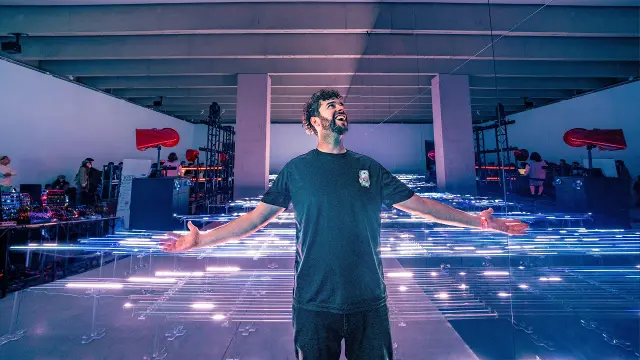
 Inside China's underground synth and modular music scene
#Music Documentary
1 ideas
Inside China's underground synth and modular music scene
Get new #Music Documentary ideas by email
Every Thursday: the week's best ideas, with the newest from #Music Documentary.
Related tags
Music Documentary: A Guide to Films That Listen Closely
A music documentary is a film that treats sound as its subject rather than its decoration. It might follow a band across a tour, sit inside a studio during a difficult record, map a city through its clubs and basements, or build a portrait of a single musician out of archival fragments. What ties the form together is attention: the camera is usually in service of listening, and the best examples let a performance run long enough that something unplanned surfaces.
Where the form comes from
Documentary film grew up alongside portable recording equipment, and music was one of the first things filmmakers pointed it at. The observational tradition, in which a crew simply stays in a room and waits, shaped early concert and tour films; television later added the interview-led portrait. Over the decades the two impulses merged. Most contemporary music documentaries borrow something from both: long unmediated sequences, then a talking-head passage that explains what you just saw.
The main kinds
Read more
- The concert film: built around performance, often one night or one tour, with the audience and the room as much the subject as the players.
- The portrait: a life story organised around a career, usually leaning on interviews and archive.
- The scene film: a place and a moment rather than a person, following several loosely connected artists.
- The process film: the making of a record, where conflict and craft become the plot.
- The archival or essay film: assembled from found footage and recordings, arguing a thesis rather than reporting events.
- The series: the same material at book length, with room for tangents a feature cannot hold.
What beginners should know
Making one is less about camera quality than about sound. Viewers forgive soft images; they do not forgive dialogue they cannot follow or music that sounds thin. Record audio separately wherever you can, close-mic interviews, and ask for room tone in every location so the edit has something to fall back on.
Then think about structure before you shoot too much. A music documentary needs a question, not just a subject: how a song came together, why a place produced a sound, what a musician does when the audience stops coming. Footage gathered without that question tends to become a pile of good moments that never cohere.
Get permissions early. Filming performances, using existing recordings, and showing people in unguarded moments all raise consent and rights questions that are far easier to settle before the cameras start than after.
Finally, resist the urge to narrate everything. Music documentaries work best when they trust the material — a rehearsal half-finished, a silence in an interview, a room filling up — and let the viewer arrive at the meaning themselves.
#Music Documentary: frequently asked questions
How do I start making a music documentary if I've never filmed anything before?
Start with a single question you genuinely want answered, such as how a song came together or why a particular place produces a particular sound, and build the project around it. Choose a subject small enough that you can actually spend time there, then shoot patiently and let performances and conversations run long. Structure and access matter far more at the beginning than gear does.
What do I actually need to record good sound?
Treat audio as the priority rather than an afterthought: record sound on a separate device where possible, place a microphone close to whoever is speaking, and capture a stretch of room tone in every location so the edit has something to work with. Viewers will tolerate a soft or shaky image, but they will not tolerate dialogue they cannot follow or music that sounds thin. Good sound is what makes a music documentary feel professional.
Which kind of music documentary should I choose?
It depends on what you have access to and what you want to say: a concert film if performance is the point, a portrait if one person's life is the draw, a scene film if a place and moment are the subject, or a process film if the making of a record is the story. Archival or essay approaches suit filmmakers who have recordings and footage rather than live subjects. Pick the form that lets your central question be answered on camera.
How do I keep my footage from turning into a shapeless pile of good moments?
Decide on the question and the rough shape of the film before you shoot too much, so you know which moments are actually relevant. Without that spine, even lovely scenes tend to sit next to each other without building into anything. Editing is where the argument of the film gets made, so leave room for that stage from the start.
What permissions do I need before filming people and performances?
Filming performances, using existing recordings, and showing people in unguarded moments all raise consent and rights questions, and those are far easier to settle before the cameras roll than afterwards. Ask early, be clear about how the material will be used, and get agreement in writing. Being straightforward about your intentions also tends to make people more relaxed on camera.
What is the most common mistake people make with a music documentary?
Over-narrating is the usual one: explaining every scene instead of trusting what is already there. A half-finished rehearsal, a silence in an interview, or a room slowly filling up often carries more than a voice-over ever could. Let the material breathe and allow viewers to arrive at the meaning themselves.
Videos come from YouTube and posts from Instagram; titles and summaries are our own. All rights belong to their creators.