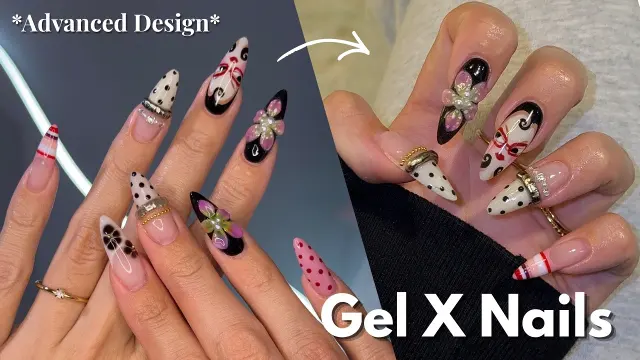
 Advanced Gel-X Nail Art Tutorial: Prep, Shaping and Design
#Nail Extensions
24 ideas
Advanced Gel-X Nail Art Tutorial: Prep, Shaping and Design
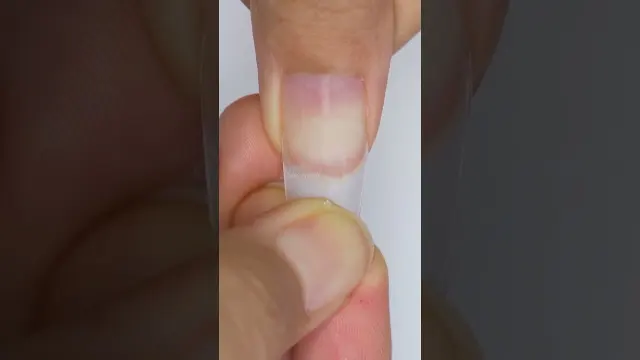 Easy DIY Nail Extensions Using Tips for Beginners
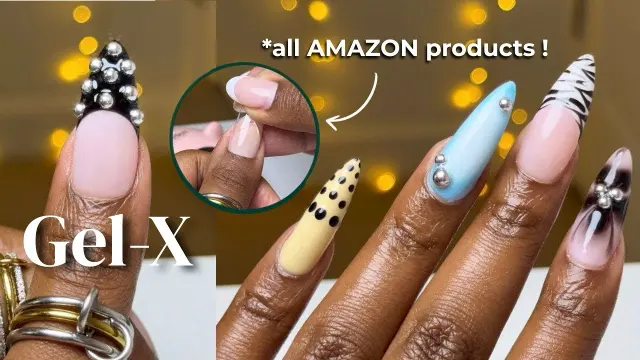 Master Gel-X Nails at Home with a Beginner Tutorial
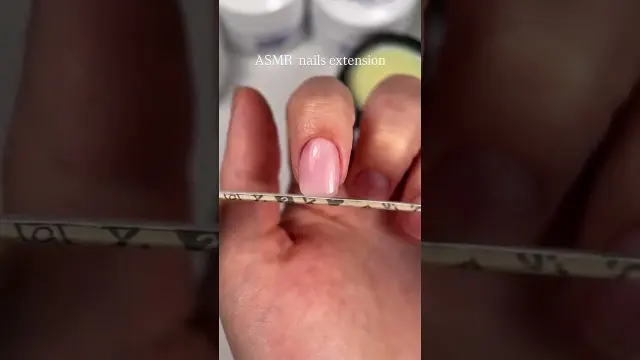 ASMR Natural Nail Extension Transformation with Base Gel
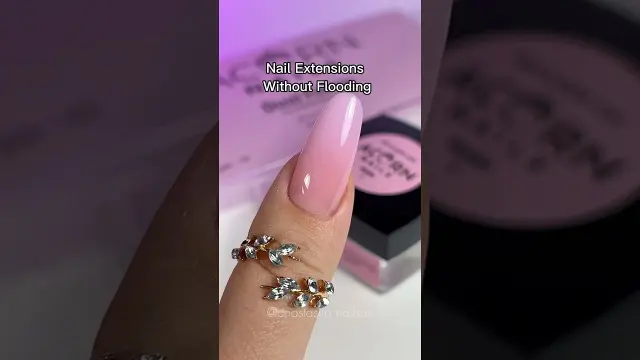 Mastering Clean Architecture with Dual Forms and Builder Gel
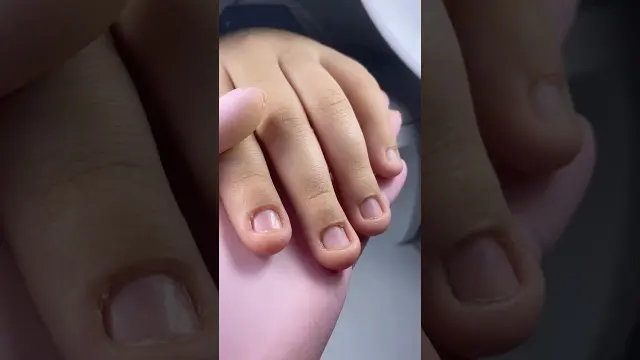 Complete Nail Extension Transformation on Short Nails
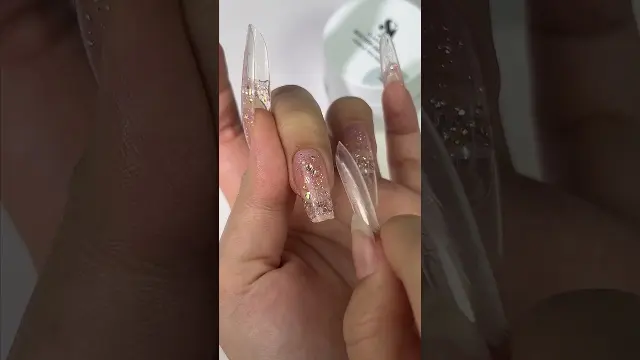 Achieving Perfect Nails with Self-Leveling Builder Gel
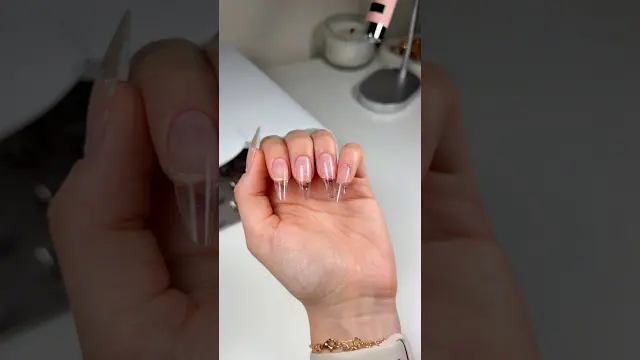 Quick and Satisfying Dual Form Gel Nail Extensions
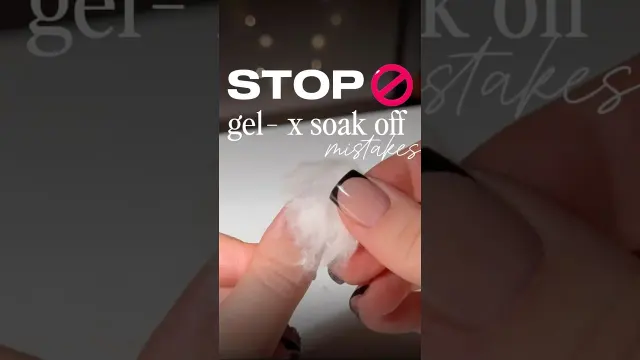 Four Common Mistakes to Avoid When Removing Gel-X Nails
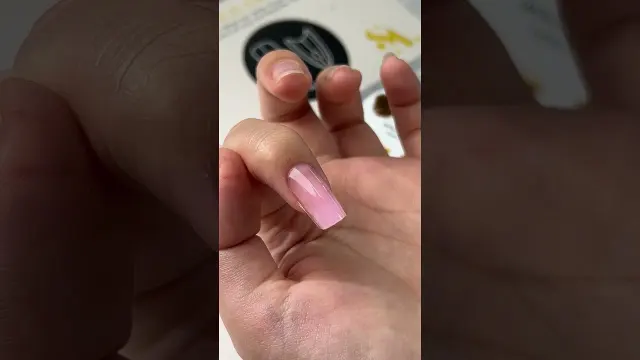 Using a Self-Leveling Builder Gel for Nail Extensions and Reinforcement
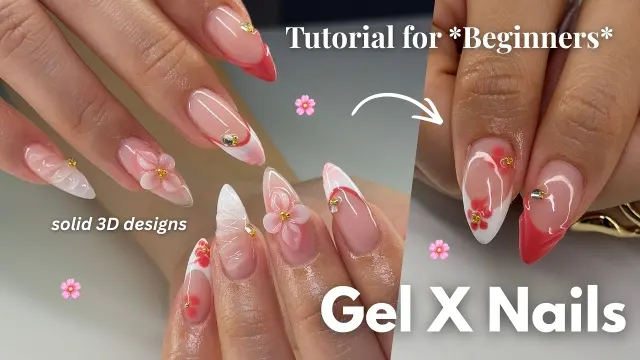 Step-by-Step Gel-X Nail Extension Application Tutorial
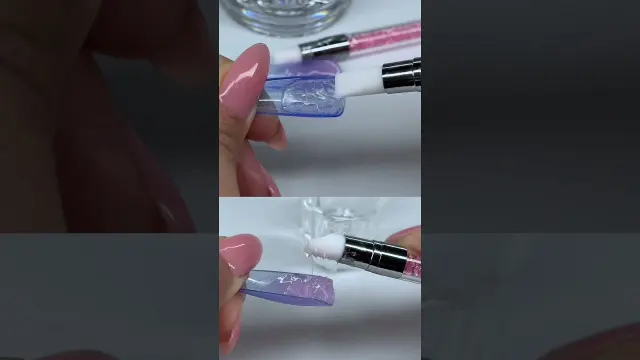 Creating Simple Nail Extensions Using Builder Gel
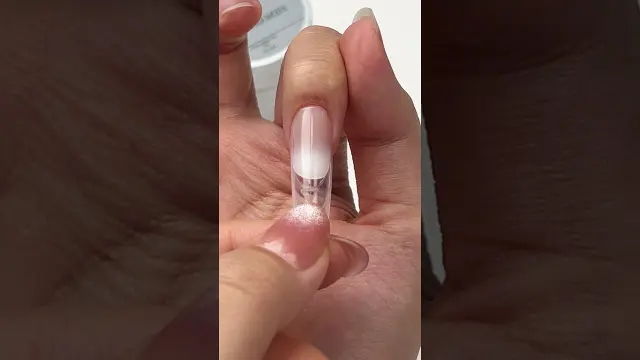 Strong Nail Extensions and Repair Using Hard Builder Gel
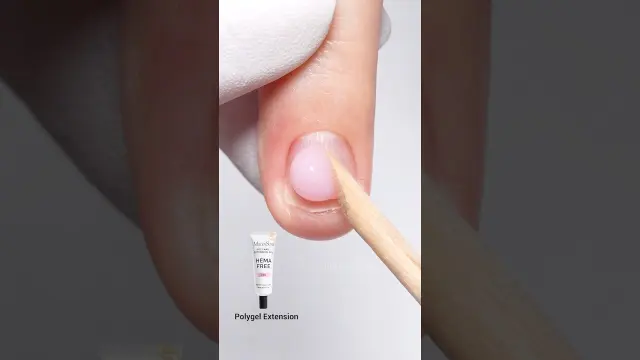 Short Nail Extensions and Poly Gel Tutorial for Bitten Nails
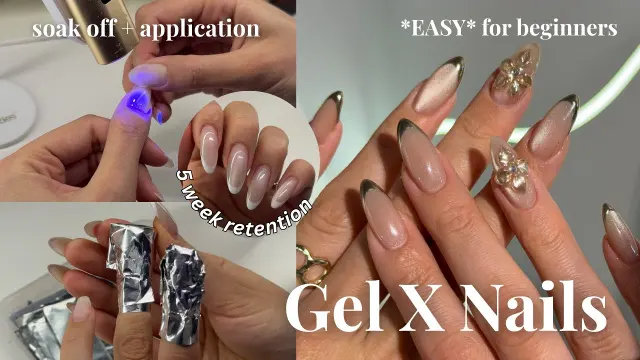 Complete Beginner Guide to Gel-X Nail Extensions
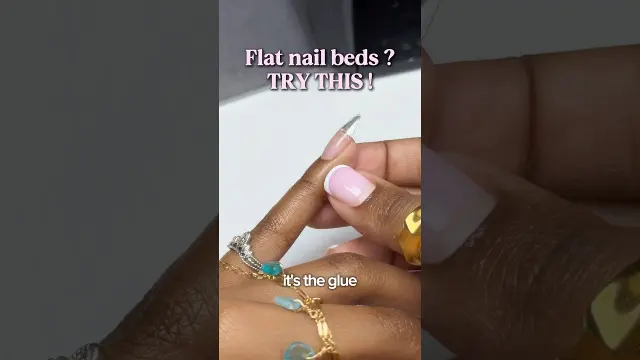 How to Apply Gel-X Nails Step-by-Step for Beginners
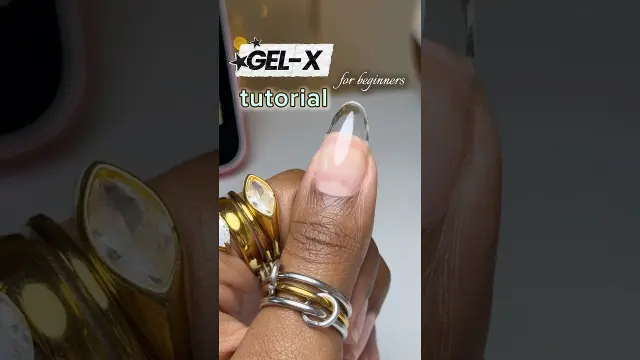 Essential prep steps to stop gel x nails from popping off
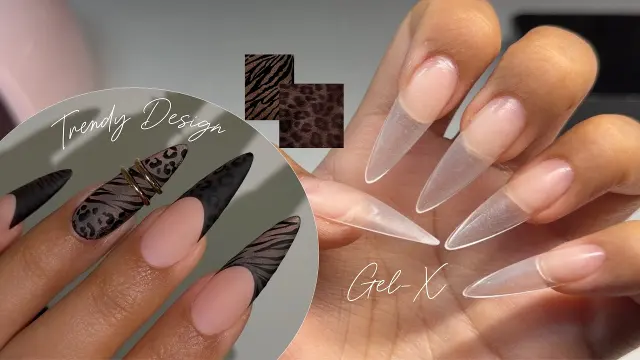 Gel-x nail extension tutorial with product breakdown
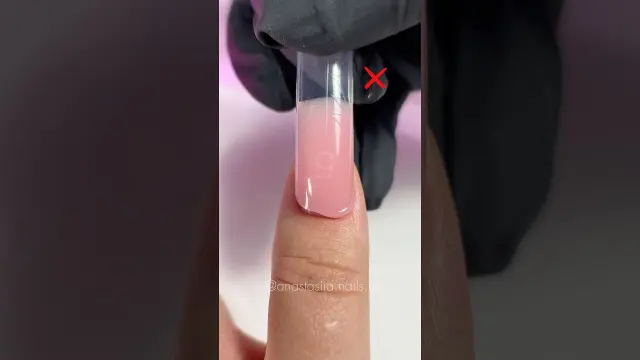 One press nail extension technique with builder gel
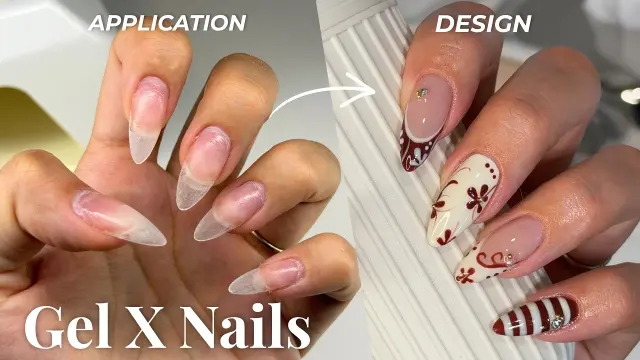 Professional gel x nail application tutorial
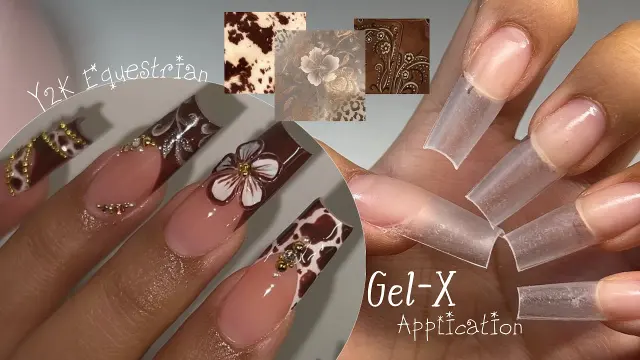 Step by step gel x nail application tutorial at home
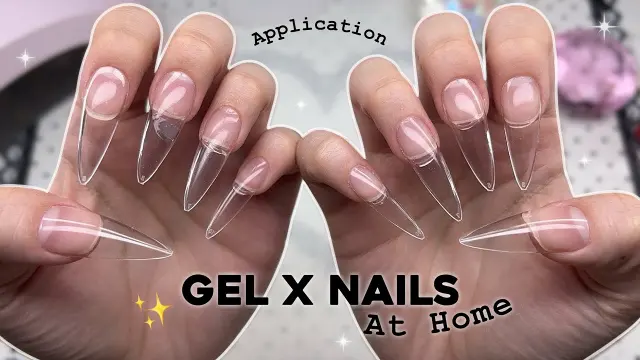 Beginner friendly gel x nail tutorial with pink art
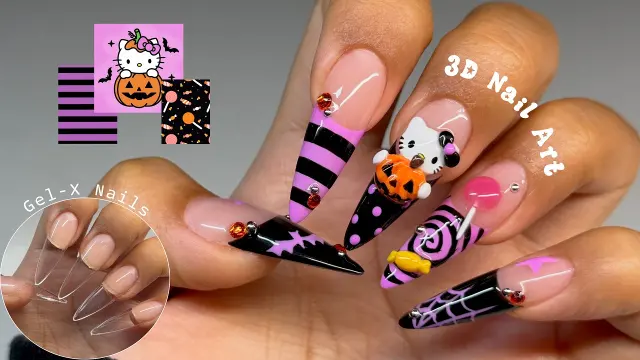 Detailed gel x nail extension application guide
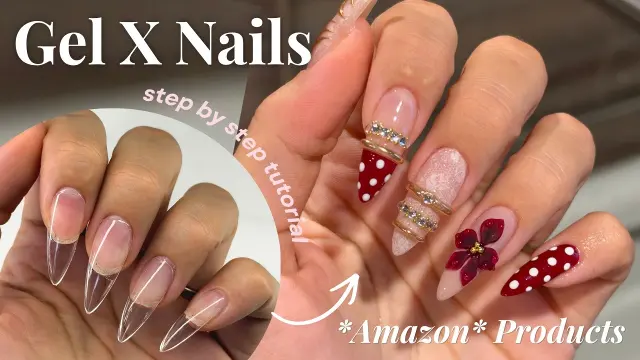 Professional Gel X Nail Application and Advanced Art Tutorial
Get new #Nail Extensions ideas by email
Every Thursday: the week's best ideas, with the newest from #Nail Extensions.
Collections
Related tags
Nail Extensions: Types, Styles and Care
Nail extensions are a way to add length, shape, and strength to natural nails. They have been used for decades in different forms, from sculpted enhancements to ready-made tips, and they remain popular because they can create a polished look quickly. Some people choose them for special occasions, while others use them as part of a regular beauty routine.
What nail extensions are
At their simplest, nail extensions are extra material placed over or beyond the natural nail to make it longer. They can be made from acrylic, gel, hard gel, polygel, or pre-shaped tips that are bonded to the nail. The goal is usually the same: to create a smooth, durable surface that can be shaped and finished in many ways.
Nail extensions can look very natural or quite dramatic. The final result depends on the length, shape, color, and finish you choose. Popular shapes include square, oval, almond, and coffin, but a soft rounded shape is often easier to wear if you are new to extensions.
Read more
Common types
There are several main kinds of nail extensions:
- Acrylic: a mixture that hardens into a firm layer and is known for strength
- Gel: a softer-looking enhancement that is usually cured under a lamp
- Hard gel or builder gel: used to build structure and add length or support
- Pre-formed tips: ready-made pieces attached to the nail, then refined
- Press-on nails: temporary extensions that can be applied without a salon visit
Each type has its own feel and maintenance needs. Some are better for long wear, while others are convenient for short-term use or changing styles often.
What to know before you try them
Healthy natural nails are the best base for any extension. If your nails are very thin, peeling, or irritated, it is sensible to give them a break and keep the area clean and cared for. Good preparation matters a lot: the natural nail should be clean, dry, and free of oils before application.
Extensions should also fit your lifestyle. If you use your hands a lot for work, house tasks, or hobbies, a shorter length may be more comfortable and practical. Longer nails can be beautiful, but they may take more care and can be easier to catch or break.
Care and maintenance
To help extensions last, treat them gently. Avoid using your nails as tools, and wear gloves for cleaning or other tasks that involve water and chemicals for long periods. Keep the cuticle area moisturized, but avoid heavy oils right before application because they can affect adhesion.
It is also important to watch for lifting, cracking, or pain. If an extension feels loose or uncomfortable, have it checked and removed safely if needed. Never pull or peel off enhancement material, because that can damage the natural nail underneath.
Choosing a style
If you are unsure where to start, choose a short-to-medium length and a shape close to your natural nail bed. That often gives the most balanced, wearable look. Neutral shades, soft pinks, or clear finishes can be elegant and easy to maintain, while color and decoration can be added once you know what suits you best.
Nail extensions can be a practical beauty choice as well as a creative one. With the right fit, careful application, and regular maintenance, they can help your hands look neat, styled, and well cared for.
#Nail Extensions: frequently asked questions
How do I start doing nail extensions at home?
Begin with a short-to-medium length and a shape close to your natural nail bed, which is more forgiving while you learn. Prep is the part that matters most: the natural nail should be clean, dry, and free of oils before anything is applied. Practicing with pre-shaped tips or press-ons first makes the process easier to get comfortable with.
What do I need to apply nail extensions?
You need the enhancement material itself, such as acrylic, gel, builder gel, or ready-made tips, along with a way to bond and cure it depending on the type. Basic shaping and finishing tools help you refine the surface once it is on. A clean, dry natural nail is the real starting point, so prep supplies are just as important as the product.
Which type of nail extension should I choose?
Acrylic is known for strength, gel gives a softer look and is usually cured under a lamp, and builder gel is used to build structure or add support. Pre-formed tips and press-ons are handy if you want something quicker or temporary. Pick based on how long you want to wear them and how much maintenance you are happy to do.
How do I take care of nail extensions so they last?
Treat them gently, avoid using your nails as tools, and wear gloves for cleaning or tasks involving water and chemicals for long periods. Keep the cuticle area moisturized, though skip heavy oils right before application since they can affect adhesion. Watch for lifting, cracking, or discomfort and have anything loose removed safely rather than pulling it off.
What are common mistakes to avoid with nail extensions?
The biggest one is peeling or pulling off the enhancement instead of having it removed properly, which can damage the natural nail underneath. Applying over nails that are oily or not fully dry is another frequent issue, since it weakens adhesion. Choosing a length that fights your daily routine also leads to catching and breaking.
Can I wear nail extensions if my natural nails are short or thin?
Yes, and extensions are often used exactly for that, including on short or bitten nails. If your nails are very thin, peeling, or irritated, it is sensible to give them a break and let the area stay clean and cared for first. A modest length and a shape close to your natural nail give the most balanced, wearable result.
Videos come from YouTube and posts from Instagram; titles and summaries are our own. All rights belong to their creators.