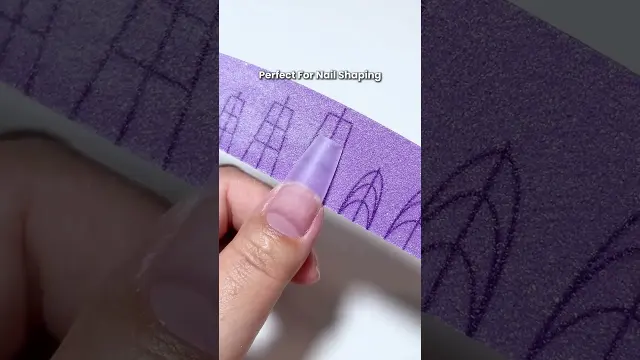
 Nail Beginner Must-Have Hand File with Nail Shape Guide
#Nail Tools
1 ideas
Nail Beginner Must-Have Hand File with Nail Shape Guide
Get new #Nail Tools ideas by email
Every Thursday: the week's best ideas, with the newest from #Nail Tools.
Related tags
Nail Tools: Essential Tools for a Neat Manicure
What nail tools are
Nail tools are the simple instruments used to shape, clean, prepare, and maintain fingernails and toenails. They are part of both everyday grooming and more detailed manicure and pedicure routines. Some tools are used at home for basic care, while others are familiar from salon work. Whatever the setting, the goal is the same: to keep nails neat, comfortable, and well cared for.
Good nail tools help you trim length, smooth edges, push back the skin around the nail, clean under the nail, and prepare the surface for polish or other finishes. If you are new to nail care, it helps to start with just a few reliable basics rather than collecting too many items at once.
Common types of nail tools
Read more
A basic nail kit often includes a nail clipper, a nail file, a cuticle tool, and a buffer. Each one has a different purpose.
- Nail clippers trim nails quickly and evenly.
- Nail files shape the edges and help smooth rough corners.
- Cuticle pushers are used to gently move the skin around the nail plate back after softening it.
- Buffers smooth the surface of the nail and can help remove ridges or shine, depending on the type.
- Nail brushes clean dirt from around and under the nails.
- Tweezers, scissors, and small manicure tools may also be included for more detailed grooming.
For toenails, sturdier clippers and files are often preferred because toenails are usually thicker. Some people also use specialized tools for ingrown nails or other concerns, but those should be handled carefully.
Materials and styles
Nail tools come in different materials and shapes. Metal tools are common because they are durable and easy to clean. Glass or crystal files are gentle and long-lasting, while emery board files are light and simple to use. Buffers may be made with different grit levels, which affect how much they smooth or polish the nail.
The best style for you depends on your nails and how you like to work. If your nails are soft or prone to splitting, a gentler file may be more comfortable. If you prefer quick maintenance, a sturdy clipper and a fine file may be enough.
How to use them well
For beginners, the main rule is to be gentle. Trim nails straight across if you want to reduce the chance of irritation, especially on toes. File in one direction or use short, controlled strokes to avoid rough edges. Soften the skin first if you are working around the cuticles, and never cut too deeply into the skin.
It is also important not to over-buff. A smooth nail surface is useful, but too much buffing can make nails feel thin or weak. If a tool feels sharp or uncomfortable, stop and adjust your technique rather than forcing it.
Care and cleanliness
Clean tools last longer and are safer to use. Wipe metal tools after each use and keep them dry. Replace worn files and buffers when they stop working well. If you share nail tools, clean them carefully between uses, and be especially cautious about any tool that touches skin.
With a few well-chosen nail tools and a steady hand, you can keep your nails looking tidy and well maintained without making the routine complicated.
#Nail Tools: frequently asked questions
How should a beginner start building a nail tool collection?
Start with the essentials — a clipper for length, a file for shaping, a cuticle pusher, and a buffer for smoothing — and learn to use those comfortably before adding anything else. Extra items can wait until a specific need comes up, since a small kit is easier to keep clean and to store. Picking up a tool only when you know what it is for tends to work better than buying a full set at once.
What do I actually need for basic nail care at home?
Most everyday upkeep comes down to trimming, shaping, tidying the skin around the nail, and smoothing the surface. A small brush for cleaning is a useful addition, and so is a buffer if your nails have visible ridges. Anything beyond that is detail rather than necessity, and you can add it later as your routine grows.
How do I choose the right file for my nails?
Glass and crystal files feel gentle and hold up over time, while emery boards are light, simple to handle, and easy to swap out when they wear down. If your nails are soft or tend to split, a gentler surface will feel more comfortable to work with. Choose based on how your nails behave and how much maintenance you want to do, not on how the tool looks.
What is the best way to keep nail tools clean and in good shape?
Wipe metal tools down after each use and store them dry, since damp storage dulls edges and shortens their life. Replace files and buffers once they stop working well rather than persisting with worn surfaces. If tools get shared, clean them carefully between uses, and be particularly attentive to anything that comes into contact with skin.
What mistakes do people make most often with nail tools?
The usual problem is being too heavy-handed: over-buffing until nails feel thin, cutting too deeply around the cuticle, or forcing a tool that feels sharp or awkward. Trim toenails straight across and file with short, controlled strokes to keep edges smooth. If something feels uncomfortable, the answer is to adjust your technique or stop, not to press harder.
Can I use the same tools on my fingernails and toenails?
You can, but toenails are usually thicker, so sturdier clippers and files tend to do a better job there. Many people simply keep hand tools and foot tools separate so each set suits the job and stays hygienic. If you do share them, clean the tools between uses.
Videos come from YouTube and posts from Instagram; titles and summaries are our own. All rights belong to their creators.