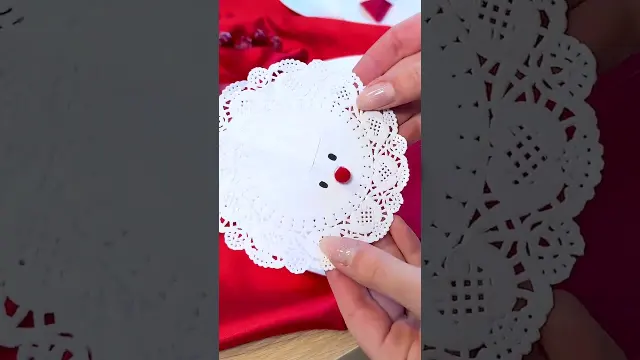
 Turn a Doily and Napkin Into a Santa Christmas Table Decoration
#Napkin Crafts
1 ideas
Turn a Doily and Napkin Into a Santa Christmas Table Decoration
Get new #Napkin Crafts ideas by email
Every Thursday: the week's best ideas, with the newest from #Napkin Crafts.
Related tags
Napkin Crafts: Folding, Printing and Simple Decorations
A napkin is one of the humblest things on a table, which is exactly why it works so well as a craft material. Paper napkins are cheap, plentiful and forgiving; cloth napkins are soft, sturdy and reusable. Between the two, they cover an unusually wide range of projects, from a folded shape set beside a plate to a printed piece of art framed on a wall.
What napkin crafts are
The term gathers several different hobbies under one roof. The largest is napkin folding, the art of turning a square of paper or linen into a stand-up shape: a fan, a cone, a pocket, a simple bird. A second family is napkin decoupage, often called napkin art, in which the thin printed top layer of a paper napkin is separated from its backing and glued onto a surface such as a candle, tile, wooden box or glass jar. A third is sewing and fabric work with cloth napkins, where they become bread bags, cushion covers, gift wraps or small pouches. And a fourth is straightforward paper craft: cutting, layering and weaving napkins into flowers, garlands, place cards and ornaments.
Where it comes from
Read more
Folding cloth at the table is an old habit. In European households of centuries past, a neatly folded napkin signalled the care taken over a meal, and elaborate folds were a mark of a well-run table. Decoupage has its own long history of gluing cut paper onto objects to decorate them, and the paper napkin, being thin and printed on one side only, turned out to be ideal for it. Both traditions survive because they need almost nothing: a flat surface, a pair of scissors, some glue.
Getting started
Beginners do best with folding, since it requires no materials beyond the napkins themselves. Choose a stiff paper napkin or a well-ironed cloth one; soft, floppy paper collapses under its own weight. Work on a clean, flat table, crease firmly with a fingernail or the back of a spoon, and learn three or four folds well rather than twenty badly. A fan, a cone and a simple pocket cover most table settings.
For decoupage, the key skill is separating the plies. Most printed napkins have two or three layers; only the printed top one is used. Peel it away slowly, tearing around a motif rather than cutting a hard edge, so it blends into the surface. Apply a thin layer of decoupage medium or diluted white glue, lay the paper down, and smooth it outward from the centre with a soft brush to push out air. Too much glue makes paper napkins dissolve; too little leaves them lifting at the corners.
Practical tips
- Test any glue or medium on a scrap of the same napkin first; colours can run.
- Keep hands dry when folding, or wear thin gloves with pale cloth.
- Cloth napkins are best washed and pressed before cutting or folding, so seams sit straight.
- Store finished paper pieces away from damp; napkins are absorbent and will spot.
- Children can join nearly every part of this craft, with help on sharp tools and glue.
What makes napkin crafts endure is the low cost of being wrong. A spoiled napkin costs almost nothing, so there is room to experiment, and the results are useful the same evening.
#Napkin Crafts: frequently asked questions
How do I get started with napkin crafts if I have never tried one before?
Start with folding, since it needs nothing but the napkins themselves and a clean, flat table. Pick a stiff paper napkin or a well-pressed cloth one, and learn a small handful of folds properly rather than rushing through many. Once your hands know a few shapes, moving on to decoupage or paper cutting feels much less intimidating.
What supplies do I actually need for napkin crafts?
For folding, napkins and a flat surface are enough, plus a fingernail or the back of a spoon for pressing crisp creases. Decoupage adds a soft brush and a decoupage medium or diluted white glue, while cutting and sewing projects need scissors, and a needle and thread for cloth. Nothing on the list is specialised, which is part of why the craft is so approachable.
Should I use paper or cloth napkins for a project?
Paper napkins suit decoupage and paper craft, because the printed top ply is thin enough to peel away and blend onto a surface. Cloth napkins are the better choice for folding that has to hold its shape, and for sewing projects like bread bags, pouches or gift wraps. A soft, floppy paper napkin will collapse under its own weight, so stiff paper or pressed linen is what you want.
How do I look after finished napkin crafts and cloth napkins?
Keep finished paper pieces away from damp, since napkins are absorbent and will spot or wrinkle in humid air. Cloth napkins should be washed and pressed before you cut or fold them so the seams sit straight, and pressing them again afterwards keeps the shape neat. A gentle hand wash and air drying helps decorated surfaces last longer.
What kind of occasions are napkin crafts good for?
They shine at the table: folded shapes beside each plate, printed motifs on candles or jars, and place cards or garlands for a party. Seasonal celebrations are a natural fit, and a themed piece made from a doily and a napkin can dress a holiday table beautifully. Because a spoiled napkin costs very little, you can practise freely before the day itself.
What mistakes do beginners make most often?
Using too much glue is the classic one, which makes thin paper dissolve, while too little leaves corners lifting, so aim for a thin, even layer and smooth outward from the centre. Rushing the separation of the napkin plies is another common slip; peel slowly and tear around the motif rather than cutting a hard edge. Also test any medium on a scrap first, since colours can run.
Videos come from YouTube and posts from Instagram; titles and summaries are our own. All rights belong to their creators.