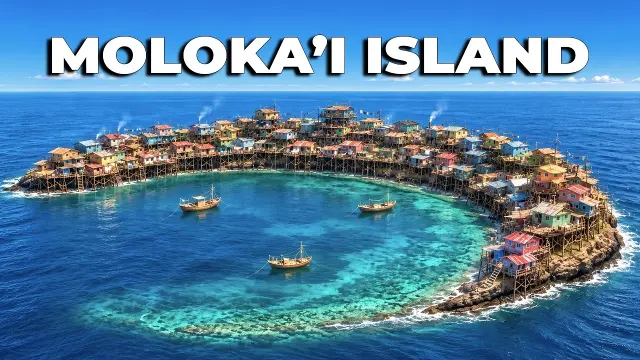
 Molokai Island in 4K: Daily Life in the Unseen Hawaii
#Native Hawaiian Culture
1 ideas
Molokai Island in 4K: Daily Life in the Unseen Hawaii
Get new #Native Hawaiian Culture ideas by email
Every Thursday: the week's best ideas, with the newest from #Native Hawaiian Culture.
Related tags
Native Hawaiian Culture: A Guide to Its Meaning
Native Hawaiian culture is the culture of the Kānaka Maoli, the Indigenous people of the Hawaiian archipelago. It took shape over many centuries of life on islands separated by open ocean, and it grew from Polynesian voyaging heritage: skilled navigators crossed the Pacific in double-hulled canoes, reading stars, swells, winds and birds to find and settle land. That inheritance of reading the natural world closely still runs through the culture today.
Values that hold it together
Much of Hawaiian life is organised around a few connected ideas. Aloha is often translated as love, but it also carries welcome, generosity and mutual regard. Aloha ʻāina, love of the land, treats the islands not as property but as kin and ancestor. Kuleana means responsibility, the rights and duties that come with belonging somewhere. ʻOhana, family, extends well beyond blood. Understanding these words helps you read almost everything else: a chant, a dance, a garden, a fishing practice.
Language
Read more
ʻŌlelo Hawaiʻi is a Polynesian language with a small sound system and a great deal of meaning carried in metaphor, chant and place names. The ʻokina marks a glottal stop; the kahakō is a long vowel. Both change meaning, so spelling matters. The language was suppressed for a period and is now taught in immersion schools and spoken again in many homes, which makes any effort you make with pronunciation a form of respect rather than a technicality.
Hula and mele
Hula is not a folk show. It is a system of recorded knowledge: genealogy, history, land, myth and emotion held in movement, gesture and chant. Hula kahiko, the older form, pairs chant with pahu drum and ipu; hula ʻauana is the more modern style accompanied by song and stringed instruments. Mele, song and chant, keeps moʻolelo, the stories and histories, alive. When hula is performed for visitors, the performers are usually students with teachers and lineages behind them.
Land, water and food
Two practices explain a great deal of Hawaiian life. Loʻi kalo, irrigated terraces for growing taro, produce the staple food pounded into poi, and taro is bound into genealogy and family identity. Loko iʻa, ancient fishponds, use walls and sluice gates to let small fish in and keep them until harvest, a form of aquaculture that works with tides rather than against them. Both depend on mālama ʻāina, caring for the land so it can care for people.
Crafts
Kapa, bark cloth beaten from plants and printed with carved stamps; featherwork using gathered feathers; and patchwork quilting, introduced through later contact and made entirely Hawaiian in its patterns. Lei-making uses flowers, seeds, shells and leaves, and a lei given is a relationship, not a souvenir.
If you are new to this
- Treat living culture as living: listen to Hawaiian voices first, and credit teachers and practitioners.
- Ask before you photograph, film or imitate. Not everything is meant to be shared outside its context.
- Learn the meaning of place names; they are maps of history and resources.
- Support local stewardship and buy from Native Hawaiian makers where you can.
Approach with curiosity and patience, and the culture will show you far more than its surface.
#Native Hawaiian Culture: frequently asked questions
How do I start learning about Native Hawaiian culture?
Start with the ideas that organize everything else: aloha, aloha ʻāina, kuleana and ʻohana, since these words unlock the meaning behind chant, dance, food and land practices. From there, follow Hawaiian voices — teachers, writers, and practitioners — rather than outside summaries, and pay attention to place names, which carry history and resource knowledge. Curiosity and patience will take you much further than a checklist.
What should I know before attending a hula performance?
Hula is a record of knowledge — genealogy, land, myth and emotion held in movement and chant — not a folk show staged for entertainment. The performers are typically students with teachers and lineages behind them, so watch attentively, hold applause until it's appropriate, and ask before photographing or filming. Knowing that hula kahiko pairs chant with drum and ipu while hula ʻauana is accompanied by song and stringed instruments helps you follow what you're seeing.
How do I choose the right lei for someone?
Lei can be made from flowers, seeds, shells or leaves, so choose based on what the moment calls for and what the recipient will wear it with, rather than on what looks most elaborate. Keep in mind that a lei given is a relationship rather than a souvenir, so the gesture of placing it matters more than the material. Buying from Native Hawaiian makers supports the craft and the community behind it.
How should I care for a lei after receiving one?
Treat a lei as something living for as long as it lasts: keep it cool and out of direct sun, and handle it gently by the stem or thread rather than crushing the blossoms. When the flowers or leaves begin to fade, it's traditional to return them to the land rather than leave them to wilt in a drawer or toss them in a bin. The care you give it reflects the relationship the gift represents.
What are common mistakes people make when approaching Hawaiian culture?
The most frequent mistake is treating a living culture as a performance or a theme — imitating hula movements, borrowing sacred designs, or assuming everything is meant to be shared outside its context. Another is ignoring the language: the ʻokina and kahakō change meaning, so spelling and pronunciation are a form of respect rather than a technicality. Asking before you photograph, film or imitate, and crediting teachers and practitioners, avoids most of the rest.
How can I bring Hawaiian cultural touches into a wedding or family celebration?
Lean on elements that carry real meaning and are meant to be shared: lei for the couple and guests, mele performed by people with a connection to the songs, and food rooted in local practice such as taro and dishes built around it. If you want hula, invite a halau rather than choreographing your own version, and let the teachers guide how it's presented. Sourcing from Native Hawaiian makers and supporting local stewardship keeps the celebration honest.
Videos come from YouTube and posts from Instagram; titles and summaries are our own. All rights belong to their creators.