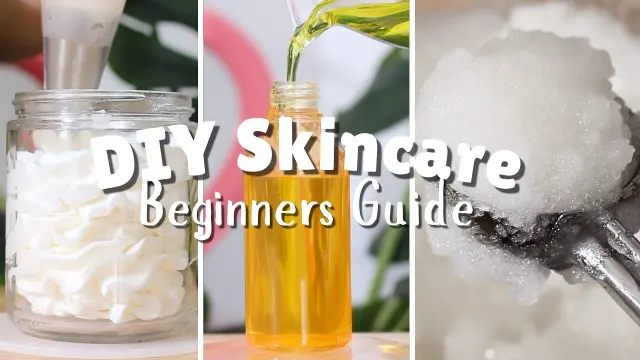
 Beginner Guide to Making Your Own Skincare Products
#Natural Cosmetics
1 ideas
Beginner Guide to Making Your Own Skincare Products
Get new #Natural Cosmetics ideas by email
Every Thursday: the week's best ideas, with the newest from #Natural Cosmetics.
Related tags
Natural Cosmetics: A Simple Guide to Going Natural
Natural cosmetics are products made for skin, hair and body care that rely mainly on ingredients drawn from plants, minerals and other materials found in nature rather than on synthetic chemistry. The idea is old rather than new: people have washed with clay, softened skin with pressed oils, coloured cheeks with berries and scented themselves with herbs for a very long time. What is modern is the packaging of that tradition into jars, balms and powders you can buy or make at home.
What "natural" actually means
The word is not used the same way everywhere, and in most places it is not strictly regulated. A product labelled natural may be almost entirely plant-based, or it may contain a few botanical extracts inside a fairly conventional formula. This is why the ingredient list matters more than the word on the front of the jar. Learn to read it from top to bottom: the first ingredients are the most abundant, and a botanical named near the end is present only in small amounts.
The main kinds of ingredients
Read more
- Carrier oils such as olive, almond, jojoba or coconut, used to soften and protect skin and hair.
- Butters and waxes, which give balms and creams their body and hold moisture in.
- Clays and mineral powders, for masks, cleansers and colour cosmetics.
- Floral waters and herbal infusions, which bring scent and a light watery base.
- Essential oils, used sparingly for fragrance and character, never applied neat to skin.
What beginners should know
Start simple. A cleanser, a moisturising oil and a balm cover most basic needs, and each one is easy to understand. Keep the number of ingredients small at first, so that if something does not suit you, you can tell what caused it. Test anything new on a small patch of skin and wait a day before using it more widely, especially if you have reacted to products before.
Anything that contains water, floral water or aloe juice needs proper preservation, because water invites microbes. This is the part home makers most often underestimate. If you want to mix water-based formulas, use a broad-spectrum preservative from a supplier who sells cosmetic ingredients, keep the product cool, and follow their guidance. Oil-only balms and serums are far more forgiving; give them a shelf life of a few months, keep them away from heat and light, and trust your nose and eyes if something changes.
Buying rather than making has its own checklist: look for short, legible ingredient lists, sensible packaging that protects the product from air and light, and a clear expiry date.
The practical pleasure of it
Natural cosmetics reward patience. They tend to smell like their ingredients rather than like perfume, they may separate or feel different from what you are used to, and they ask you to pay attention to how your skin responds. Take it slowly, keep notes on what works, and let your routine grow out of what you actually enjoy using.
#Natural Cosmetics: frequently asked questions
What does "natural" actually mean on a cosmetic label?
Very little on its own — the word is used loosely and is not regulated the same way everywhere, so a jar can range from almost entirely plant-based to a conventional formula with a few botanical extracts stirred in. The ingredient list tells you far more than the front of the package, since ingredients are ordered by how much of them the product contains. A botanical named near the bottom is there in a token amount, not as the star of the formula.
How should a complete beginner start making natural cosmetics at home?
Keep it small: a simple cleanser, a moisturising oil and a balm cover most everyday needs and are each easy to understand. Resist the urge to work with a long ingredient list at first, because if something disagrees with your skin you want to be able to tell what caused it. Patch-test anything new on a small area and give it time before using it more widely.
Which kinds of natural cosmetics are safer to make at home, and which need more care?
Oil-only things like balms and facial serums are the forgiving ones — they are easy to make, simple to store and change slowly. Anything containing water, floral water or aloe juice is a different matter, because water encourages microbes and needs a proper broad-spectrum preservative along with cool storage. That preservation step is the one home makers most often underestimate.
Should I make my own natural cosmetics or buy them?
Making gives you control and the pleasure of understanding exactly what you are putting on your skin, while buying saves time and comes with a formula someone else has already tested for stability. If you buy, judge by short and legible ingredient lists, packaging that shields the product from air and light, and a clear expiry date rather than by the word "natural" on the front. Many people do a bit of both.
What are the common mistakes people make with natural cosmetics?
The big ones are trusting the label over the ingredient list, trying to make water-based formulas without preservation, and starting with complicated recipes before knowing how their skin behaves. Applying essential oils neat instead of diluting them is another frequent slip. Expecting these products to look, smell and behave like conventional ones also leads people to give up on things that are working perfectly well.
How do I store natural cosmetics so they stay good?
Keep them away from heat and direct light, which speed up the breakdown of oils and make scents fade. Oil-based products are usually fine for a reasonable stretch if stored sensibly, but trust your senses — a change in smell, colour or texture means it is time to let it go. Label what you make with what went into it, so you can repeat the successes and learn from the rest.
Videos come from YouTube and posts from Instagram; titles and summaries are our own. All rights belong to their creators.