 Fast Review of Official USCIS 128 Civics Questions in Order
#Naturalization
26 ideas
Fast Review of Official USCIS 128 Civics Questions in Order
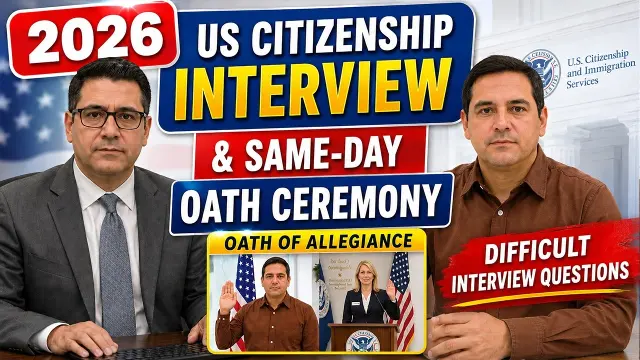 US Citizenship Interview and Same-Day Oath Ceremony
Get new #Naturalization ideas by email
Every Thursday: the week's best ideas, with the newest from #Naturalization.
Related tags
Naturalization: Becoming a Citizen
Naturalization is the legal process through which a person who was not born a citizen of a country becomes one. In many places, it is the route to citizenship for lawful permanent residents or other eligible immigrants who choose to make a new country their permanent home. The process exists to confirm identity, residence, language ability, knowledge of civic life, and willingness to follow the laws and responsibilities of citizenship.
What naturalization means
Naturalization is more than a formality. It usually marks the point at which a long period of residence, work, family life, and community ties becomes full civic membership. Citizens often gain the right to vote, hold a passport, and participate more fully in public life. At the same time, citizenship brings responsibilities such as obeying the law, serving on juries where required, and staying informed about civic duties.
Common requirements
Read more
The exact rules vary by country, but naturalization often involves some combination of these requirements:
- A lawful period of residence
- Good moral character or a clean legal record
- Knowledge of the country’s language, history, or government
- Evidence of steady residence and physical presence
- An oath of allegiance or loyalty
Some people may qualify through marriage, military service, family ties, or special provisions. If you are preparing to apply, it helps to check the current rules carefully and keep your records organized.
The usual steps
Naturalization often follows a fairly familiar path:
- Submit an application and supporting documents
- Give fingerprints or other identity information if required
- Attend an interview or appointment
- Take a civics or language test, if applicable
- Receive a decision
- Take the oath of citizenship
The interview and test are important parts of the process in many countries. They allow officials to confirm your eligibility and your understanding of basic civic knowledge. If you need to study, focus on the core facts about government, rights, duties, and the country’s history or institutions.
What beginners should know
If you are just starting, keep your approach simple and steady. Naturalization is usually easier when you prepare early and keep good records of addresses, travel, employment, and legal documents. Read instructions carefully, answer honestly, and ask for help if a form or requirement is unclear.
It is also wise to practice speaking and reading in the language used for the test, if one is required. For civics questions, short and clear answers are often best. You do not need to memorize complicated explanations if the process asks for basic facts.
Practical tips
- Gather documents before you apply
- Make copies of important records
- Review the eligibility rules in full
- Practice civics questions regularly
- Keep your contact information up to date
- Arrive early for appointments and bring what is requested
Naturalization can feel formal and demanding, but it is also a meaningful milestone. With careful preparation and patience, you can move through the process with more confidence and less stress.
Videos come from YouTube and posts from Instagram; titles and summaries are our own. All rights belong to their creators.