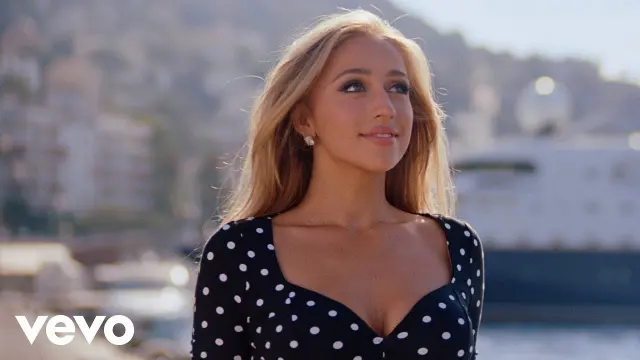
 Tate McRae Housewife Official Music Video and Release
#New Releases
1 ideas
Tate McRae Housewife Official Music Video and Release
Get new #New Releases ideas by email
Every Thursday: the week's best ideas, with the newest from #New Releases.
Related tags
New Releases: A Guide to What's Just Arrived
A new release is simply something made available to the public for the first time — an album, a book, a film, a game, a collection of clothing, a perfume, a piece of software. The phrase covers both the object and the moment: the day it stops being private work and starts being something anyone can have, watch, read or wear.
How a release actually happens
Most creative and commercial work follows a similar arc. It is finished, then announced, then shown in previews or samples, then published, and only afterwards reviewed, discussed and shared. Between those steps sit practical decisions: how much to make, in what formats, in which places, and on what date. A release can be global and simultaneous or staggered market by market, and the difference shapes who sees it first.
Some releases arrive quietly, with no announcement at all. Others are built up over months. Neither approach says much about quality — a quiet launch can carry a remarkable record, and a loud one can carry very little.
Read more
The main kinds you will meet
- Music: singles, EPs, albums, reissues, deluxe editions and live recordings.
- Books: hardback, paperback, translations, new editions of older titles.
- Screen: cinema runs, streaming premieres, series seasons, restorations.
- Design and home: seasonal collections, new colourways, limited runs.
- Beauty and craft: new formulas, new shades, new kits and materials.
Worth knowing: a reissue is not the same as a new work, and a "new edition" of a book may differ only in cover or foreword. Read the description rather than the label.
What beginners should keep in mind
First, separate novelty from relevance. Something released this week is not automatically better than something released ten years ago; the older thing has simply had time to be judged. Second, be suspicious of urgency. Limited runs and countdowns are real, but they are also a sales technique, and most things return.
Third, use your own shelf as a filter. If you have three unread books or unworn pieces, a fourth rarely changes anything. Buying less and choosing more carefully is a habit that survives every release calendar.
Practical tips
Follow the makers rather than the market — an artist, an author, a studio, a small workshop — and you will hear about things before the crowd does. Keep a short wishlist instead of buying on the day. Give yourself a pause of a few days; enthusiasm that lasts a week is a better signal than excitement that lasts an hour.
And when something new does catch you, write down what it was, the day you found it and what drew you in. In a year, those few lines will tell you more about your own taste than any best-of list.
#New Releases: frequently asked questions
What actually counts as a new release?
It is anything being made publicly available for the first time — a record, a book, a film, a game, a clothing collection, a fragrance, a piece of software. The phrase describes both the thing itself and the moment it stops being private work and becomes something anyone can have or experience. Reissues and fresh editions of older titles get grouped in too, though they are not new work.
How does a release usually get from finished to available?
There is a fairly consistent order: the work is completed, then announced, then shown in previews or samples, then published, and only after that reviewed and discussed. In between sit the practical calls about quantity, formats, markets and timing. Some launches are global and simultaneous, others roll out place by place, and that choice decides who encounters it first.
Which kind of release should I pay attention to?
That depends on what you already use and enjoy, not on which category makes the most noise. Music, books, screen work, design and home pieces, beauty and craft all follow the same pattern, and none is inherently more worth your time. Read the description rather than the label — a "new edition" may differ only in its cover or foreword.
Is something newly released better than an older equivalent?
Not automatically. Something released this week has not yet had time to be judged, while an older piece has had years of scrutiny and is still standing. Treat novelty and relevance as two separate questions and pick by the second one.
How do I keep up with releases without buying constantly?
Follow the makers rather than the market — an artist, an author, a studio, a small workshop — and news reaches you before it reaches the crowd. Keep a short wishlist and hold off for a few days instead of buying on the day; enthusiasm that survives a week is a far better signal than excitement that lasts an hour. Limited runs and countdowns are genuine, but they are also a sales technique, and most things come back.
What mistakes do people make with new releases?
The common ones are confusing urgency with value and letting a shelf already full of unread or unworn things grow by one more. Buying less and choosing more carefully is the habit that outlasts any release calendar. It also helps to jot down what caught your eye and why, since those notes eventually teach you more about your own taste than any best-of list.
Videos come from YouTube and posts from Instagram; titles and summaries are our own. All rights belong to their creators.