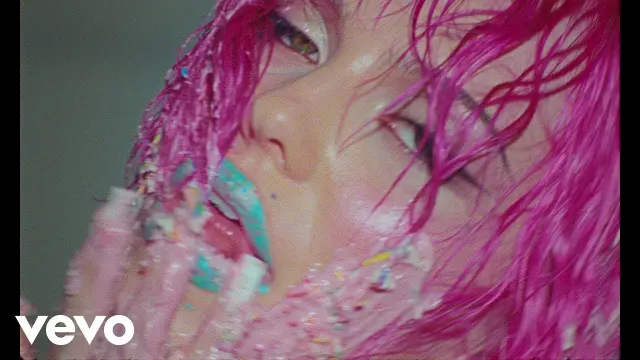
 ADÉLA Performing Nicole Kidman Official Music Video Release
#Pop Artist
2 ideas
ADÉLA Performing Nicole Kidman Official Music Video Release
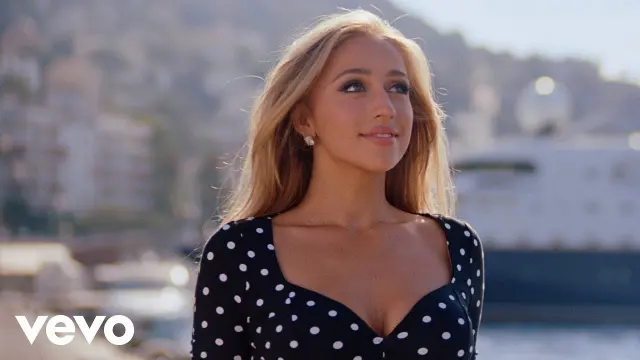 Tate McRae Housewife Official Music Video and Release
Get new #Pop Artist ideas by email
Every Thursday: the week's best ideas, with the newest from #Pop Artist.
Related tags
Pop Artist: A Guide to the Making of a Pop Performer
A pop artist is a musician who writes, records and performs popular music — songs built to be heard widely, remembered quickly and enjoyed in company. The term covers both the creative side (songwriting, arrangement, recording) and the public one (singing, dancing, presenting a persona on stage and on screen). Some pop artists do all of it; most work with a team of writers, producers, musicians and stylists. Understanding that collaboration is the first step to understanding the craft.
Where it comes from
Popular music has existed as long as music has been sold, but the modern pop artist took shape through the twentieth century, as recording, radio and later music video turned performers into household figures. The form borrows constantly: from folk and blues, from theatre and dance halls, from gospel, jazz, country and, in recent decades, from hip-hop and electronic music. What makes it "pop" is not a single sound but a relationship with an audience — directness, repetition, a hook that arrives early and stays.
The main kinds
Read more
Pop is a family rather than a genre. Within it you will find dance-pop built on rhythm and movement, synth-led pop, guitar-driven pop-rock, soulful and R&B-inflected pop, folk-leaning singer-songwriter work, and the theatrical, image-heavy styles that live as much in visual performance as in sound. Many artists move between these freely, and the boundaries are deliberately porous.
The skills involved
Three things sit at the centre of the work. The first is songcraft: melody, structure and lyric, especially the chorus. The second is voice — not necessarily a large voice, but a controlled, identifiable one. The third is presence: the ability to hold a stage, a camera or a screen. Dance, styling and video are part of the same vocabulary for many pop artists, though plenty succeed on voice and song alone.
If you are starting out
Learn the fundamentals before worrying about image. Train your ear — sing in tune, keep time, recognise chord changes and song forms. Write often and finish things, even imperfect ones; a hundred completed drafts teach more than one polished attempt. Record yourself simply and listen back honestly.
Study the songs you love by taking them apart: where does the chorus arrive, what does the bass do, why does that line stick? Then practise performing, because a song lives differently in front of people. Start small — a room, an open stage, a short video — and get used to being watched.
Protect your voice and your hearing, warm up before you sing, and take rest seriously. Be careful with your image and your privacy online, and read any agreement before you sign it; if you can, get advice from someone who understands the business.
Finally, be patient with development. Audiences respond to clarity and honesty more than to polish, and a distinctive point of view takes years to sharpen. Learn the rules of the form thoroughly, then find the one thing only you would do with them.
#Pop Artist: frequently asked questions
How do I actually start out as a pop artist?
Begin with the fundamentals rather than the look: learn to sing in tune, keep steady time, and hear chord changes and song forms. Write constantly and finish what you start, because completing many rough songs teaches faster than polishing one. Perform wherever you can — a small room, an open stage, a short video — so that being watched becomes normal.
Which skills matter most if I want to do this seriously?
Three things sit at the centre: songcraft (melody, structure, and above all a chorus that lands), a controlled and recognisable voice, and presence in front of a stage or camera. Dance, styling and video help many artists, but plenty build a career on song and voice alone. Pick the combination that feels honest for you rather than copying someone else's set of strengths.
How do I choose which kind of pop to make?
Pop is a family rather than a single genre, spanning rhythm-driven dance styles, synth-led material, guitar-based pop, soulful and R&B-leaning work, folk-flavoured songwriting, and image-heavy theatrical styles. Rather than choosing a category in the abstract, notice what you naturally sing and move to, then borrow freely across boundaries. The artists who endure usually blend familiar forms with one thing that is distinctly theirs.
What's the best way to look after my voice and hearing while I'm learning?
Warm up before you sing, rest between sessions, and treat recovery as part of the work rather than a luxury. Be mindful of volume — in rehearsal rooms, in headphones, and at shows — since listening and singing both depend on habits built early. If something hurts or persists, stop and get proper advice from a qualified professional rather than pushing through.
How do I prepare for my first live performance?
Rehearse the songs in the order you'll actually perform them, and practise the parts between songs as well — introductions, pauses, recovery from mistakes. Play to a small audience first and record it so you can watch yourself honestly. Aim for clarity and directness; people respond to someone who means it far more than to a flawless routine.
What mistakes do people new to pop music most often make?
The commonest is chasing an image before the craft is there, which leaves nothing for an audience to hold on to. Another is starting dozens of songs and finishing none, or studying idols without ever taking their songs apart to see how they work. Before signing anything or committing to a deal, read the agreement carefully and get guidance from someone who knows the business.
Videos come from YouTube and posts from Instagram; titles and summaries are our own. All rights belong to their creators.