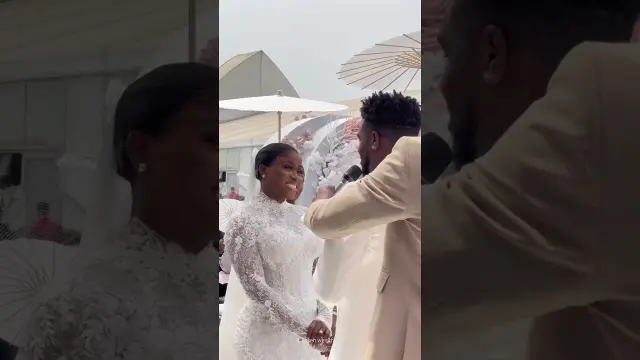
 Top Nigerian Celebrity Weddings and Fashion
#Nigerian Wedding
2 ideas
Top Nigerian Celebrity Weddings and Fashion
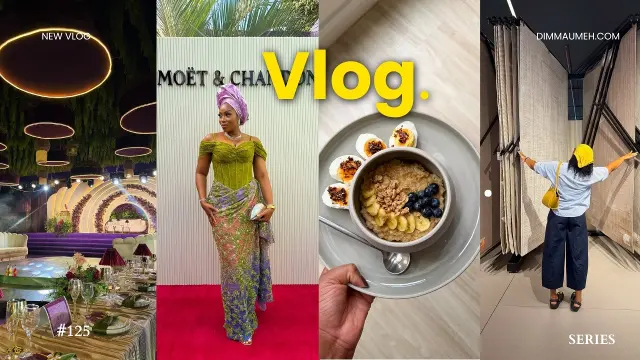 Traditional Nigerian Wedding and Morning Prep Vlog
Get new #Nigerian Wedding ideas by email
Every Thursday: the week's best ideas, with the newest from #Nigerian Wedding.
Related tags
Nigerian Wedding Traditions and Style Guide
What a Nigerian wedding is
A Nigerian wedding is a joyful celebration of marriage shaped by family, community, faith, and regional traditions. Nigeria is home to many ethnic groups, so wedding customs can vary widely from one culture to another. Some celebrations focus on a traditional ceremony, some include a civil or religious service, and many couples choose to celebrate several parts together.
At the heart of it all is the joining of two families, not just two people. That is why Nigerian weddings often feel lively, deeply social, and richly symbolic. They usually bring together elders, relatives, friends, and neighbours in a way that makes the day feel both formal and festive.
Traditional customs and ceremonies
Read more
Traditional Nigerian weddings differ across cultures, but many share a few common elements. There is often a formal introduction of families, blessing from elders, exchange of gifts, and speeches or prayers. In some communities, the groom’s family presents items to the bride’s family as a sign of respect and intent.
The bride price, sometimes called a marriage list in some contexts, is part of many traditional weddings. Its meaning and form vary by culture, and it is best understood as a cultural custom rather than a fixed formula. If you are planning a wedding, it helps to ask the families what is expected in your specific tradition.
Many couples also include a church, mosque, or civil ceremony. That can make the day long, but it also allows the wedding to reflect both family heritage and personal faith.
Clothing and style
Nigerian wedding fashion is known for colour, texture, and elegance. Traditional outfits often feature richly woven or embroidered fabrics, coordinated colours, and careful styling. Brides may wear a wrapper or gown with a head tie, while grooms often wear traditional robes, tunics, caps, or matching ensembles.
One popular feature is the idea of a coordinated family or bridal party look. Matching colours help create a unified appearance in photos and at the celebration. Accessories also matter, from beads and jewellery to headwraps and shoes.
When choosing attire, comfort is important. You may be wearing your outfit for many hours, so it helps to think about movement, heat, and ease of sitting, greeting guests, and dancing.
Food, music, and celebration
Food is a major part of the experience. Nigerian weddings often include generous meals, small bites, drinks, and cake. The menu may reflect family background, local customs, and the hosts’ preferences. Sharing food is a sign of hospitality and celebration.
Music and dancing are equally important. Drumming, singing, and dancing often bring energy to the ceremony and reception. Guests may take part in processions, greetings, or dances that honour the couple and their families.
Practical tips for planning
- Start by learning the customs that matter to both families.
- Decide early which parts of the wedding are traditional, religious, or civil.
- Leave enough time for outfit changes if you plan multiple ceremonies.
- Keep the guest list and schedule realistic, since Nigerian weddings can grow quickly.
- Plan for speeches, blessings, and family introductions so elders feel included.
- Choose food and music that suit the tone of the day and your guests.
A Nigerian wedding is both a celebration and a cultural expression. When you understand the traditions behind it, the day becomes even more meaningful.
Videos come from YouTube and posts from Instagram; titles and summaries are our own. All rights belong to their creators.