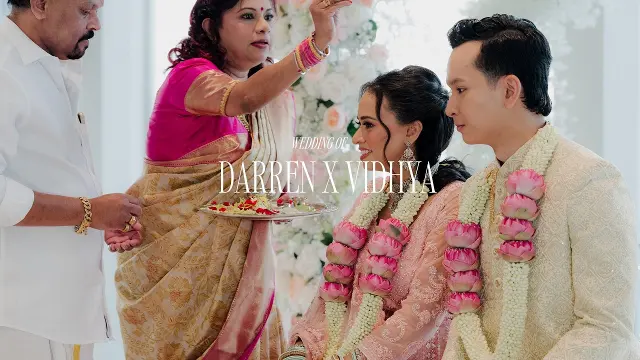
 Singapore Mixed Chinese and Indian Wedding Highlights
#Nikah
1 ideas
Singapore Mixed Chinese and Indian Wedding Highlights
Get new #Nikah ideas by email
Every Thursday: the week's best ideas, with the newest from #Nikah.
Related tags
Nikah: The Islamic Marriage Ceremony
Nikah is the Islamic marriage contract and the core legal and religious step in a Muslim wedding. It is a solemn agreement between two people, witnessed and conducted according to Islamic principles, and it marks the start of married life. While celebrations around nikah vary widely across cultures, the central meaning stays the same: commitment, consent, and responsibility.
What nikah means
In Arabic, nikah refers to marriage itself. In practice, it is more than a celebration. It is a contract that gives the relationship a clear religious and social framework. Consent from both partners is essential, and the ceremony is usually led by an imam or another qualified officiant, though customs differ from place to place.
Nikah is often followed by a reception or wedding celebration, but the contract itself is the heart of the occasion. Some couples keep the ceremony simple and intimate, while others include larger family gatherings, music, food, and traditional dress.
Read more
Common parts of the ceremony
The exact format of nikah can vary by culture and community, but several elements are widely recognized:
- Offer and acceptance: the marriage is entered into openly and willingly.
- Witnesses: the contract is typically made in front of witnesses.
- Mahr: this is the gift or marital settlement agreed upon for the bride, in keeping with Islamic practice.
- Prayer or blessing: many ceremonies include a short prayer or religious reminder about marriage, kindness, and mutual respect.
In many families, the nikah is a chance to bring relatives together and honor both faith and heritage. You may see different languages, clothing styles, and traditions depending on whether the family has roots in South Asia, the Middle East, Africa, Southeast Asia, or elsewhere.
Styles and cultural variations
Nikah is not a single fixed ceremony. It can be formal or simple, private or elaborate. Some couples choose a separate venue, while others hold the ceremony at home or in a mosque. Decorations, clothing, food, and music are shaped by family tradition rather than by the religious contract itself.
You may also hear different names for related events, such as the walima, which is the wedding feast traditionally hosted after the marriage. This is separate from the nikah, though it is often closely connected in family celebrations.
What to know if you are preparing for one
If you are planning or attending a nikah, it helps to remember that the ceremony is both spiritual and practical. Make sure the couple understands the requirements of their community, including any documents or witnesses needed. If you are a guest, dress modestly unless the hosts say otherwise, and follow the tone of the event, whether it is formal, joyful, or very simple.
For couples, clear communication matters. Talk openly about expectations, family involvement, and the meaning of the mahr and ceremony itself. A nikah is not only a wedding day event; it is the beginning of a shared life built on agreement, respect, and care.
#Nikah: frequently asked questions
How do we begin planning a nikah?
Start by talking with a qualified officiant and with both families about what your community expects, since the ceremony is both religious and practical. Confirm who will lead it, where it will take place, and which documents or witnesses are required locally. Once those basics are settled, the celebration itself, from dress to food, can be shaped around your budget and traditions.
What is actually required for a nikah to be valid?
The essentials are the willing consent of both partners, a clear offer and acceptance made openly, and the presence of witnesses. A mahr, the gift or settlement agreed upon for the bride, is also part of the agreement, along with an officiant to conduct it. Customs differ between communities, so check the specifics with your imam or local authority rather than relying on assumptions.
Should we have a simple ceremony or a large celebration?
Neither is more correct, because the religious contract is the heart of the occasion and the scale of the celebration is a matter of family tradition and preference. Many couples hold an intimate nikah at home or in a mosque and follow it later with a bigger gathering. Decide what feels honest for you, and be clear with relatives so expectations stay aligned.
What is the difference between nikah and walima?
Nikah is the marriage contract itself, the step that makes the couple married in religious terms. Walima is the wedding feast traditionally hosted after the marriage, and it is a separate celebration rather than a requirement of the contract. Families often treat the two as one continuous event, which is why the names sometimes get used loosely.
What should a guest wear and how should they behave at a nikah?
Dress modestly and follow the tone the hosts set, whether that means formal attire or something quiet and simple. The ceremony often includes a short prayer or reminder about kindness and mutual respect, so listen and follow along as the family does. When in doubt, ask the hosts directly instead of guessing.
What do couples most often overlook when preparing?
The most common gap is communication: expectations about family involvement, the meaning of the mahr, and how the day should feel are often assumed rather than discussed. Couples also sometimes treat the nikah as only a wedding-day event instead of the start of a shared life with ongoing responsibilities. Talk openly beforehand, and involve your families in the conversation rather than after the decisions are made.
Videos come from YouTube and posts from Instagram; titles and summaries are our own. All rights belong to their creators.