 Smooth Noir Jazz for Relaxed Evenings and Inner Calm
#Noir Jazz
6 ideas
Smooth Noir Jazz for Relaxed Evenings and Inner Calm
 Slow and Smoky 1940s Vintage Noir Jazz for Quiet Nights
 Slow and Smoky Vintage Noir Jazz for Late Night Listening
 Vintage Noir Jazz for Midnight Roadtrips and Art Deco Lounge
 Vintage Noir Jazz for Late Night Relaxation and Quiet Evenings
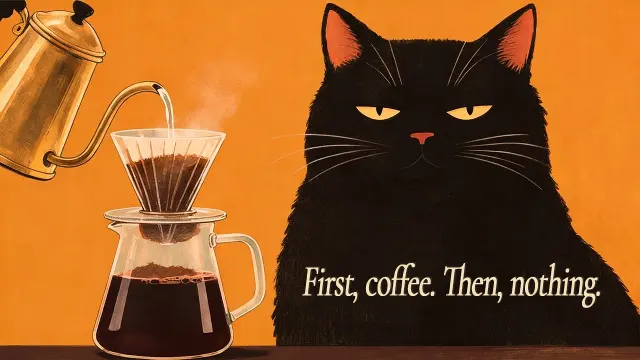 Dark Vintage Noir Jazz for Slow Mornings and Quiet Coffee
Get new #Noir Jazz ideas by email
Every Thursday: the week's best ideas, with the newest from #Noir Jazz.
Related tags
Noir Jazz: Smoky, Cinematic Night Music
What noir jazz is
Noir jazz is a moody, atmospheric style of jazz that draws on the feeling of old crime films, dimly lit bars, and late-night city streets. The word “noir” suggests shadow, mystery, and restraint, and that mood is part of what gives this music its character. It is not one strict genre with fixed rules, but rather a way of playing and arranging jazz so it feels dark, elegant, and intimate.
At its heart, noir jazz is still jazz: it may use swing, blues, cool jazz, bebop, or torch-song phrasing. What makes it feel “noir” is the combination of slow or medium tempos, soft dynamics, brushed drums, walking bass, minor harmonies, and a sense of space. The result is music that can feel cinematic without needing to be dramatic.
Where the style comes from
Read more
Noir jazz grew out of the broader jazz traditions of the early and mid-20th century, especially the sounds associated with clubs, after-hours sessions, and film scores. It is closely linked in mood to film noir, the visual style known for shadows, suspense, and urban loneliness. Jazz was often used in that world because it could express sophistication, tension, longing, and calm all at once.
Over time, people began to use “noir jazz” as a descriptive label for recordings and playlists that share this dark, polished atmosphere. It can include vocal jazz, instrumental standards, muted trumpet lines, smoky saxophone melodies, and sparse piano playing.
Common qualities and styles
Noir jazz can take many forms, but it often includes some of these features:
- Low-key, nighttime mood
- Slow or relaxed tempo
- Minor keys or blues-inflected harmony
- Soft brass, especially muted trumpet or mellow saxophone
- Brushes on drums rather than heavy percussion
- Piano lines that feel sparse, graceful, or reflective
- Vocal styles that sound intimate, cool, or wistful
Some versions lean more toward classic swing, while others feel more minimal and modern. Some are smooth and romantic; others are darker and more mysterious. You can think of noir jazz as a mood rather than a fixed rulebook.
How to listen and enjoy it
Noir jazz works well when you want music that supports a quiet atmosphere without demanding too much attention. It can suit a slow morning, a solitary evening, a relaxed dinner, or a reflective moment at the end of the day. Many people also like it for reading, working softly, or simply creating a calm room tone.
If you are new to the style, start by listening for texture and atmosphere rather than searching for one “correct” sound. Notice how the instruments leave space between notes, how the rhythm moves gently forward, and how the melody can feel both smooth and slightly melancholy.
Tips for exploring noir jazz
- Try a mix of instrumental and vocal tracks to see which mood speaks to you more.
- Listen in a quiet room, where the subtle details are easier to hear.
- Pay attention to the bass and drums, which often shape the sense of late-night movement.
- Look for arrangements that balance elegance with restraint.
- If a piece feels cinematic, intimate, and a little shadowed, it likely belongs in the noir jazz mood.
Noir jazz is appealing because it feels timeless. It offers warmth without brightness, sophistication without fuss, and emotion without excess.
Videos come from YouTube and posts from Instagram; titles and summaries are our own. All rights belong to their creators.