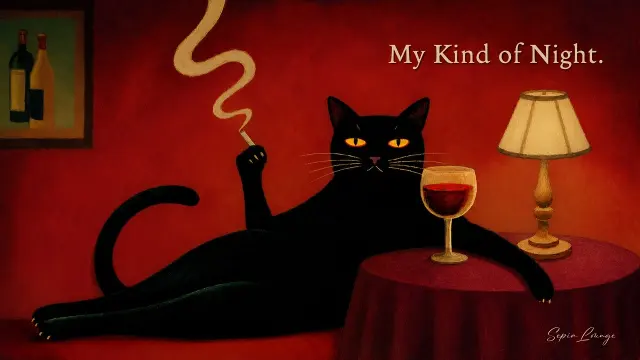
 Slow and Smoky 1940s Vintage Noir Jazz for Quiet Nights
#Vintage Jazz
4 ideas
Slow and Smoky 1940s Vintage Noir Jazz for Quiet Nights
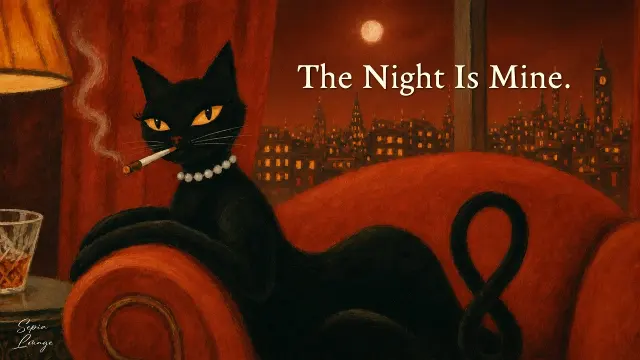 Slow and Smoky Vintage Noir Jazz for Late Night Listening
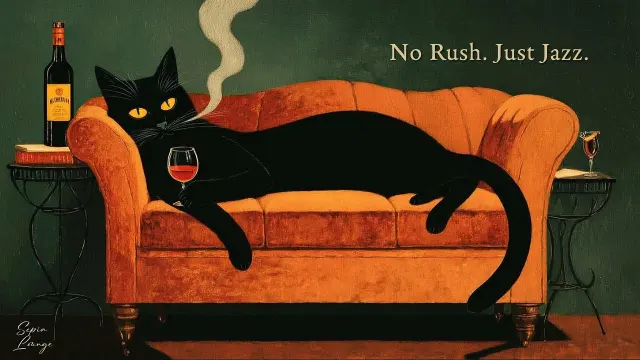 Vintage Noir Jazz for Late Night Relaxation and Quiet Evenings
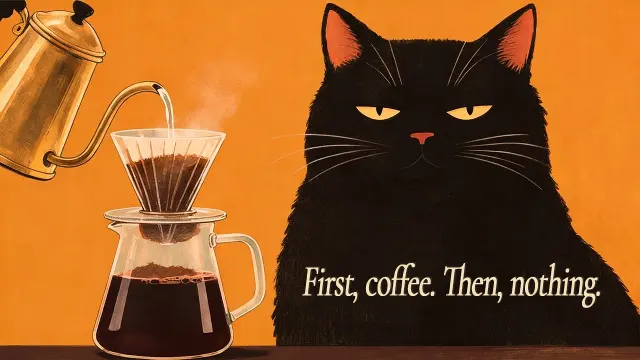 Dark Vintage Noir Jazz for Slow Mornings and Quiet Coffee
Get new #Vintage Jazz ideas by email
Every Thursday: the week's best ideas, with the newest from #Vintage Jazz.
Related tags
Vintage Jazz: Style, Sound, and Listening Guide
Vintage jazz is a broad way of describing the early and mid-century jazz sound that still feels timeless today. It brings together many related styles shaped by improvisation, rhythm, and a strong sense of personality. For many listeners, vintage jazz suggests small ensembles, rich brass, brushed drums, upright bass, piano, and melodies that can feel playful, smoky, elegant, or reflective.
What vintage jazz means
Jazz developed in the United States from African American musical traditions, blending elements of blues, ragtime, spirituals, marching band music, and later influences from popular song and dance music. “Vintage” usually refers to the classic eras of jazz, when the music was recorded in its early forms and when many of its best-known styles were established. It can include early New Orleans jazz, swing, big band music, bebop, cool jazz, and intimate vocal jazz, depending on the mood and the recording.
What ties these styles together is not one exact sound, but a way of playing that leaves room for improvisation, phrasing, and interaction between musicians.
Read more
Common styles you may hear
If you are new to vintage jazz, it helps to know a few broad styles.
- New Orleans and traditional jazz often sound lively, collective, and horn-led.
- Swing tends to be rhythmically buoyant and dance-friendly, with a clear pulse.
- Big band jazz uses larger groups and can feel bold, polished, and expansive.
- Bebop is faster, more intricate, and centered on improvisation.
- Cool jazz is softer, more relaxed, and often more restrained in tone.
- Vocal jazz brings the voice forward, often with a conversational, intimate feel.
You may also encounter darker, more atmospheric recordings that are sometimes called noir jazz or late-night jazz. These usually lean into moody harmonies, slower tempos, and a smoky mood rather than bright, danceable energy.
How to listen and appreciate it
Vintage jazz rewards repeated listening. The first thing to notice is the rhythm section: bass, drums, piano, or guitar often create the feeling of movement beneath the melody. Then listen for the soloist’s phrasing. In jazz, notes are only part of the story; timing, pauses, and tone matter just as much.
Improvisation is central. A musician may state a melody and then reshape it in the moment, making each performance slightly different. That is part of the appeal: the music feels alive, even in older recordings.
Tips for beginners
Start with a mood that suits your day. If you want energy, choose swing or big band. If you want something softer, try cool jazz or a small vocal group. If you enjoy atmospheric background listening, explore slower, smoke-filled arrangements and piano-led sessions.
You do not need to understand every term to enjoy the music. Let your ear follow the texture, the interplay between instruments, and the feeling the piece creates. Over time, you will begin to notice recurring patterns, favorite instruments, and the differences between styles.
Vintage jazz has lasted because it balances structure and freedom. It can be lively or tender, simple on the surface and richly detailed underneath.
Videos come from YouTube and posts from Instagram; titles and summaries are our own. All rights belong to their creators.