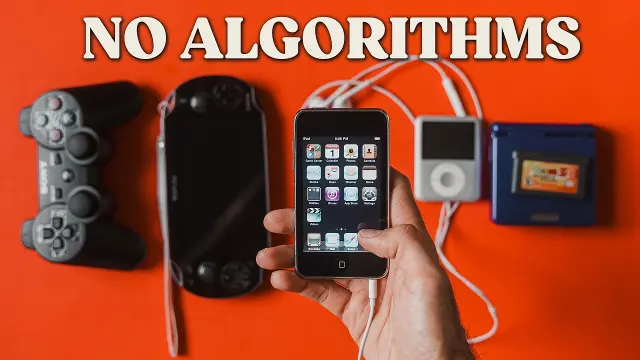
 Why People Are Embracing Retro Tech Today
#Nostalgia
11 ideas
Why People Are Embracing Retro Tech Today
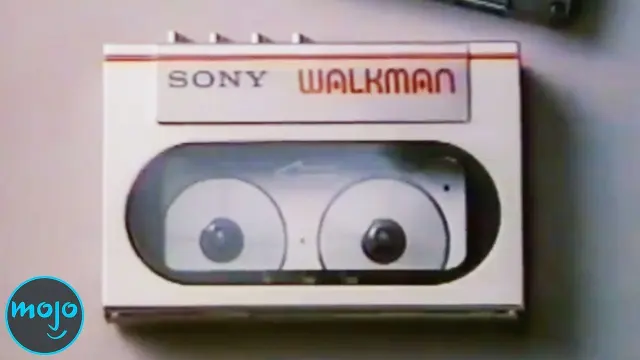 Top Ten Outdated Retro Tech Products Kids Won't Recognize
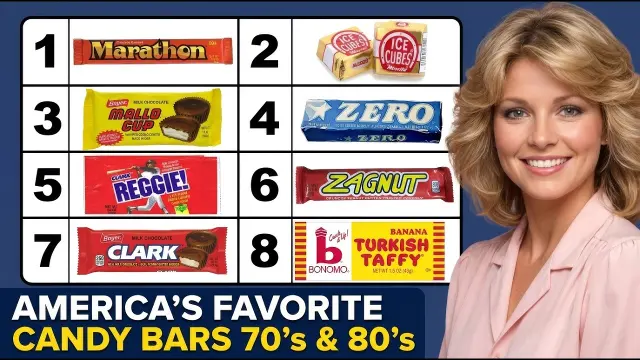 Twenty Classic Discontinued Candy Bars from Childhood
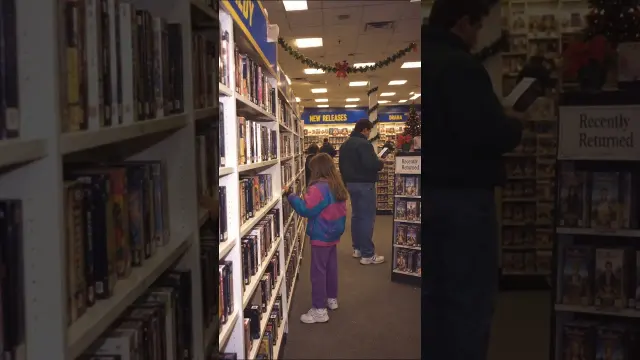 Vintage 1990s Christmas Atmosphere
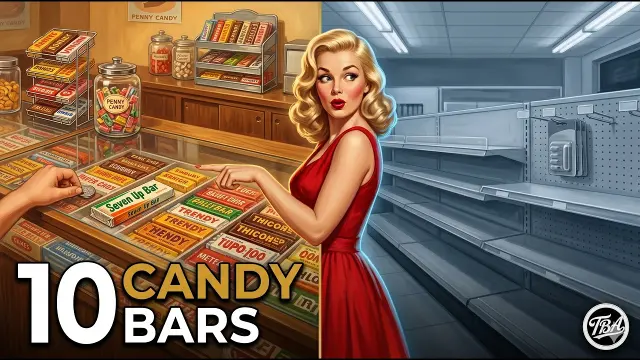 Ten Discontinued Candy Bars That Disappeared Unnoticed
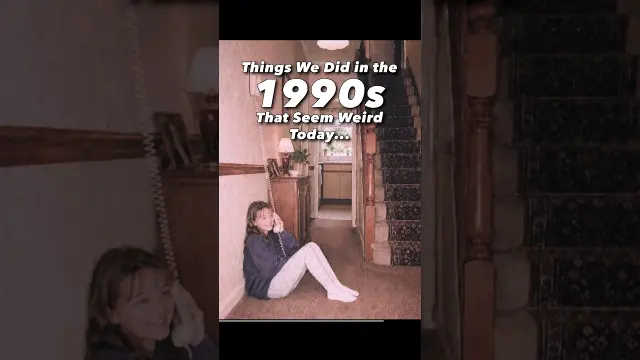 Normal Things From The 1990s That Feel Strange Today
 Vaporwave VHS Nostalgia Mix Set In 1997
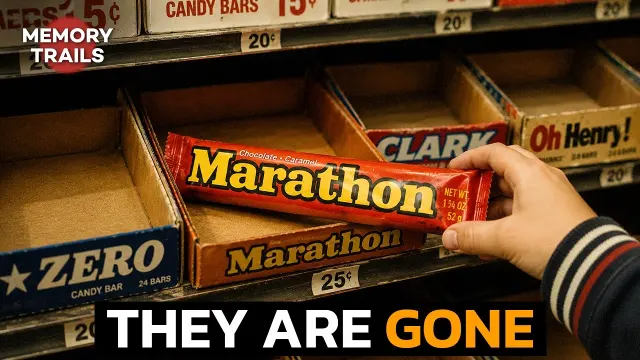 Fifteen Classic American Candy Bars We Lost
 Exploring 30 Forgotten and Discontinued Candies From the 1970s
 Tasting and Reviewing Unusual Retro and Old-Fashioned Candies
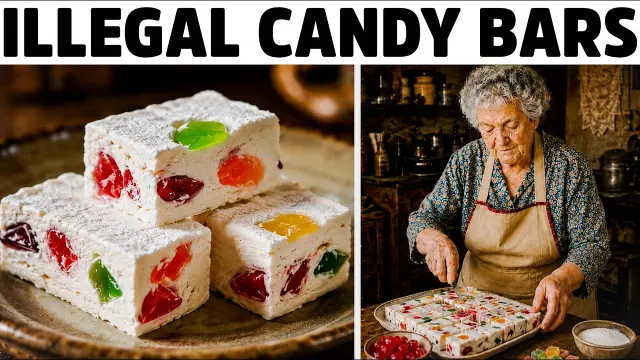 A Nostalgic Look at 25 Vintage Candy Bars From the 1970s
Get new #Nostalgia ideas by email
Every Thursday: the week's best ideas, with the newest from #Nostalgia.
Related tags
Nostalgia: A Guide to Memory and Meaning
Nostalgia is the warm, reflective feeling you get when something brings the past back to mind. It can be triggered by a taste, a song, a photo, a scent, a toy, or a place that reminds you of earlier times in your life. For many people, nostalgia is not just about missing what is gone, but about reconnecting with comfort, identity, and the stories that shape who you are.
The word comes from older terms for homecoming and longing. Over time, it came to describe the emotional pull of remembered days, especially childhood, family life, and shared cultural moments. Today, nostalgia appears in many parts of everyday life: in fashion, home décor, entertainment, food, gifts, and storytelling. It is one reason people are drawn to vintage items, classic recipes, old photographs, and familiar treats from the past.
Why nostalgia matters
Nostalgia helps people make sense of change. When life moves quickly, familiar memories can offer stability and comfort. It can also be social: one person’s memory of a movie, candy, or childhood game may lead to shared stories with friends or family. That is why nostalgia often appears in collections, celebrations, and creative work. It connects personal experience with a wider sense of history.
Read more
Common forms of nostalgia
Nostalgia can show up in many different ways:
- Personal nostalgia: memories of your own childhood, home, school, or family traditions
- Cultural nostalgia: a longing for the style, music, objects, or tastes of an earlier era
- Sensory nostalgia: a memory sparked by smell, taste, texture, sound, or sight
- Place-based nostalgia: feelings attached to a neighborhood, house, holiday spot, or other location
Because it is so closely tied to the senses, nostalgia is often strongest when something feels instantly familiar. A certain candy, for example, may bring back memories of school days, summer trips, or visits to a corner shop.
How nostalgia is used creatively
Nostalgia is a powerful tool in design, writing, photography, styling, and food presentation. Creators often use colors, patterns, objects, or references that feel timeless or familiar. In storytelling, nostalgia can create a gentle mood, give depth to a memory, or help readers connect with a shared past. In home styling and crafting, it often appears through heirlooms, handmade details, retro shapes, and well-loved materials.
Tips for exploring nostalgia well
If you want to use nostalgia thoughtfully, start with what feels genuine to you. Choose objects, stories, or flavors that have real meaning rather than trying to recreate a past that was never yours. A few simple ideas can help:
- Save items that tell a personal story
- Notice the sights, sounds, and tastes that bring back memories
- Mix old and new in a way that feels natural
- Use nostalgia to add warmth, not to copy the past exactly
Nostalgia works best when it feels honest. It can be soft, playful, bittersweet, or deeply comforting. At its heart, it is a way of holding on to memory while still living in the present.
Videos come from YouTube and posts from Instagram; titles and summaries are our own. All rights belong to their creators.