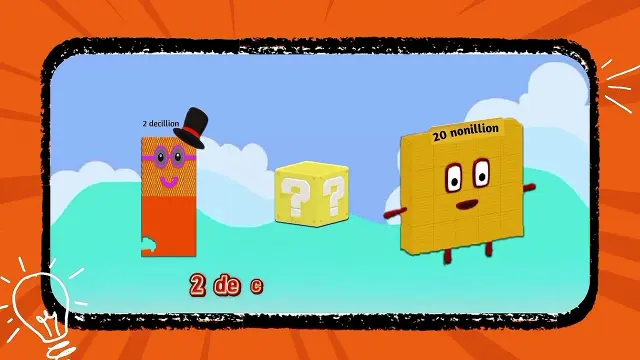
 Big Numbers Comparison from Million to Quadrillion
#Numberblocks
31 ideas
Big Numbers Comparison from Million to Quadrillion
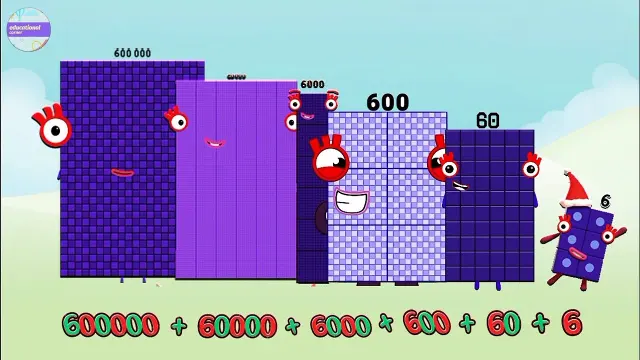 Numberblocks Addition of Big to Small Numbers
 The Biggest and Smallest Number Adventure in Numberland
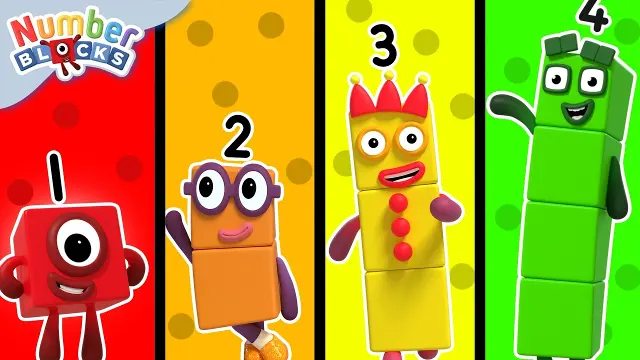 Numberblocks Counting and Early Math Skills for Kindergarten
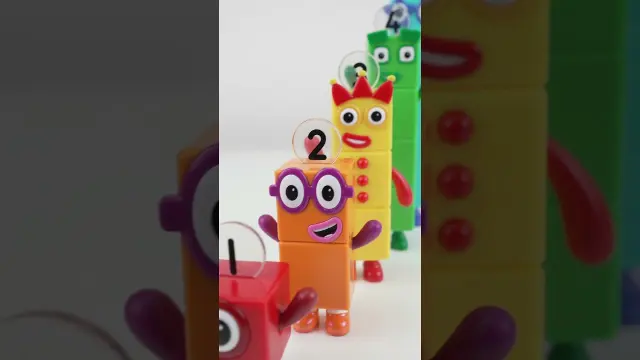 Numberblocks Counting Song and Toy Play
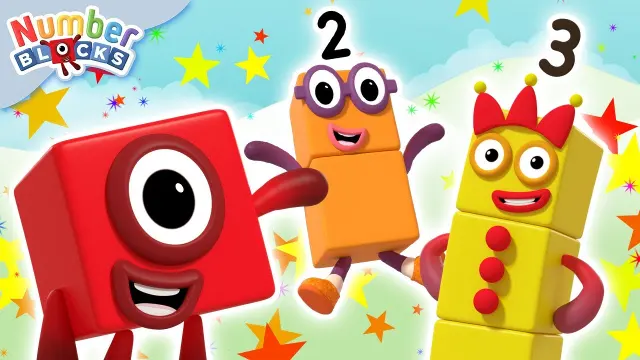 Fabulous First Grade Math and Counting with Numberblocks
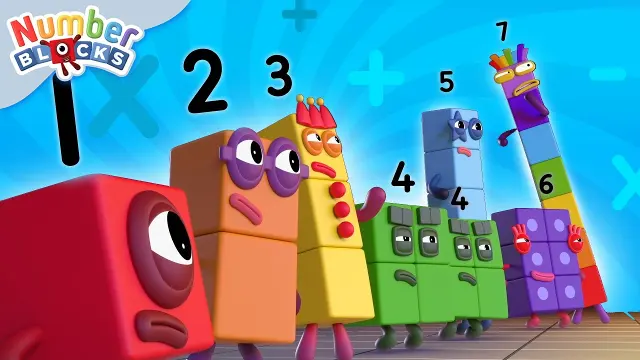 Learn to Count for Kids Compilation with Numberblocks
Get new #Numberblocks ideas by email
Every Thursday: the week's best ideas, with the newest from #Numberblocks.
Related tags
Numberblocks: Counting and Early Math for Kids
Numberblocks is a playful way of teaching early math through number-shaped characters and simple stories. It is designed for young children who are just beginning to count, recognize numbers, and understand what numbers mean. By turning numbers into friendly characters, it helps make abstract ideas feel concrete and memorable.
The idea behind Numberblocks comes from a classic early-learning approach: children often understand best when they can see, touch, and imagine a concept. Instead of learning numbers only as symbols on a page, children meet them as characters with personalities, sizes, and relationships. This can make counting, addition, subtraction, and comparison feel less confusing and more fun.
What children learn with Numberblocks
At its simplest, Numberblocks helps with number recognition and counting in order. As children become more confident, it can also support:
Read more
- Understanding that numbers represent quantity
- Comparing amounts, such as more, less, bigger, and smaller
- Recognizing number patterns
- Seeing how numbers can be combined and taken apart
- Building early confidence with basic addition and subtraction
For many children, the strongest benefit is not memorizing answers but developing number sense, which means a natural understanding of how numbers work.
Common styles and learning ideas
Numberblocks typically use visual storytelling. Numbers are shown as blocks that stack, split, or join together. This makes math ideas visible. Some common learning ideas include:
- Counting forward and backward
- Matching a numeral to a quantity
- Grouping objects into small sets
- Seeing doubles and near-doubles
- Understanding one more and one less
- Comparing lengths, heights, and amounts
Because the characters are consistent and easy to recognize, children can revisit the same ideas many times without feeling bored. Repetition is a key part of early learning.
How to use it with a young child
If you are using Numberblocks with a child, keep it light and playful. Ask simple questions while watching, reading, or playing:
- “How many do you see?”
- “Which one is bigger?”
- “What happens if we add one more?”
- “Can you find the same number again?”
You can also connect the idea to everyday life. Count steps, toys, fruit, buttons, or pieces of blocks. Real objects help children connect the character-based idea to the world around them.
Tips for beginners
Start with very small numbers. Young children often learn best when they master one to five before moving on. Use short sessions, repeat favorite parts, and let the child answer in their own way. There is no need to rush. The goal is steady familiarity with numbers, not speed.
It also helps to keep the focus on understanding rather than performance. If a child counts unevenly or mixes up numbers, that is normal. With patient repetition, the ideas usually become clearer.
Numberblocks works best as part of a broader early-math experience. Counting songs, sorting games, building toys, and picture books can all support the same skills. When math is shown in several simple ways, children are more likely to understand it deeply.
Videos come from YouTube and posts from Instagram; titles and summaries are our own. All rights belong to their creators.