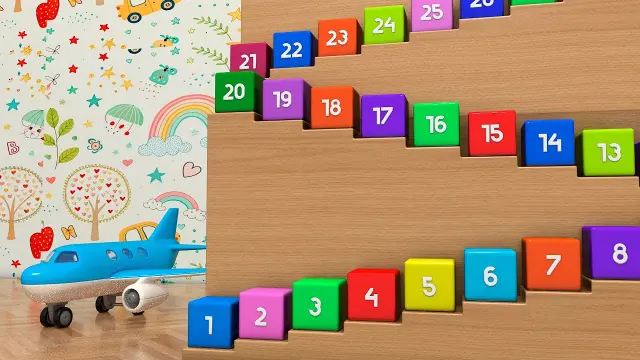
 Numbers Song 1 to 100 Counting and Early Learning
#Numbers 1-100
1 ideas
Numbers Song 1 to 100 Counting and Early Learning
Get new #Numbers 1-100 ideas by email
Every Thursday: the week's best ideas, with the newest from #Numbers 1-100.
Related tags
Numbers 1-100: Counting and Number Sense
What numbers 1 to 100 are
Numbers from 1 to 100 are the foundation of counting and basic numeracy. They help you name amounts, compare quantities, tell time, handle money, measure, and understand everyday order. Learning them is one of the first steps in building number sense, which is the ability to understand what numbers mean and how they relate to one another.
In many languages, the first ten numbers are learned first, then the patterns for the teens, tens, and hundreds are added. Once you understand these patterns, counting becomes much easier.
How the number system works
Read more
Most everyday counting uses a base-10 system, which means numbers are grouped in tens. This is why 10, 20, 30, and so on are especially important. The number 100 marks a full set of ten tens.
A simple way to understand the range from 1 to 100 is to notice three parts:
- 1 to 9: single numbers
- 10 to 19: teen numbers, which often have special names
- 20 to 100: numbers built from tens and ones
When you learn the pattern of the tens, you can count much more confidently: 20, 21, 22, and so on; then 30, 31, 32, and so on.
Ways to learn and practice
There are many gentle ways to get comfortable with numbers 1 to 100:
- Count objects you see every day, such as steps, toys, fruit, or buttons
- Say numbers aloud while pointing to them in a sequence
- Write numbers in order to notice the shape of each numeral
- Group items into tens to see how bigger numbers are formed
- Use number charts or number lines to spot patterns
For beginners, it helps to move slowly and repeat often. It is normal to mix up numbers at first, especially the teens and the decades like 40, 50, 60, and 70. Repetition and visual practice usually make these easier over time.
What to pay attention to
When learning numbers, focus on both reading and understanding them. It is useful to know:
- The name of each number
- What comes before and after it
- How to count forward and backward
- How to match a number with a group of objects
You do not need to rush. Being able to recognize patterns is often more helpful than memorizing everything at once.
Practical tips
If you are helping a child, keep practice short and playful. Counting games, songs, and simple sorting activities can make numbers feel familiar. If you are learning on your own, try using numbers in daily life: count pages, steps, ingredients, or coins.
The key is regular exposure. The more often you see and use numbers 1 to 100, the more natural they become.
Videos come from YouTube and posts from Instagram; titles and summaries are our own. All rights belong to their creators.