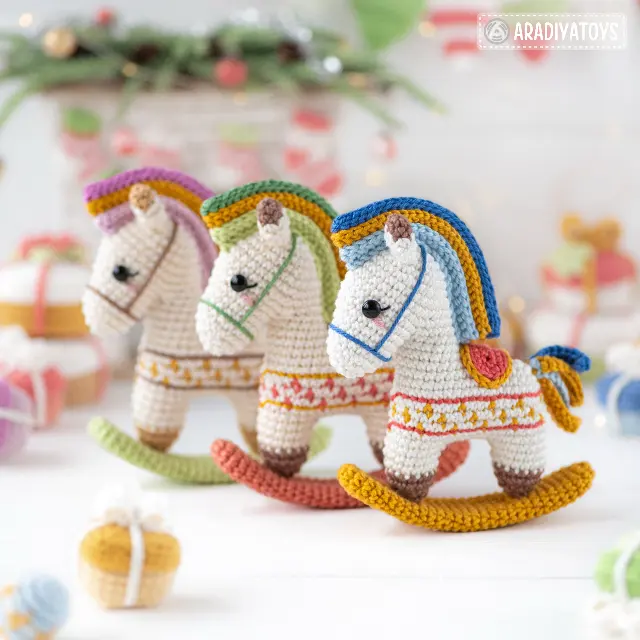
 Nutcracker Amigurumi Pattern Sets the Scene for a Crochet Christmas
#Nutcracker
1 ideas
Nutcracker Amigurumi Pattern Sets the Scene for a Crochet Christmas
Get new #Nutcracker ideas by email
Every Thursday: the week's best ideas, with the newest from #Nutcracker.
Related tags
Nutcracker: The Wooden Figure With a Story
A nutcracker is, at its plainest, a tool: two jaws joined by a hinge, with a lever handle that presses them together to break a nutshell. What makes it memorable is the shape that tool so often takes — a standing figure, usually a soldier or a king, whose lower jaw opens wide to hold the nut. Form and function meet in one object, which is part of why it has long outgrown its kitchen origins.
Where the figure comes from
Wooden nutcrackers in human form belong to the carving traditions of central Europe, especially the German mountain regions where toymaking grew into a household craft. Early examples were painted, worked by a lever at the back, and used at the table. Over time the cracking job became secondary: the figures grew larger, more ornamental, and increasingly tied to the winter season.
A German Romantic fairy tale about a nutcracker who comes to life and leads a battle against a mouse king gave the figure its story, and the ballet built on that tale fixed it in the popular imagination. Since then the nutcracker has stood for the festive season, for the guarding of a home, and for a certain satisfying, slightly stern charm.
Read more
Main kinds
- Traditional soldier figures: tall hats, painted uniforms, lever jaws, often displayed in groups.
- Decorative pieces: larger, more detailed, made for looking at rather than for cracking.
- Functional nutcrackers: simple lever or screw designs, plain or lightly carved.
- Craft versions: crocheted and knitted amigurumi dolls, felt, clay, and painted wooden blanks.
If you want to make one
For crochet and amigurumi, choose a yarn spun tightly enough that the stuffing does not show through the stitches, and work a firm gauge so the figure holds its shape. Stuff small sections as you go rather than leaving it all to the end. The face carries the character: embroidered eyes and a stitched mouth survive handling far better than glued-on details, and a piece of wire or a pipe cleaner in the legs helps the doll stand. A contrasting trim for the uniform — buttons, belt, a small crown — reads clearly even at a distance.
For painting a wooden blank, sand lightly, seal the grain, and build the colour in thin acrylic layers rather than one thick coat. Finish with a matte varnish so the piece can be dusted without lifting the paint.
Living with them
Keep wooden figures out of damp and away from direct sun, both of which warp wood and fade paint. Dust with a soft brush, and store pieces wrapped rather than stacked. If you do use a nutcracker for its original job, keep to the nuts it was made for — a jaw built for hazelnuts will not thank you for walnuts.
#Nutcracker: frequently asked questions
How do I start making a nutcracker if I've never made one before?
Pick one medium and begin with a small, simple figure rather than an elaborate one — a basic amigurumi doll or a plain wooden blank lets you learn the shape without pressure. Get the body proportions and the face right first, since those carry the character, and add the uniform details afterward. You can always make a more detailed version once the first one is finished.
What supplies do I need for a nutcracker project?
For a crocheted or knitted version, you need yarn that holds a firm stitch, a matching hook or needles, stuffing, embroidery thread for the eyes and mouth, and something stiff like wire or a pipe cleaner for the legs. For a painted wooden blank, gather sandpaper, a sealer for the grain, acrylic paints in thin layers, a fine brush, and a matte varnish. Small trims — buttons, braid, a little crown — finish the uniform.
Should I choose a decorative nutcracker or a working one?
Choose a decorative piece if the figure is meant to stand on a shelf or mantel and be looked at; these are larger, more detailed and not built for cracking. If you actually want to open nuts at the table, buy a plain lever or screw type and use it for the nuts it suits. Many people keep both — one for show, one for the kitchen.
How do I care for a nutcracker so it lasts?
Keep wooden figures out of damp rooms and away from direct sun, since both warp the wood and dull the paint. Dust with a soft brush rather than a wet cloth, and store pieces wrapped individually instead of stacked on top of each other. Fabric dolls should be spot cleaned and kept dry so the stuffing doesn't clump.
What mistakes do people make when making a nutcracker?
Overstuffing is the usual one — it stretches the stitches and the figure loses its crisp shape, so add filling in small amounts as you work. Gluing on the eyes and mouth instead of stitching them means the face wears away with handling, and painting in one thick coat rather than thin layers leaves visible brush marks. Also match the nut to the tool: a jaw made for small nuts shouldn't be forced open on a large one.
How can I use a nutcracker for a holiday occasion?
Group several figures of different heights along a mantel, shelf or entryway for a display that reads well from a distance. A single large one works as a table centrepiece beside candles and greenery, and a handmade doll makes a warm personal gift for someone who decorates the same way every year. Crocheted or painted versions are also good projects to make together with family in the run-up to the season.
Videos come from YouTube and posts from Instagram; titles and summaries are our own. All rights belong to their creators.