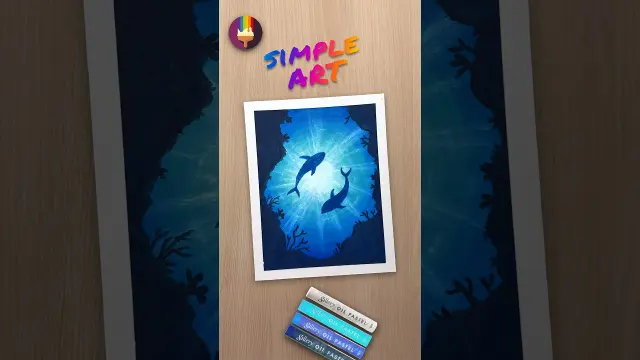
 Deep Sea Dolphin Drawing Tutorial for Beginners
#Ocean Art
1 ideas
Deep Sea Dolphin Drawing Tutorial for Beginners
Get new #Ocean Art ideas by email
Every Thursday: the week's best ideas, with the newest from #Ocean Art.
Related tags
Ocean Art Ideas and Inspiration
What ocean art is
Ocean art is any artwork inspired by the sea and everything connected to it: waves, tides, beaches, shells, coral, fish, dolphins, boats, and the changing colours of water and sky. It can be realistic or imaginative, simple or highly detailed. Some people use it to capture the beauty of the coastline, while others use it to express calm, movement, mystery, or freedom.
Because the ocean has so many shapes, textures, and moods, it has inspired artists for centuries. It appears in painting, drawing, printmaking, collage, photography, ceramics, embroidery, and mixed media. You might create a quiet shoreline scene, a dramatic stormy seascape, or a playful underwater world.
Common styles and subjects
Read more
Ocean art can take many forms, but a few subjects appear often:
- Waves and surf, with flowing lines and layered blues
- Seascapes, showing the meeting of sea, land, and sky
- Marine life, such as fish, dolphins, turtles, whales, and seabirds
- Shells, starfish, coral, and other shoreline details
- Abstract pieces that suggest water, light, or movement
Styles can range from realistic and detailed to loose and expressive. Some artists focus on smooth gradients and reflections, while others use bold brushstrokes, texture, or simplified shapes. You can also combine natural forms with decorative patterns for a more stylised result.
Techniques that suit the theme
Ocean subjects work well with many materials. Watercolour is often chosen for its soft layers and translucent look, especially for water, sky, and mist. Acrylic can be used for strong colour, texture, and layering. Pencil, ink, and charcoal are useful for linework, shading, and careful studies of shells or sea creatures. Collage and mixed media can help you build up sand, foam, and layered surfaces.
A few helpful approaches are:
- Use light and dark blues, but add greens, greys, and warm tones for depth
- Build the picture in layers, especially for water and sky
- Vary line quality to show movement
- Leave some open space to suggest distance, air, or reflection
- Add texture with dry brush, sponging, stippling, or simple pattern
What beginners should know
If you’re new to ocean art, start with one clear subject rather than trying to include everything. A single shell, a wave, or a dolphin can teach you a lot about shape and flow. Look closely at references from nature, and notice how the sea changes with light, weather, and depth.
Try to simplify what you see into basic shapes before adding detail. The ocean may seem complex, but many scenes are built from circles, curves, triangles, and horizontal bands. That makes it easier to sketch and plan.
Practical tips
- Start with a light pencil sketch before adding colour
- Keep your palette limited at first
- Study reflections, foam, and shadow to make water feel believable
- Balance detail with open areas so the composition does not feel crowded
- Practice small studies of shells, fish, and wave shapes before a larger piece
Ocean art is especially rewarding because it can be peaceful, energetic, or dreamlike. However you approach it, the key is to notice the movement, texture, and atmosphere of the sea, then translate that feeling into your own style.
#Ocean Art: frequently asked questions
How do I start making ocean art if I've never painted water before?
Begin with one clear subject instead of a whole seascape — a single shell, one wave, or a dolphin teaches you shape and flow without overwhelming you. Sketch it lightly in pencil first, breaking what you see into simple curves, circles and horizontal bands, then add colour. Small studies like these build confidence quickly and give you reference material for a larger piece later.
What materials do I need to begin ocean art?
You can start with very little: a pencil for the initial sketch, a surface to work on, and one medium you already enjoy. Watercolour suits soft water, sky and mist, acrylic gives you strong colour and texture, and ink or charcoal are lovely for shells and sea creatures. A limited palette of blues plus a few greens, greys and warm tones is enough to suggest depth.
Which style of ocean art should I choose?
It depends on what you want to express — realism lets you study reflections and foam closely, while a loose, expressive approach captures movement and mood more freely. If you enjoy pattern and decoration, try stylising natural forms with simplified shapes and repeating motifs. Pick the direction that matches the feeling you want the piece to carry, whether calm, dramatic or dreamlike.
How do I make painted water actually look like water?
Water reads convincingly when you build it in layers and pay attention to three things: reflections, foam and shadow. Keep edges softer in the distance and sharper nearby, and vary your brushwork so the surface does not look flat. Leaving some open space also helps suggest air, light and reflection rather than solid colour.
What are common mistakes beginners make with ocean art?
The biggest one is trying to include everything at once — too many subjects crowd the composition and dilute the focus. Another is overworking the water, adding detail until the softness and movement disappear. Keep your palette limited, balance detailed areas with calmer open space, and stop before the piece starts to feel heavy.
Can ocean art be made in mediums other than paint?
Yes — the theme works across drawing, printmaking, collage, photography, ceramics, embroidery and mixed media. Collage and mixed media are especially good for building up sand, foam and layered surfaces, while stitched and ceramic pieces suit shells, coral and shoreline details. The subject is flexible enough that the material itself can carry part of the meaning.
Videos come from YouTube and posts from Instagram; titles and summaries are our own. All rights belong to their creators.