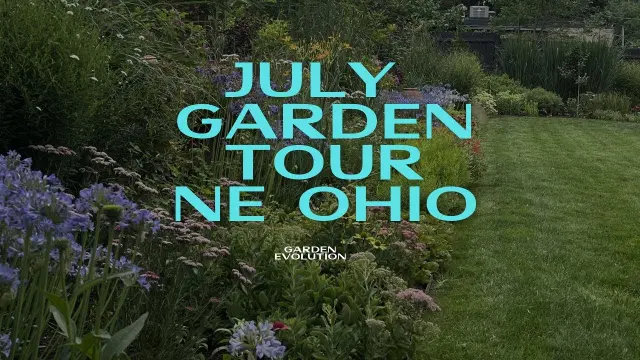
 July Garden Tour in Northeast Ohio Zone 6b
#Ohio Gardening
1 ideas
July Garden Tour in Northeast Ohio Zone 6b
Get new #Ohio Gardening ideas by email
Every Thursday: the week's best ideas, with the newest from #Ohio Gardening.
Related tags
Ohio Gardening: Growing Well in the Buckeye State
Ohio gardening means working with a climate that never quite settles into one mood. You get cold winters, warm humid summers, and a spring that can swing from snow to seventy degrees in a week. Gardening here is less about fighting that variability than about learning to read it, and once you do, the state rewards you with deep soils, generous rainfall and a long enough season to grow an impressive range of things.
Start with your zone and your last frost
Ohio stretches across several hardiness zones: colder in the north, milder near the lake and in southern counties. Knowing your zone tells you which perennials will survive winter, but it says nothing about your frost dates, which shift with elevation, proximity to water and even your own backyard. Ask a neighbour, or keep your own notes for a couple of years. A garden journal is the single most useful tool you will own here; what happened last April is better guidance than any chart.
Feed the soil first
Read more
Much of Ohio sits on heavy clay, which holds nutrients and water but drains slowly and compacts easily. Rather than replacing it, improve it. Add compost every year, keep beds mulched, and avoid working wet soil, which turns clay into brick. Raised beds are a sensible answer for anyone with poor drainage or a short growing window, since they warm earlier in spring. A soil test through your county extension office will tell you what you actually need instead of what you assume.
What grows well
The classic Ohio garden is a mix of vegetables, herbs, perennials and lawn, and the state is friendly to all of them.
- Cool-season crops such as lettuce, spinach, peas and brassicas thrive in spring and again in autumn.
- Warm-season vegetables like tomatoes, peppers and squash want full sun and steady watering once summer arrives.
- Native perennials, including coneflower, black-eyed Susan, milkweed and asters, handle local weather without fuss and support pollinators.
- Fruit is possible too, from strawberries to apples, though birds and deer will negotiate.
Work with the seasons
Spring is for planting and mulching, summer for watering deeply but less often and for watching for pests, autumn for harvesting, cleaning up and planting bulbs and garlic. Winter is not idle time: it is when you plan, sharpen tools and read. Many Ohio gardeners stretch the edges of the year with cold frames or row cover, harvesting greens well into the cold months.
Practical habits that pay off
Water in the morning, at the base of the plant, and aim for an inch a week including rain. Mulch to keep moisture in and weeds down. Rotate where you plant the same crops to keep soil problems from building up. Plant for pollinators and leave some seed heads standing through winter. And be patient with spring: the last frost date is a guideline, not a promise, so keep a sheet handy for cold nights.
Above all, garden at a scale you enjoy. A single well-tended bed will teach you more than a large neglected one, and Ohio's weather will give you plenty of lessons either way.
#Ohio Gardening: frequently asked questions
How do I start a garden in Ohio when the weather keeps changing?
Start small and let the season teach you: pick one bed in a spot that gets good sun and watch how it behaves through a full year before expanding. Keep a simple journal of what you planted and how the weather treated it, since your own notes about last spring are more useful than any general chart. Building the soil with compost and mulch from the beginning saves far more work than trying to fix problems later.
What should I know about Ohio soil before planting anything?
A lot of Ohio ground is heavy clay that holds water and nutrients but drains slowly and packs down hard. Improve it rather than replacing it — add compost each year, keep beds mulched, and stay off it when it is wet so you don't compact it further. If drainage is a real problem, raised beds warm up sooner in spring and give roots a better start.
Which plants do best in an Ohio garden?
The state suits a wide mix, so it helps to divide plants by when they like to grow. Cool-season crops such as lettuce, peas and leafy greens do well in spring and again in autumn, while tomatoes, peppers and squash need sun and steady watering through summer. Native perennials like coneflower, asters and milkweed ask very little and bring pollinators in.
How do I care for a garden through an Ohio summer?
Water deeply but less often, in the morning and at the base of the plant, so roots go down instead of sitting near the surface. Mulch holds that moisture in and keeps weeds from taking over while you are not looking. Watch for pests as the heat builds, and move crops around from year to year so soil problems don't accumulate in one spot.
Can I keep growing through the colder months in Ohio?
Yes, and many gardeners here do — cold frames and row cover let you harvest greens well into the cold season. Winter itself is planning time: sharpen tools, read, and decide what to change next year. Planting garlic and bulbs in autumn also gives you something to look forward to when the ground thaws.
What are the most common mistakes new Ohio gardeners make?
The big ones are digging in wet clay, planting too early and trusting a frost date as a promise, and taking on more beds than can be tended well. Keep a sheet handy for cold nights and be ready to cover tender plants when spring turns. A single well-kept bed teaches more than a large neglected one.
Videos come from YouTube and posts from Instagram; titles and summaries are our own. All rights belong to their creators.