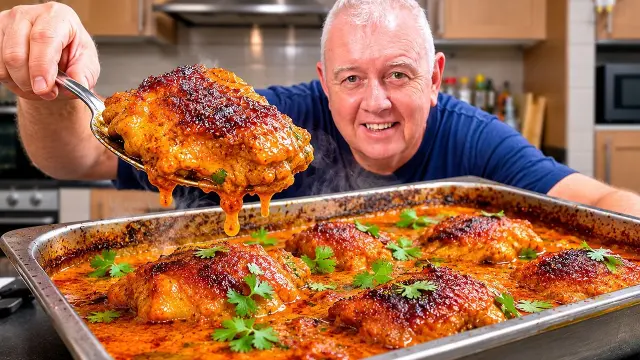
 Oven Tray Chicken Curry Made Without Frying Onions
#One Tray Meals
1 ideas
Oven Tray Chicken Curry Made Without Frying Onions
Get new #One Tray Meals ideas by email
Every Thursday: the week's best ideas, with the newest from #One Tray Meals.
Related tags
One Tray Meals: Everything Cooked on a Single Pan
A one tray meal is exactly what the name suggests: a whole dish cooked on one baking tray or shallow roasting pan, without separate pots for the sauce, the side or the starch. You chop, toss, spread everything out and slide the tray into the oven. What comes back is a full plate of food and, just as importantly, a sink with almost nothing in it.
The idea is older than any name for it. Home cooks across Europe have long roasted meat and vegetables together in the same dish, and the Italian tradition of cooking al forno, the British traybake, and the foil packet cooked over coals all rest on the same principle. What is new is only the habit of treating it as a method in its own right rather than as a shortcut.
It works because dry oven heat does something wet heat cannot. Edges brown and crisp, natural sugars concentrate, and vegetables absorb the fat and juices of whatever is cooking beside them, so flavours season each other. There is also a practical honesty to it: one pan to prepare, one pan to wash.
There are several kinds worth knowing. The classic roast combines a protein with sturdy vegetables, arranged so the smaller pieces sit at the edge of the tray. Tray gratins layer vegetables with a sauce and a topping that browns on top. Foil packets seal fish or vegetables with aromatics so they steam in their own moisture. Vegetarian trays built on chickpeas, halloumi, tofu or root vegetables follow the same logic, with a little more oil and a little more seasoning.
Read more
For a beginner, three things matter most. Cut evenly, because size decides cooking time far more than the oven setting does. Leave space, because a crowded tray steams rather than roasts and nothing browns. And respect the order of things: dense roots need longer, quick-cooking pieces go in later, and anything delicate goes in last.
Beyond that, the small habits make the difference. Use a sturdy metal tray with a rim, and preheat it if you want a head start on browning. Coat everything lightly but thoroughly in oil and season it before it goes in, not only after. Turn the contents once halfway through so the undersides get their turn. Finish with something sharp or fresh, such as lemon, vinegar, yogurt or herbs, to lift the roasted flavours, and let the tray rest a few minutes before serving so the juices settle back into the food.
Choose a tray that fits your oven and your appetite, keep the recipes you like, and vary the vegetables with the seasons. Most of these dishes keep well for a day or two and reheat gently, which makes them as useful for a quiet weeknight as for a table of guests.
#One Tray Meals: frequently asked questions
What exactly is a one tray meal?
It is a complete dish cooked on a single baking tray or shallow roasting pan, with no separate pots for sauce, side or starch. You prepare the ingredients, spread them out and let the oven do the rest, so the food and the washing up arrive in the same shape: one pan in, one pan out. The method draws on old home cooking traditions of roasting meat and vegetables together rather than on any single cuisine.
What do I need before making my first one?
A sturdy metal tray with a raised rim is the one piece of equipment that really matters, because it holds the juices and gives the food room to brown. Beyond that you need oil, seasoning and a little patience about how you arrange things on the tray. Nothing specialised is required, which is part of why the method suits beginners.
Which kind of tray meal should I choose?
Pick by what you feel like eating and by how much attention you want to give it: a roast-style tray pairs a protein with sturdy vegetables, a gratin layers vegetables under a sauce and a browning topping, a sealed foil packet lets fish or vegetables steam in their own moisture, and a vegetarian tray built on pulses, cheese or roots follows the same pattern. For a first attempt, choose the one whose ingredients you already cook confidently. The technique stays the same across all of them, only the timing and seasoning shift.
How should I store and reheat leftovers?
Most tray meals keep well for a short while in the fridge and reheat gently rather than at a fierce heat, so the vegetables do not dry out. Covering the dish loosely while it warms helps it come back to something pleasant. If the tray included a fresh finish such as herbs or a squeeze of lemon, add that again after reheating rather than before.
What can I serve when I am cooking for guests?
A single large tray is a generous way to feed a table, because everything arrives together and still looks abundant. Choose a combination with contrast, something crisp beside something soft, and finish it with a sharp or fresh element so the flavours stay lively. Because the oven does the work, you are free to be with your guests instead of at the stove.
What are the most common mistakes?
The usual culprits are unevenly cut pieces, which cook at different speeds, and overloading the tray, which traps steam and leaves everything pale and soft instead of browned. Another is seasoning only at the end, when the food has already had its chance to take on flavour. Give dense ingredients a head start, add delicate ones late, and turn everything once partway through.
Videos come from YouTube and posts from Instagram; titles and summaries are our own. All rights belong to their creators.