 Top 5 AI Certification Courses Worth More Than a Degree
#Online Learning
3 ideas
Top 5 AI Certification Courses Worth More Than a Degree
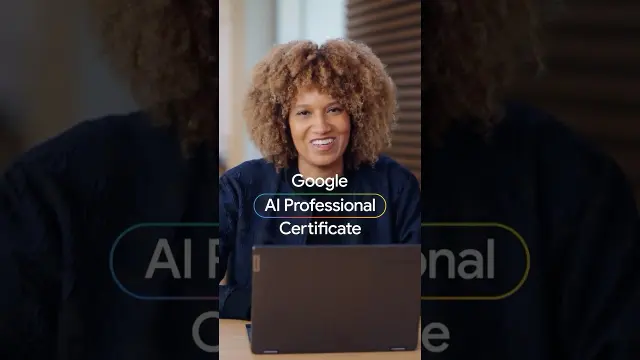 Google AI Professional Certificate Overview on AI Fluency
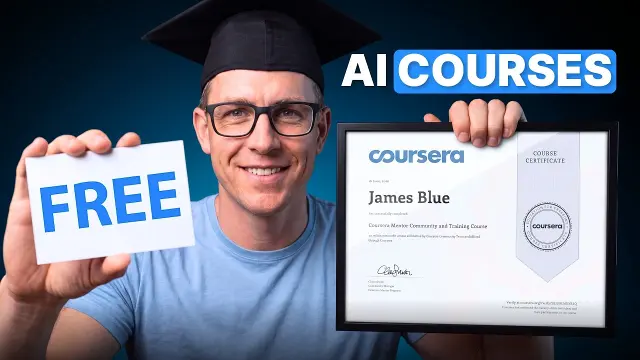 Comparison of Free Artificial Intelligence Courses with Certificates
Get new #Online Learning ideas by email
Every Thursday: the week's best ideas, with the newest from #Online Learning.
Related tags
Online Learning: A Practical Guide
What online learning is
Online learning is a way of studying through the internet instead of, or alongside, a physical classroom. It can include full courses, short lessons, tutorials, live classes, recorded lectures, and self-paced study. People use it to learn new skills, explore hobbies, earn qualifications, or keep up with work and life changes.
In simple terms, online learning brings teaching materials, exercises, and communication tools into a digital space. That may be a website, an app, a learning platform, or a video call. Because it is flexible, it has become a common way to study for students, professionals, and anyone who wants to keep learning.
Where it comes from
Read more
Distance learning has existed for a long time in forms like correspondence courses and radio or television lessons. Online learning grew as internet access improved and computers became part of everyday life. It made it easier to share materials instantly, join classes from different places, and study at a pace that suits you.
Today, online learning ranges from formal education to informal self-study. It is used by schools, universities, workplaces, and independent learners. What matters most is not the format, but how clearly the material is structured and how consistently you follow it.
Main types of online learning
There are several common styles:
- Self-paced learning: you move through lessons on your own schedule.
- Live online classes: a teacher leads a lesson in real time with a group.
- Blended learning: online study is combined with in-person teaching.
- Video-based learning: short or long recordings explain a topic step by step.
- Interactive courses: quizzes, exercises, and assignments help you practise.
- Peer learning: discussion boards or group tasks let you learn with others.
Each type has strengths. Self-paced study is flexible, while live classes can give more structure and support. Interactive learning helps you stay active, not just watch or read.
How to make it work for you
Online learning is easiest when you treat it like real study time. Set a regular schedule, choose a quiet place if you can, and break lessons into manageable parts. It also helps to keep notes, review often, and practise what you learn instead of only consuming information.
A few simple habits can make a big difference:
- Decide your goal before you begin.
- Start with one course or topic at a time.
- Use reminders so study does not drift.
- Take short breaks to stay focused.
- Test yourself with questions or exercises.
- Save useful materials so you can revisit them later.
What beginners should know
If you are new to online learning, do not try to make it perfect. Choose a format that suits your routine and attention span. A short, clear course is often better than a long one that you never finish. It is also normal to need some adjustment time, especially if you are used to face-to-face teaching.
Look for courses with a clear outline, practical tasks, and explanations that match your level. If something feels too advanced, step back and build the basics first. Online learning works best when you are patient, consistent, and willing to keep going even in small steps.
Videos come from YouTube and posts from Instagram; titles and summaries are our own. All rights belong to their creators.