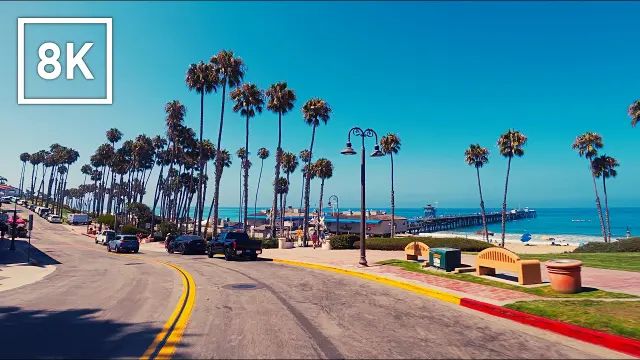
 Scenic 8K Drive Along the Pacific Coast With Chill House Music
#Pacific Coast
1 ideas
Scenic 8K Drive Along the Pacific Coast With Chill House Music
Get new #Pacific Coast ideas by email
Every Thursday: the week's best ideas, with the newest from #Pacific Coast.
Related tags
Pacific Coast: A Guide to the Wild Western Shore
The Pacific Coast is the edge where the land meets the Pacific Ocean, and the name covers an enormous distance: the fjords and rainforests of Alaska and British Columbia, the volcanic headlands of Washington and Oregon, the long coves of California, and onward down through Mexico, Central America and South America, with the ocean's western rim reaching Asia and the South Pacific. In everyday use, "Pacific Coast" usually calls up the North American shore — a strip of cliff, sand and spruce that has shaped the way people imagine the far west.
Its character comes from a simple fact: the ocean lies to the west, so weather arrives off the water. Fog, salt air, cool summers and a soft, grey-gold light are part of the landscape, and they are much of why it photographs so well.
A coastline of several moods
The northern stretch is cool and damp — temperate rainforest coming down to rocky shore, sea stacks standing offshore, driftwood piled at the tideline. Farther south, dunes and wide beaches open up, good for long walks and quiet mornings. Elsewhere the coast turns vertical: cliffs, coves, arches and sea caves reachable only at low tide, with lighthouses marking the headlands. Island chains and inlets add another variety, where ferries do the work of roads.
Read more
What draws people to it
Tides, more than anything. Twice a day the shoreline doubles and shrinks, and the low-water hour reveals tide pools full of anemones, crabs, starfish and small fish. Offshore, whales, sea lions, harbour seals and seabirds pass by; on land, the fog and the wind do the rest. For anyone who likes photography, the overcast light is a gift — soft shadows, saturated greens, muted blues and greys.
If you are new to the coast
- Read a tide table before you walk anywhere near the water. Many shorelines are only passable at low tide, and high tide cuts off beaches and coves quickly.
- Dress in layers, including something windproof. Coastal weather changes within an hour.
- Never turn your back on the surf, and keep well back from wet rocks, logs and cliff edges. Sneaker waves and shifting driftwood are real hazards.
- Wear shoes with grip for wet rock and seaweed.
- Watch wildlife from a distance and never approach seals resting on the sand.
- Take your rubbish home, leave shells, stones and driftwood where you find them, and put tide pool creatures back gently.
Bringing the coast home
The palette travels well: weathered grey, sand, deep green, fog white. Collected images of driftwood, rope, sea glass and low cloud lend themselves to calm interiors, simple crafts and quiet gatherings, whether you are planning a small beach wedding or just an afternoon by the water. The coast asks little of you — only that you slow down, watch the tide, and let the weather set the pace.
#Pacific Coast: frequently asked questions
How do I plan a first visit to the Pacific Coast?
Start with a tide table, since the shoreline here changes shape with the water and many coves and beaches are only walkable at low tide. Pick one short stretch rather than trying to cover a lot of ground, and give yourself time to just sit and watch the water. The coast rewards a slow pace far more than a packed itinerary.
What should I wear and bring along?
Layers are the whole strategy — a windproof outer layer, something warm underneath, and shoes with real grip for wet rock and seaweed. Coastal weather can shift within an hour, so it helps to have a dry change waiting in the car. A camera is worth packing too, because the overcast light is unusually kind to photographs.
Which part of the coast should I choose?
It depends on the mood you want: the northern stretches are cool, damp and forested, with rocky shore and sea stacks, while farther south you get dunes, wide beaches and gentler walking. Some areas turn vertical into cliffs, arches and sea caves, and island chains need ferries instead of roads. Pick the landscape that matches what you actually enjoy doing rather than the one that looks most dramatic.
How do I explore the coast responsibly?
Keep a respectful distance from wildlife, and never approach seals resting on the sand — give them room and move on quietly. Take your rubbish home, leave shells, stones and driftwood where you found them, and return anything you lift from a tide pool gently to its spot. Staying well back from wet rocks, logs and cliff edges protects both the coastline and you.
Can the Pacific Coast work as a setting for a small wedding or quiet gathering?
Yes — the palette of weathered grey, sand, deep green and fog white lends itself to calm, simple celebrations, and driftwood, rope and sea glass make easy decorations. Keep the plan loose enough to bend with the weather, and have a sheltered backup in mind for wind or rain. Guests usually remember the setting and the unhurried mood more than any detail.
What mistakes do first-time visitors make?
The common ones are ignoring the tide, turning their back on the surf, and standing too close to wet rocks or piled driftwood that can shift. Dressing for a sunny forecast is another easy error, since the ocean side often stays cool and damp. Treating the coast as a checklist to tick off is the quietest mistake of all — it works better when you let the weather set the pace.
Videos come from YouTube and posts from Instagram; titles and summaries are our own. All rights belong to their creators.