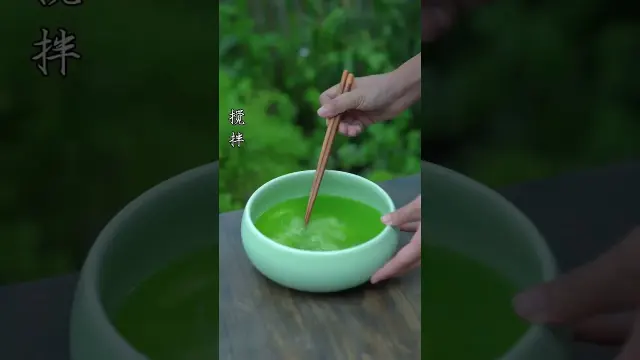
 Pandan Coconut Layered Water Chestnut Cake
#Pandan
1 ideas
Pandan Coconut Layered Water Chestnut Cake
Get new #Pandan ideas by email
Every Thursday: the week's best ideas, with the newest from #Pandan.
Related tags
Pandan: Fragrant Leaf for Sweet and Savoury Cooking
Pandan is a long, blade-like tropical leaf valued for its gentle fragrance and natural green colour. In many kitchens across Southeast Asia, it is used in both sweet and savoury cooking, much as vanilla, citrus zest, or bay leaf might be used elsewhere: to add aroma rather than to dominate a dish. Fresh leaves are the most common form, though pandan is also used as juice, extract, paste, or infused liquid.
What pandan tastes and smells like
Pandan has a soft, sweet, grassy aroma with hints of vanilla, coconut, and freshly cut leaves. The flavour is delicate, so it works best when it is allowed to infuse into liquids, batters, rice, or custards. If you use too little, the scent may be lost; if you use too much, the result can become overly perfumed. The goal is usually a gentle background note.
Where it comes from
Read more
Pandan comes from tropical regions of Asia and grows as a leafy plant with narrow, strap-like leaves. It has long been used in traditional home cooking and festive foods. In some places, the leaves are tied into knots before simmering, because this helps release their aroma and makes them easier to remove later. In others, the leaves are bruised, blended with water, or wrapped around food before cooking.
Common uses in the kitchen
Pandan is especially well known in desserts, but it is not limited to sweets. You may find it in:
- Rice and steamed dishes, where it adds fragrance
- Custards, cakes, puddings, and jellies
- Coconut-based desserts and creamy fillings
- Drinks, syrups, and shaved ice desserts
- Savoury dishes such as chicken, fish, or rice prepared with aromatic leaves
In baking, pandan is often paired with coconut, rice flour, mung bean, taro, or pandan-coconut fillings. Its flavour is gentle enough to blend beautifully with mild ingredients, yet distinctive enough to make a dessert memorable.
Ways to use pandan
If you are new to pandan, start simply. A few fresh leaves can be washed, tied into a knot, and simmered in milk, coconut milk, or water. The liquid can then be strained and used in cakes, puddings, custards, or rice. You can also blend the leaves with a little water and strain the pulp to make a green liquid for colouring and flavour.
Some practical tips:
- Use fresh, fragrant leaves when possible
- Bruise or knot the leaves to help release flavour
- Strain well if you are using pandan juice
- Add pandan gradually, especially in baking, so the flavour stays balanced
- Pair it with coconut, vanilla, rice, or light citrus for a gentle, rounded taste
What to know as a beginner
Pandan is more subtle than many people expect. It is not meant to taste sharp or herbal like mint or basil. Instead, think of it as an aroma leaf that creates softness and depth. If a recipe uses pandan extract, the amount needed may be very small, since the flavour can be concentrated. With fresh leaves, longer infusion usually gives a fuller result, but the best method depends on the dish.
Once you get used to it, pandan becomes an easy ingredient to love: simple, versatile, and quietly fragrant.
Videos come from YouTube and posts from Instagram; titles and summaries are our own. All rights belong to their creators.