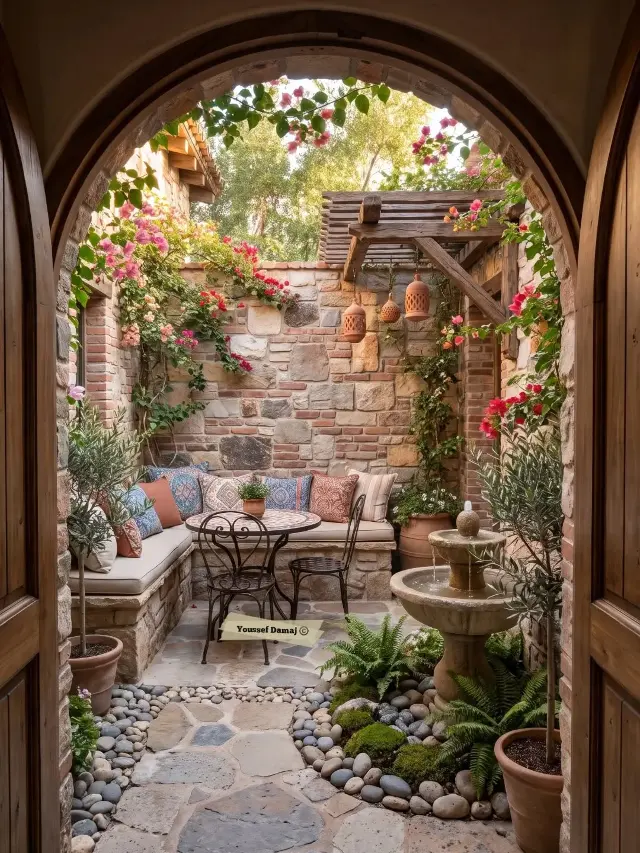
 A quiet and peaceful outdoor seating area design
#Patio Design
2 ideas
A quiet and peaceful outdoor seating area design
Get new #Patio Design ideas by email
Every Thursday: the week's best ideas, with the newest from #Patio Design.
Related tags
Patio Design Ideas and Essentials
What patio design means
Patio design is the art of planning an outdoor area so it feels useful, comfortable, and attractive. A patio can be a simple paved corner for sitting outside, or a larger space that connects the home with the garden. It often serves as a place for dining, relaxing, entertaining, or enjoying a quiet moment outdoors.
A good patio begins with the way you want to use it. Some people need a calm retreat with a few chairs and planting around the edges. Others want a family-friendly space for meals, conversation, and easy movement between the house and the garden. The best design balances appearance with everyday practicality.
Common patio styles
Read more
Patios can suit many styles of home and garden. A formal patio often uses symmetrical shapes, clean lines, and orderly planting. A more relaxed style may use curved edges, mixed textures, and softer planting to create a natural feel. Rustic patios often rely on stone, timber, and weathered finishes, while modern patios tend to use simple forms, smooth surfaces, and restrained colour choices.
You can also shape the mood through the materials you choose. Stone can feel timeless and grounded. Brick often gives warmth and character. Concrete paving can create a neat, simple look. Gravel may suit informal spaces and can soften the overall design. Each material affects not only the style, but also how the patio feels underfoot and how much upkeep it may need.
Planning the layout
Before choosing furniture or planting, think about scale and circulation. A patio should be large enough for its purpose, but not so large that it overwhelms the garden. Leave clear routes for walking, and make sure doors, gates, and paths feel easy to use.
It helps to think in zones:
- A dining area for a table and chairs
- A lounging area for comfortable seating
- A planting edge to soften hard surfaces
- A quiet corner for reading or reflection
If your patio receives strong sun, consider where shade might be welcome. If it is overlooked, planting, screens, or trellises can make it feel more private without closing it in.
Materials, comfort, and detail
A successful patio is not only about paving. Comfort matters too. Choose furniture that suits the size of the space and allows people to sit and move easily. Outdoor cushions, rugs, and planters can add softness and help the patio feel like part of the home.
Lighting can make the space useful for longer periods and add a gentle atmosphere. Subtle lighting is often better than harsh brightness. Similarly, a few well-chosen plants can make the edges feel lived-in and inviting. Repetition of colours or materials can bring the whole design together.
Practical tips for beginners
- Start with one clear purpose for the patio
- Measure the space before buying furniture
- Keep the design simple if the area is small
- Choose materials that suit your climate and lifestyle
- Leave room for planting so the space does not feel hard or bare
- Think about maintenance before making final choices
The most successful patio designs feel calm, easy to use, and connected to the rest of the garden. When the layout, materials, and furnishings work together, the patio becomes a natural extension of your home.
#Patio Design: frequently asked questions
How do I start designing a patio?
Begin by deciding what you most want the space for, whether that is dining, lounging, or simply sitting outside in the quiet. Once the purpose is clear, measure the area and sketch a rough layout that leaves easy routes between the house, the garden, and the furniture. Making these decisions first stops you from buying pieces that turn out to be the wrong size or shape.
Do I need a professional to design a patio?
Not necessarily. A straightforward patio of modest size can be planned by anyone willing to measure carefully and think through how the space will be used day to day. A designer or landscaper becomes worthwhile when the area is awkward, the ground needs work, or you want help balancing materials and planting.
Which patio style should I choose?
Look at your home and garden first, then pick a style that sits comfortably with them rather than fighting them. A formal patio with symmetrical shapes and clean lines suits a tidy, structured garden, while curved edges, mixed textures, and softer planting feel more relaxed and natural. Rustic stone and timber bring warmth and age, whereas simple forms and restrained colours give a modern, uncluttered feel.
How can I make a small patio feel bigger and more comfortable?
Keep the design simple and avoid crowding it with too many pieces of furniture or decorative objects. Choose seating that fits the space with room to walk around it, and let a planting edge soften the hard surfaces. Subtle, gentle lighting and a repeated colour or material will help the whole area read as one calm, connected space rather than a cramped one.
How do I care for a patio once it is built?
Upkeep depends largely on the material you chose, so think about maintenance before you settle on paving. Stone and concrete generally need occasional sweeping and cleaning, timber benefits from periodic treatment, and gravel may need raking and topping up. Bringing cushions, rugs, and loose items indoors during bad weather will keep the furnishings looking good for longer.
What are the most common patio design mistakes?
The usual slip is choosing furniture or planting before working out what the patio is actually for, which often leads to a space that looks good but is awkward to use. Another is making the patio too large for the garden or blocking the natural routes between house, patio, and lawn. Ignoring shade, privacy, and the amount of upkeep a material demands also tends to cause regret later.
Videos come from YouTube and posts from Instagram; titles and summaries are our own. All rights belong to their creators.