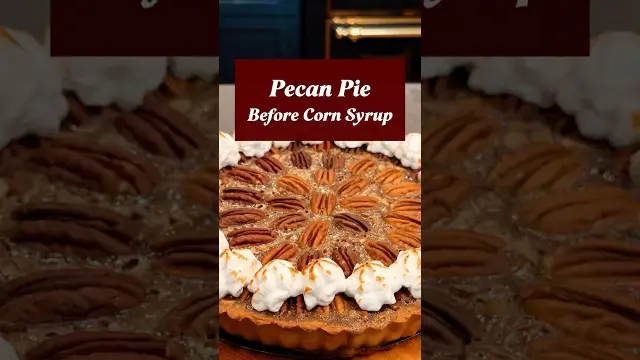
 A 1914 Pecan Pie Recipe Recreated for the Thanksgiving Table
#Pecan Pie
1 ideas
A 1914 Pecan Pie Recipe Recreated for the Thanksgiving Table
Get new #Pecan Pie ideas by email
Every Thursday: the week's best ideas, with the newest from #Pecan Pie.
Related tags
Pecan Pie: A Complete Guide to the Southern Classic
Pecan pie is a single-crust dessert built on a custard-like filling of nuts, sugar and syrup, baked until the top forms a glossy, slightly crackled surface and the centre is just barely set. It belongs to the dessert tradition of the American South, where the pecan tree grows natively, and it is most often associated with autumn and holiday tables — though it is welcome at any time of year.
Where it comes from
The pecan is a North American nut, long used by the native peoples of the Mississippi valley and the Gulf Coast, who ground it, stored it and used it in cooking. European-style sugar-and-syrup pies arrived with settlers, and the two traditions met naturally: a nut that was plentiful and a pastry technique that was already familiar. The pie as it is generally known today took shape in the late nineteenth and early twentieth centuries, when it began appearing in community cookbooks and household manuals. Earlier sweet nut confections — a sort of pecan sugar candy — are often described as its ancestor.
How the filling works
Read more
Most pecan pie fillings combine eggs, sugar, a liquid sweetener and fat, with pecan halves stirred in or arranged on top. The eggs are what set the filling; the sweetener provides both body and the characteristic soft, almost gel-like texture. Corn syrup became the standard choice during the twentieth century because it resists crystallising and gives a clean, mild sweetness, but it is not the only option. Cane syrup, golden syrup, maple syrup, honey and molasses all work, each bringing its own flavour and colour — molasses in particular makes a darker, more assertive pie.
Kinds and variations
Beyond the classic, you will find chocolate pecan pie, where melted chocolate or cocoa goes into the filling; bourbon or rum versions, where a spoonful of spirit is added; maple and brown-butter variants; and pies that swap in walnuts or a mixture of nuts. Miniature tart versions bake faster and suit a party table. Some cooks add a thin layer of chocolate or jam at the base of the crust before pouring in the filling, which also helps keep the pastry from going soggy.
What beginners should know
Toast the pecans briefly before using them — it deepens the flavour noticeably. Whisk the eggs gently rather than vigorously, so you don't work in too much air, which can make the surface foam. Warm the syrup mixture slightly so it combines smoothly with the eggs without cooking them. Pour the filling into a chilled, unbaked pastry shell and set the pie on a lower oven shelf so the bottom crust has a chance to brown.
The hardest part is judging when it is done. The pie should still have a gentle wobble in the centre when you take it out; it firms up considerably as it cools. Overbaking is what causes a curdled or rubbery filling. Let it cool completely before slicing — several hours, ideally — or the filling will run.
Serve it plain, with lightly whipped cream or a scoop of vanilla ice cream. It keeps well loosely covered at room temperature for a couple of days, and freezes successfully if you wrap it well.
#Pecan Pie: frequently asked questions
What is pecan pie, and what makes it different from other nut pies?
It is a single-crust pie filled with a custard of eggs, sugar and a liquid sweetener, with pecan halves stirred through or laid on top. The eggs set the filling while the sweetener gives it that soft, almost gel-like body, so the result is a glossy, faintly crackled top over a barely set centre. Other nut pies follow the same idea but change the nut, the sweetener or both, which shifts flavour and colour considerably.
What do I need to make a pecan pie for the first time?
You need an unbaked pastry shell, pecan halves, eggs, sugar, a liquid sweetener and some fat, plus a little salt and flavouring if you like. Any syrup-style sweetener works, so you can choose based on the flavour you want rather than hunting for one specific bottle. A whisk, a bowl and a baking tin are really all the equipment required.
Which sweetener should I choose for the filling?
The classic choice is a mild, clean-tasting syrup that resists crystallising, which is why it became the default. Cane syrup, golden syrup, maple syrup and honey each bring their own character and colour, while molasses gives a darker, more assertive pie that some people love and others find strong. If you are new to it, start with something mild and adjust on a second bake.
Why did my filling turn out rubbery or curdled?
That usually means it was left in the oven too long — the hardest part of this pie is judging doneness. Take it out while the centre still has a gentle wobble, because it firms up a lot as it cools. Whisking the eggs too vigorously also whips in air that foams the surface, and pouring hot syrup into cold eggs can start them setting before they bake.
How should I store and serve it?
Let it cool completely before slicing — ideally for several hours — or the filling will run when you cut it. After that it keeps well loosely covered at room temperature, and it freezes successfully if wrapped properly. Serve it plain or with lightly whipped cream or vanilla ice cream.
What are some variations worth trying?
You can stir melted chocolate or cocoa into the filling, add a spoonful of bourbon or rum, or use browned butter and maple for a deeper flavour. Miniature tart versions bake faster and work nicely on a party table, and swapping in walnuts or mixing nuts is an easy change. Some cooks spread a thin layer of chocolate or jam over the base of the crust first, which adds flavour and helps protect the pastry from going soggy.
Videos come from YouTube and posts from Instagram; titles and summaries are our own. All rights belong to their creators.