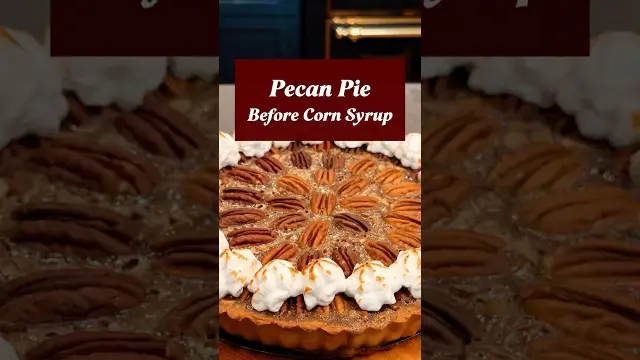
 A 1914 Pecan Pie Recipe Recreated for the Thanksgiving Table
#Pie Recipes
1 ideas
A 1914 Pecan Pie Recipe Recreated for the Thanksgiving Table
Get new #Pie Recipes ideas by email
Every Thursday: the week's best ideas, with the newest from #Pie Recipes.
Related tags
Pie Recipes: A Complete Guide to Crusts, Fillings and Baking
A pie is one of the oldest and most forgiving things a home baker can make: a filling, enclosed or topped with pastry, baked until the crust turns golden and the filling settles into something richer than its parts. The idea travels well. Almost every food culture has some version of it — a folded dough carrying meat, fruit, cheese or custard — and that is part of why pies feel both traditional and endlessly open to interpretation.
What Makes a Pie a Pie
The defining element is the crust. A pie is built around a pastry shell that holds the filling while it bakes, whether that shell is a full double crust, a single base with a top of lattice or crumble, or a free-form edge folded up over the fruit. Once you understand the crust, everything else is a variation.
The Main Kinds
Read more
Sweet pies break down into a few broad families. Fruit pies use fresh, frozen or dried fruit, usually with sugar and a thickener so the juices set rather than run. Custard pies, including pumpkin and chess-style fillings, rely on eggs to set a liquid base. Cream pies are baked blind and filled afterwards with a cooked or whipped filling, then chilled. Nut pies sit somewhere between custard and confection. Beyond these are hand pies, tarts, galettes and savoury pies with meat, cheese or vegetables, which follow the same rules but skip the sugar.
Pastry: Where Beginners Should Focus
Most pie trouble begins with the dough. The goal is tenderness and flakiness rather than strength, which means handling it as little as possible. Fat — butter, lard or a mixture — should be cold and cut into the flour until it forms pieces of varied size, some like coarse crumbs and some like small peas; that unevenness is what creates flakes. Water goes in gradually, just until the dough holds together when squeezed. Too much water makes a tough crust.
Resting matters as much as mixing. Chilling the dough before rolling relaxes it, keeps the fat firm and makes it easier to handle. Roll from the centre outward, lifting and turning the dough rather than pressing it, and keep the flour on the bench light.
Useful Techniques
Blind baking — lining the shell with parchment and something heavy to hold it down — gives a crisp base for wet fillings and is essential for any pie that will not be baked again. A hot oven at the start sets the structure and encourages browning; a lower temperature later lets the filling cook through. Venting a double crust with a few slits lets steam escape. Placing the pie on a preheated tray catches drips and helps the bottom brown.
Practical Tips
Keep everything cool, including your hands and the bowl, when the kitchen is warm. Weigh ingredients where you can, since flour varies. Let fruit pies cool fully before slicing — the filling firms as it does. If the edges darken before the centre is done, a strip of foil or a pastry shield protects them. And taste your filling before it goes in: a little salt and acid will make fruit taste more like itself.
Pies reward patience more than precision. The first one may look uneven; the fifth will not, and none of them will go uneaten.
#Pie Recipes: frequently asked questions
What do I need to start making pies at home?
You really only need flour, fat, a little water and salt for the crust, plus a bowl, a rolling pin and something to bake in. A kitchen scale helps more than fancy equipment because flour settles differently from bag to bag, and a preheated tray under the tin gives you a browner bottom. Start with a single-crust fruit pie before working up to a double crust or lattice.
How do I choose which kind of pie to make?
Pick by how the filling sets: fruit pies rely on sugar and a thickener, custard pies on eggs, cream pies are baked empty and filled afterwards, and nut pies fall somewhere between custard and candy. If you want something forgiving, fruit is the easiest place to begin; if you want a crisp base under a wet filling, plan on blind baking. Savoury pies follow the same pastry rules and simply leave out the sugar.
Why does my pie crust come out tough instead of flaky?
Toughness almost always comes from overworking the dough or adding too much water. Keep the fat cold, cut it in until you have a mix of coarse crumbs and small pea-sized pieces, and add water only until the dough just holds together when squeezed. Chilling before rolling relaxes the gluten and firms the fat, which makes both rolling and flakiness easier.
How do I stop a pie from getting a soggy bottom?
For any filling that will not be baked again, blind bake the shell first so the base is set and crisp before the wet filling goes in. Baking on a preheated tray helps the bottom brown, and starting in a hot oven gives the structure a chance to set early. If the filling is very juicy, thickening it properly also keeps liquid from soaking into the pastry.
What are the most common mistakes beginners make with pies?
The usual culprits are warm ingredients, heavy handling of the dough, and slicing a fruit pie while it is still hot. Let a fruit pie cool completely so the juices can firm up, and shield the edges with foil if they darken before the middle is done. Tasting the filling before it goes in and adjusting with a pinch of salt or a squeeze of acid makes more difference than most people expect.
Can I make a pie ahead of time, and how should I store it?
Pastry dough freezes well and can be chilled for later rolling, which makes pies easier to fit around a busy day. Baked custard and cream pies generally belong in the fridge, while fruit pies keep better at room temperature so the crust stays crisp. Add cream or whipped toppings just before serving rather than in advance.
Videos come from YouTube and posts from Instagram; titles and summaries are our own. All rights belong to their creators.