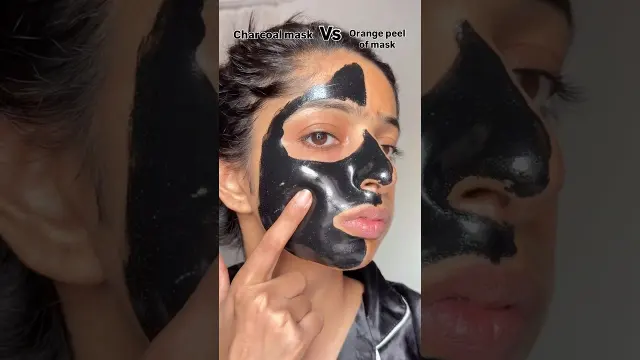
 Charcoal mask versus orange peel-off mask compared
#Peel-Off Mask
1 ideas
Charcoal mask versus orange peel-off mask compared
Get new #Peel-Off Mask ideas by email
Every Thursday: the week's best ideas, with the newest from #Peel-Off Mask.
Related tags
Peel-Off Mask Guide: How They Work and How to Use Them
A peel-off mask is a face treatment applied as a liquid or gel that dries into a thin, flexible film, then lifted away in one piece. The appeal is partly practical and partly sensory: the mask sets on the skin, and removing it takes away whatever sits loosely on the surface along with it. It is one of the oldest formats in home skincare, sitting somewhere between a rinse-off mask and a patch, and it remains popular because it is quick, inexpensive and oddly satisfying to use.
How they work
Most peel-off masks are built on a film-forming ingredient — a polymer that holds the formula together as it dries. Water or a light solvent carries the other components, and as it evaporates the mixture sets into a rubbery sheet. Whatever the formula promises, the physical action is the same: the film adheres lightly to the top layer of skin and to loose surface debris, and comes away when it is pulled. Anything the mask is going to do for the skin generally has to happen while it is still wet and setting, not during the peel itself.
The main kinds
Read more
- Gel and rubber masks, which set into a soft, stretchy sheet and are the gentlest to remove.
- Charcoal and clay-based versions, aimed at oily or congested skin, which rely on the film to lift surface oil along with the debris.
- Brightening or hydrating formulas, where the peel is mostly a delivery method for ingredients left behind on the skin.
- Nose strips and small targeted patches, a close relative of the full-face mask, used on the nose and chin.
What beginners should know
Read the drying time and follow it. Leaving a mask on far past the point where it sets makes it stiff and painful to remove, and pulling a brittle film tugs at the skin. Apply a thin, even layer — thick patches dry unevenly and stay tacky in the middle.
Before a full application, test a small area on your jaw or inner arm, especially if your skin is sensitive or you have reacted to adhesives before. Skip the mask entirely on broken, sunburnt, peeling or freshly exfoliated skin, and keep it away from the eyes, lips and hairline, where the film will catch and pull.
Removing it without stressing your skin
Peel slowly and stay close to the skin, working with the direction the film lifts naturally rather than yanking upward. If a section resists, dampen it with warm water and wipe rather than tearing it off. Follow with a simple moisturiser, since the process can leave skin feeling tight. Many people find once a week is plenty; peel-off masks are a surface treatment and reward restraint more than frequency.
Used sensibly, a peel-off mask is a pleasant, low-cost ritual with a clear beginning and end — and the satisfaction of a clean peel is a legitimate part of why people keep coming back to them.
#Peel-Off Mask: frequently asked questions
How do I use a peel-off mask for the first time?
Start with clean, dry skin and spread a thin, even layer over the face, avoiding the eyes, lips and hairline. Note the drying time on the product and lift the film once it has set but still feels slightly flexible. A small patch test on your jaw or inner arm beforehand is a sensible first step, particularly if your skin tends to react to adhesives.
What do I need before starting a peel-off mask?
You really only need the mask itself, something to tie your hair back, and a moisturiser to use afterwards. A soft cloth and warm water are handy in case a section of the film resists and needs dampening instead of pulling. No special tools are required, which is part of why the format is so approachable.
Which type of peel-off mask should I choose?
Gel and rubber versions set into a soft, stretchy sheet and come off most gently, so they suit people new to the format or with easily stressed skin. Charcoal and clay-based masks are aimed at oily or congested skin and lift surface oil as the film comes away, while brightening and hydrating formulas treat the peel as a way of delivering ingredients. Targeted nose strips work well if you only want to address one area.
How do I remove a peel-off mask without hurting my skin?
Peel slowly and keep the film close to the skin, following the direction it naturally lifts rather than pulling upward. If a patch sticks, soften it with warm water and wipe it away instead of tearing. Finish with a plain moisturiser, since the process can leave skin feeling tight.
What are the most common mistakes with peel-off masks?
The usual ones are applying too thick a layer, which dries unevenly and stays tacky in the middle, and leaving the mask on well past its setting point so it becomes brittle and painful to remove. Using them on broken, sunburnt, peeling or freshly exfoliated skin is another frequent error. Most people find once a week is ample, as these are surface treatments that reward restraint.
Is a peel-off mask a good idea for a pamper session or get-together?
Yes, it works well for a relaxed evening in or a small gathering, because it is quick, inexpensive and has a clear beginning and end. The visible peel is part of the fun and makes it an easy activity to share. Keep the mood simple with a moisturiser on hand for afterwards.
Videos come from YouTube and posts from Instagram; titles and summaries are our own. All rights belong to their creators.