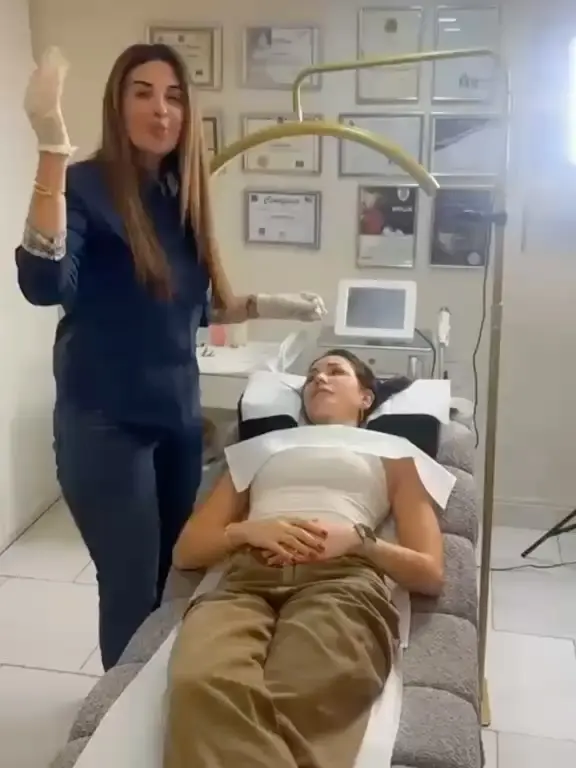
 Permanent makeup removal: a look at the healed results
#Permanent Makeup
1 ideas
Permanent makeup removal: a look at the healed results
Get new #Permanent Makeup ideas by email
Every Thursday: the week's best ideas, with the newest from #Permanent Makeup.
Related tags
Permanent Makeup: A Beginner's Guide
Permanent makeup, also called cosmetic tattooing or micropigmentation, is a technique in which pigment is placed into the upper layers of the skin to create the look of brows, eyeliner or lip colour that lasts for years rather than hours. It is different from a conventional tattoo mainly in intent and precision: the goal is not a picture but a subtle, natural-looking enhancement that saves time each morning and holds its shape through swimming, sport and the rest of daily life.
Where it comes from
Marking the skin with pigment is an ancient practice found in many cultures around the world, and cosmetic tattooing borrows both its tools and its caution from that long history. Modern permanent makeup grew out of medical micropigmentation, where pigment is used to restore the appearance of skin after surgery or to disguise scars. That clinical background still shapes the field: hygiene, skin knowledge and a restrained approach to colour matter as much as drawing skill.
The main techniques
Read more
- Microblading uses a small hand tool with fine blades to draw hair-like strokes into the brows. It suits people with a decent amount of natural hair and a fairly balanced brow shape.
- Machine brows, including soft powder or ombré styles, use a device that builds a misty, filled-in effect. They tend to suit oilier skin better than fine strokes do.
- Lip blush places a wash of colour over the lips to even out the outline and add warmth.
- Eyeliner enhancement adds pigment along the lash line, from a subtle definition to a more defined line.
- Scalp micropigmentation creates the appearance of short hair or a denser hairline, and camouflage work is used on scars and on the areola after breast surgery.
What a first appointment involves
Expect a consultation before anything permanent happens. A good practitioner asks about your health, medications, allergies and expectations, and explains honestly what pigment can and cannot do. Patch tests are common, and the colour is usually chosen together with you rather than for you. The procedure itself is done in stages with numbing cream, and a top-up appointment a few weeks later is normal, because healed results are lighter than fresh ones.
What beginners should know
Healing takes weeks and passes through an awkward phase. The treated area may look darker and sharper at first, then flake or scab, and the colour settles considerably softer. Brows can look patchy in between. Do not pick at the skin, keep the area clean and dry as instructed, and stay out of strong sun and saunas while it heals.
- Choose a practitioner whose healed work you have seen in person or in clear, unfiltered photographs, and ask about hygiene and licensing.
- Understand that pigment fades over time and needs refreshing to stay crisp.
- Be aware that removal is possible but not simple, so treat the decision as a long one.
- Speak up during the appointment if something feels wrong, and go back for advice if healing looks unusual.
Good permanent makeup should look like you on a very good day, not like makeup applied by someone else.
#Permanent Makeup: frequently asked questions
How do I choose the right style of permanent makeup for my face?
Start with what you already do with makeup each day and what you want to stop doing. Fine hair-like strokes suit brows that already have decent natural hair and a balanced shape, while a soft powder or ombré finish works better on oilier skin and gives a misty, filled-in look. Lip blush and lash-line enhancement are gentler options if you only want warmth or definition rather than a strong shape.
What should I expect at a first permanent makeup appointment?
Nothing permanent should happen before a proper consultation, where a good practitioner asks about your health, allergies and expectations and is honest about what pigment can and cannot do. Colour is normally chosen together with you, patch tests are common, and the work itself is done in stages with numbing cream. A top-up visit later on is standard, because healed results always look lighter than fresh ones.
How do I care for permanent makeup while it heals?
Expect an awkward phase: the area often looks darker and sharper at first, then flakes or scabs, and the colour settles much softer, with brows sometimes looking patchy in between. Keep the area clean and dry as your practitioner instructs, resist picking at the skin, and stay out of strong sun and saunas until healing is complete. If anything looks unusual, go back for advice rather than treating it yourself.
What mistakes do people make with permanent makeup?
The most common one is choosing a practitioner on price or on heavily filtered photos instead of looking at healed work in clear, unfiltered images and asking about hygiene and licensing. Another is treating it as a quick decision when pigment fades over time and needs refreshing, and removal is possible but not simple. Staying silent during the appointment is also a mistake — speak up if something feels wrong.
Does permanent makeup really fade, and can it be removed?
Yes, pigment gradually softens and lightens over time, which is why refreshing is part of keeping the result crisp rather than a sign something went wrong. Removal is possible, but it is a longer and less predictable process than most people assume, so it should not be treated as an easy undo. That is the main reason to think of the decision as a long-term one.
Can permanent makeup cover scars or thinning hairlines?
Cosmetic tattooing grew out of medical micropigmentation, where pigment was used to restore appearance after surgery or to disguise scars, so camouflage work on scars and scalp micropigmentation for a denser-looking hairline are established parts of the field. Results depend heavily on the skin and the practitioner's judgement, so ask to see comparable healed work before committing. A consultation is the right place to find out honestly whether your case is suitable.
Videos come from YouTube and posts from Instagram; titles and summaries are our own. All rights belong to their creators.