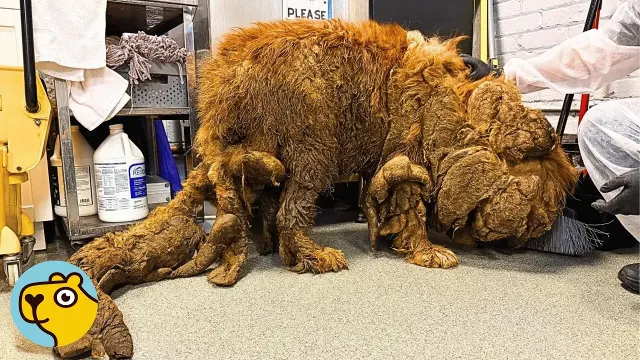
 Police Officer Rescues Severely Matted Giant Dog
#Pet Recovery
1 ideas
Police Officer Rescues Severely Matted Giant Dog
Get new #Pet Recovery ideas by email
Every Thursday: the week's best ideas, with the newest from #Pet Recovery.
Related tags
Pet Recovery Guide for a Calm, Safe Healing
What pet recovery means
Pet recovery is the period when an animal is healing after an illness, injury, surgery, or a difficult rescue situation. It can be a short rest after a minor treatment or a longer time of rebuilding strength, trust, and routine. Recovery is not only about the body; it also includes comfort, security, appetite, and behavior.
Different pets recover in different ways. A dog may need quiet walks and controlled movement. A cat may need a calm room and a place to hide. Small animals and birds often need extra attention to temperature, feeding, and stress. No matter the species, the basic goal is the same: reduce strain and help the body do its work.
Creating a calm recovery space
Read more
A quiet, safe space makes a big difference. Keep the area warm, clean, and easy to reach. Limit stairs, jumping, rough play, and sudden noise. If your pet is wearing a cone, bandage, or protective garment, make sure it fits well and does not rub or trap dirt.
Place water nearby and make food easy to access. For pets with limited mobility, use shallow bowls or raised dishes if that helps them eat comfortably. Soft bedding can ease pressure on sore joints or wounds, but it should still be clean and dry.
Supporting healing day by day
Follow any instructions from a veterinarian carefully, especially about medication, rest, wound care, or activity limits. Give medicines exactly as directed and never assume a human remedy is safe for a pet. If you are unsure, ask before using anything new.
Watch for changes in appetite, drinking, bathroom habits, energy, and mood. A pet in recovery may be quieter than usual, but they should still gradually improve. Keep a simple routine for feeding, walks, and rest, because familiar patterns often help animals feel secure.
Common kinds of recovery care
- Rest and restricted movement after surgery or injury
- Wound care and keeping bandages clean and dry
- Gradual return to exercise after illness or weakness
- Rebuilding weight and appetite after neglect or stress
- Emotional adjustment after rescue, rehoming, or long periods of fear
Each kind of recovery may need a different pace. Some pets bounce back quickly, while others need patience and small steps.
When to seek help
Contact a veterinarian if your pet seems worse instead of better, refuses food or water, has trouble breathing, has bleeding or swelling, vomits repeatedly, seems unusually painful, or cannot stand or move normally. Trust your instincts if something feels off.
A patient approach matters
Recovery often moves in small, uneven steps. Some days may feel encouraging, and others may feel slower. Try to be steady, gentle, and observant. With rest, proper care, and attention to signs of distress, many pets can heal more comfortably and regain confidence over time.
Videos come from YouTube and posts from Instagram; titles and summaries are our own. All rights belong to their creators.