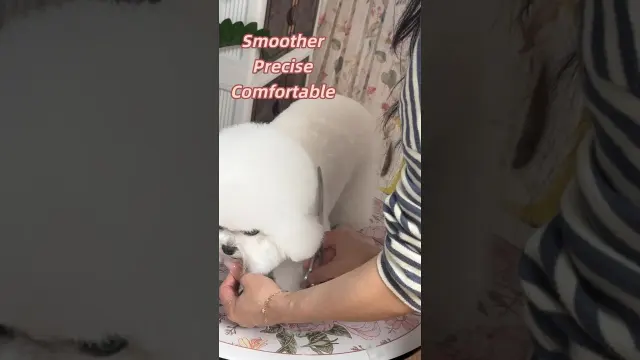
 Professional Grooming Scissors in Action on Bichon
#Pet Styling
24 ideas
Professional Grooming Scissors in Action on Bichon
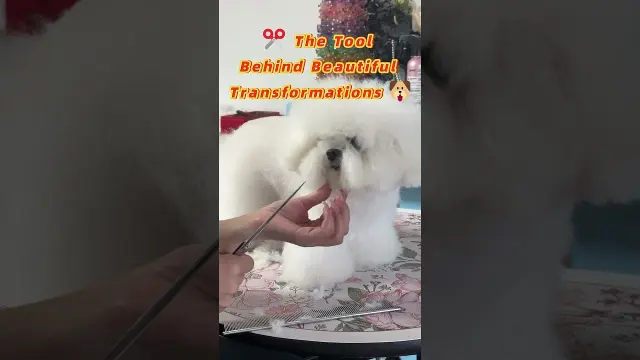 Shaping Dog Coats With Professional Shears
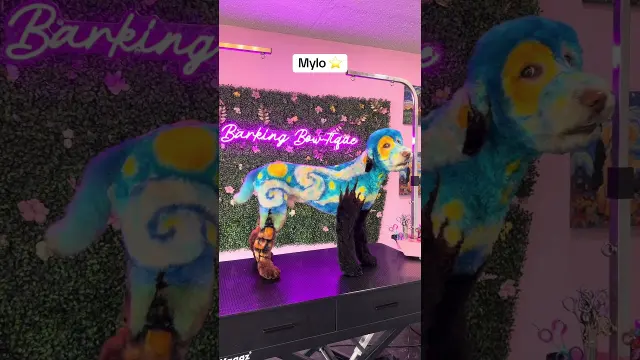 Creative Dog Grooming Styles and Artistic Transformations
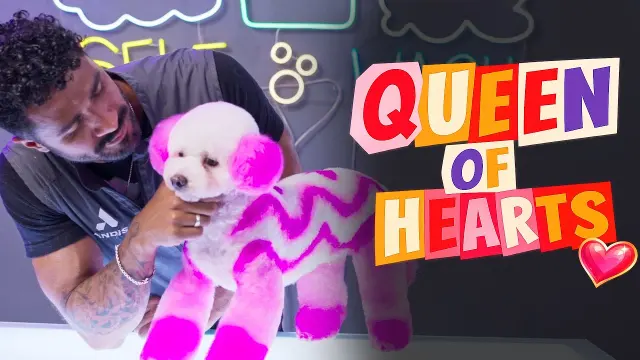 Full Creative Grooming Process with Heart Design and Doodle Trim
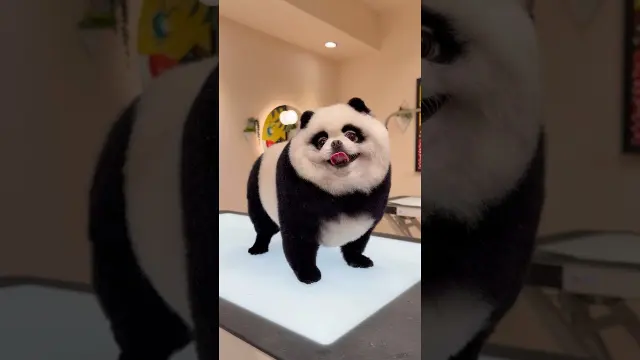 Pomeranian Styled Into the Perfect Panda Dog
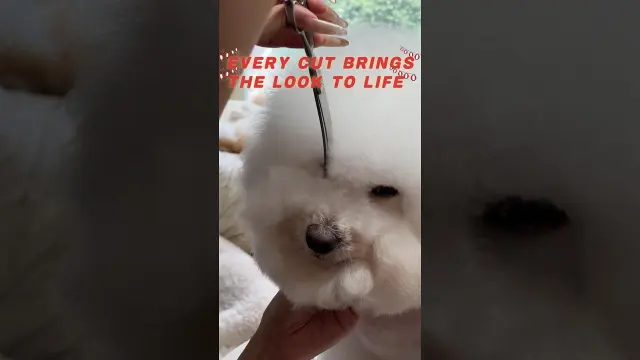 Why Professional Groomers Care So Much About Scissors
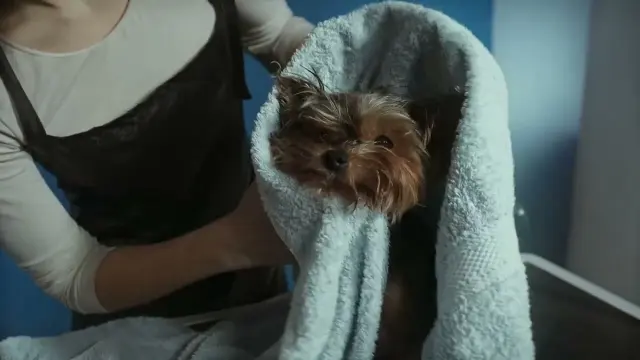 Dog Grooming Basics and Coat Styling Techniques
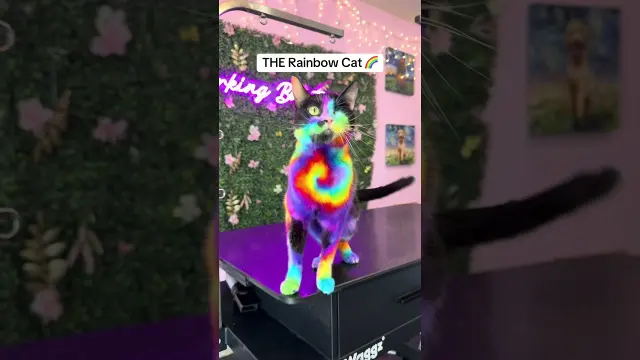 Dog Creative Grooming Stunning Before and After Looks
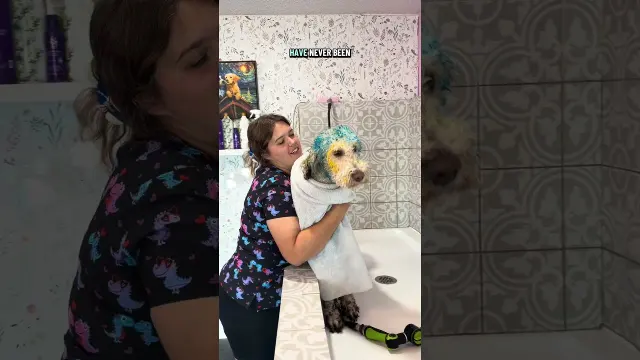 Behind the Scenes of a Next Creative Grooming Project
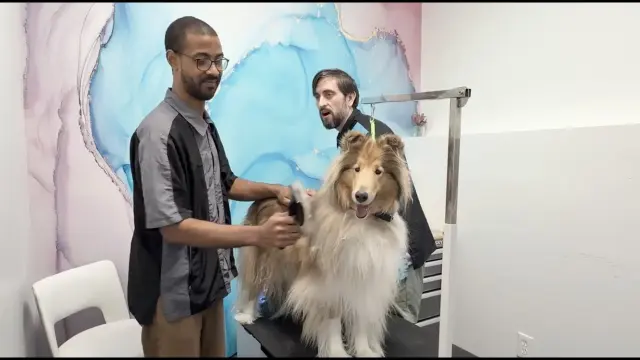 Atlanta Pet Groomer Launches Apprenticeship Program
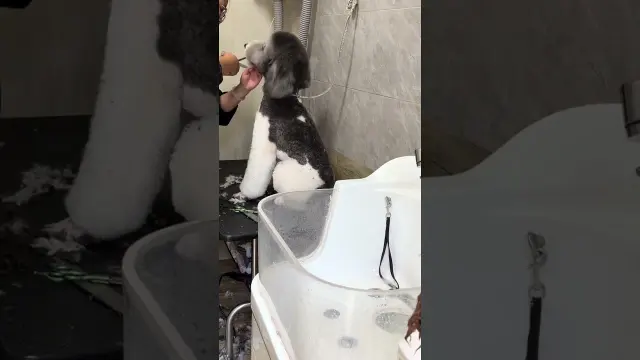 The Magic of Scissors in Professional Pet Styling
 The Relatable Struggle of Finalizing a Dog Haircut
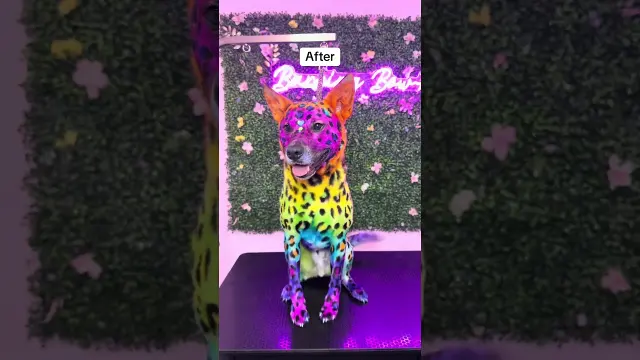 Creative Dog Grooming Before and After Transformations Part Two
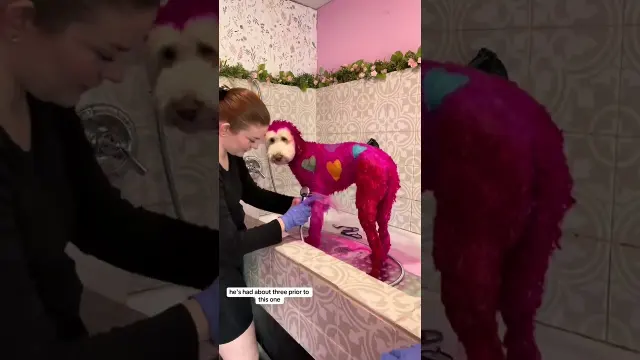 Valentine Themed Creative Dog Grooming Styles Part Two
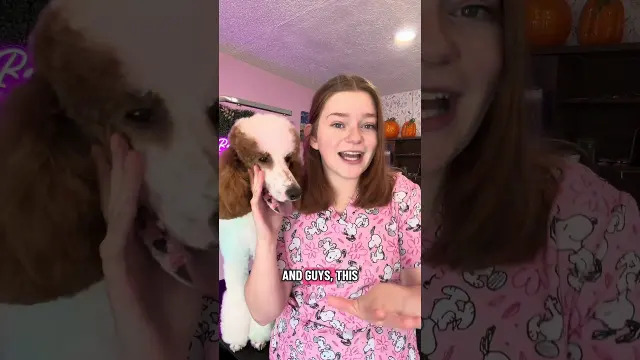 Creative Dog Grooming Classroom Training Session
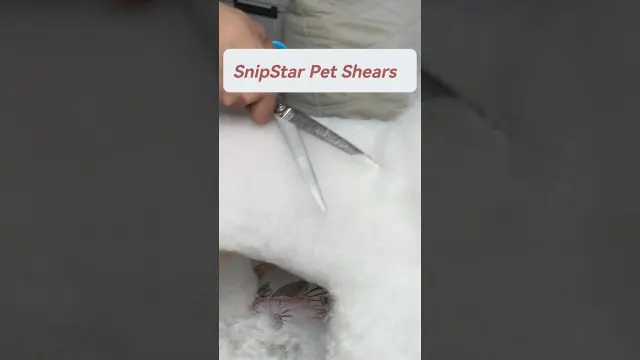 Professional Trimming Process and Scissor Techniques
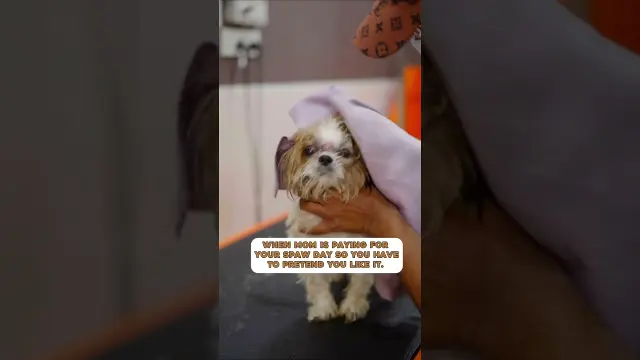 Transforming Dogs from Messy to Majestic With Grooming
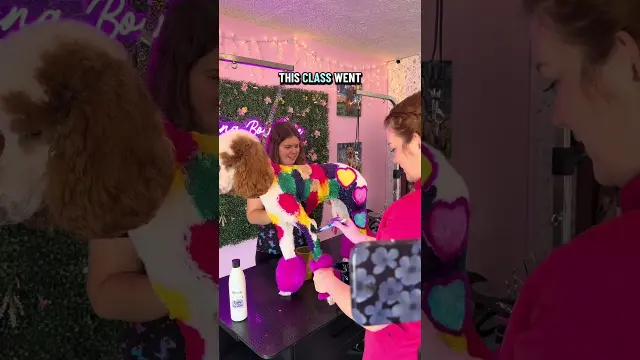 Creative Dog Grooming Seminar and Live Demonstration
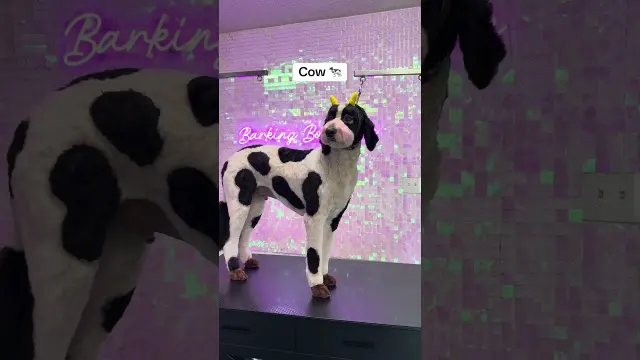 Halloween Creative Dog Grooming Ideas and Inspiration
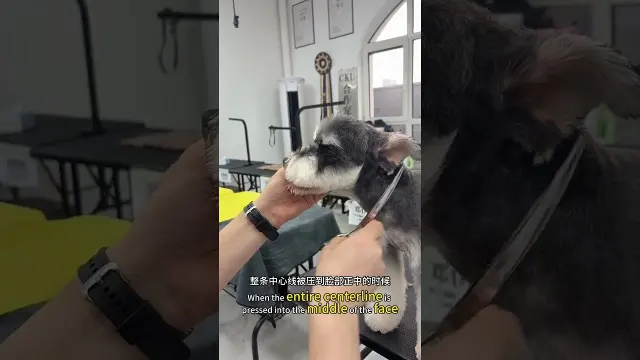 Master the Art of Pet Grooming in Just Three Steps
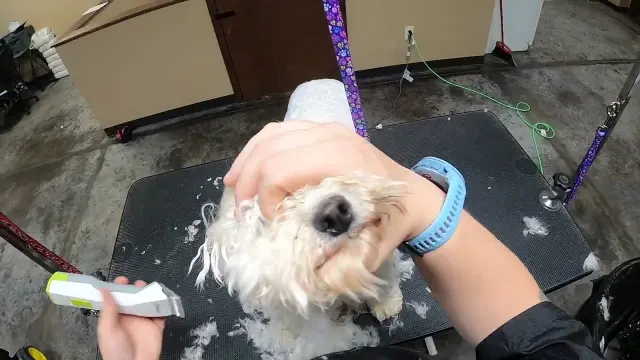 Rescuing and Grooming a Severely Matted Maltese
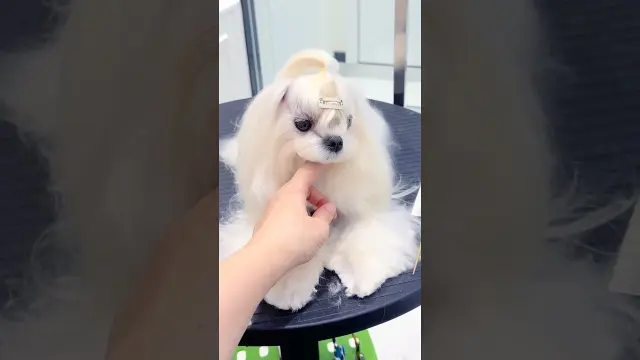 Styling Tips and Tricks for a Beautiful Maltese
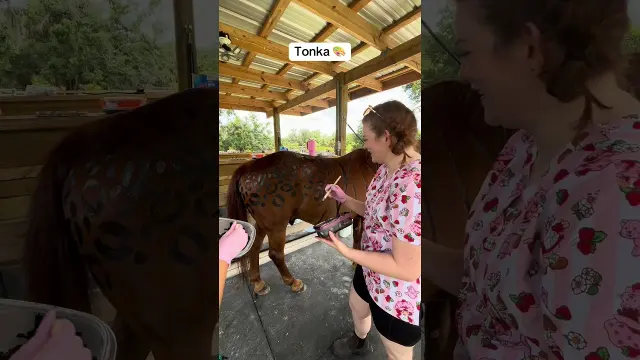 Animal Creative Grooming Colorful Fur Art Inspiration
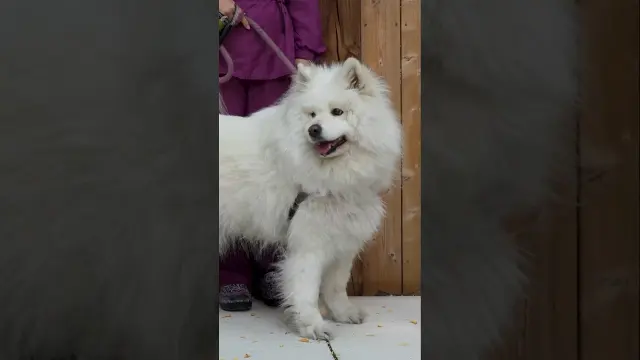 An Amazing and Insane Dog Grooming Transformation
Get new #Pet Styling ideas by email
Every Thursday: the week's best ideas, with the newest from #Pet Styling.
Related tags
Pet Styling Guide for Creative Grooming
Pet styling is the art and care of shaping a pet’s coat, appearance, and overall comfort through grooming. It is most often associated with dogs, but the same idea applies more broadly to pets whose fur, coat, or hygiene needs benefit from regular maintenance. At its best, pet styling is not only about looks. It helps keep the coat clean, manageable, and suited to the animal’s breed, lifestyle, and comfort.
What pet styling includes
Basic pet styling usually combines bathing, brushing, drying, trimming, coat shaping, nail care, ear cleaning, and paw or sanitary trimming when appropriate. For some breeds, styling follows a traditional breed outline. For others, it is more about practical upkeep or a personalized look that suits the pet’s coat type and daily routine.
There are also creative forms of styling, where groomers shape the coat into decorative designs or themed trims. These may be temporary and are usually done with extra care to protect the coat and skin. In every case, the animal’s comfort should come first.
Read more
Common coat types and grooming needs
Different coat types need different approaches. Short coats usually need regular brushing to remove loose hair and support healthy skin. Long coats may require more frequent detangling and careful trimming to prevent mats. Curly or woolly coats often need consistent clipping and shaping to keep them tidy. Double-coated breeds are typically brushed more than clipped, because their coat helps regulate temperature and protect the skin.
If you are new to pet styling, it helps to learn your pet’s coat type before choosing a routine. A style that suits one breed may not suit another.
Main styling techniques
- Brushing and combing: helps remove loose hair and small tangles
- Bathing and drying: keeps the coat clean and easier to work with
- Clipping: shortens the coat evenly for a neat finish
- Scissoring: shapes the coat more precisely, especially around the face, feet, and tail
- De-matting: gently works out knots before they become painful
- Feathering and shaping: creates softer lines on long-coated breeds
- Creative trimming: adds decorative shape or pattern while keeping the pet comfortable
What beginners should know
Start with simple goals. A neat, healthy coat is more important than a complicated style. Use tools that suit the coat type, and work slowly so the pet stays calm. It is better to groom for a short time often than to rush through a long session.
Patience matters. Many pets need time to get used to brushing, bathing, and the sound of clippers or dryers. Short, positive grooming sessions are often the easiest way to build trust. If a coat is badly matted, the pet seems stressed, or you are unsure how to trim safely, a professional groomer can help.
Practical tips for better results
- Brush regularly so tangles do not build up
- Check paws, ears, and under the collar area often
- Keep grooming sessions calm and consistent
- Choose styles that match the pet’s coat and comfort
- Avoid forcing a style that causes discomfort or irritation
- Finish with praise and a gentle routine so grooming feels familiar
Pet styling works best when it balances appearance, hygiene, and wellbeing. When done thoughtfully, it helps your pet look tidy and feel comfortable at the same time.
Videos come from YouTube and posts from Instagram; titles and summaries are our own. All rights belong to their creators.