 Strangers unite to save an exhausted dog from a river
#Pets
17 ideas
Strangers unite to save an exhausted dog from a river
 Hilarious Animals with Dramatic Expressions and Funny Antics
 Interactive Animal Guessing Game for Kids Learning Pet Names
 Funny Pet Reactions And Wildlife Moments
 Funny Animal Videos Featuring Mischievous Cats and Dogs
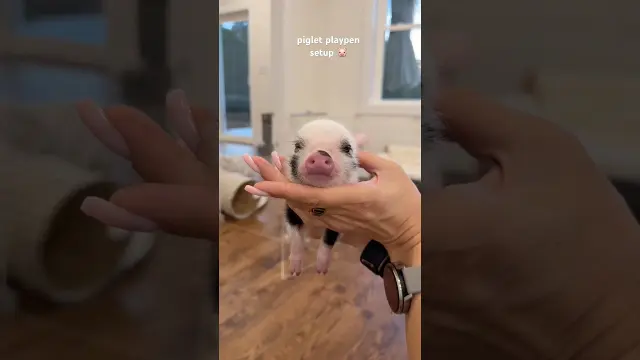 Setting Up a Cozy Playpen for a New Pet Piglet
 Meeting a friendly Saint Bernard named Bailey in the park
 Meet Bailey a four year old Saint Bernard dog
 Ranking the Funniest and Most Unexpected Animal Moments
 Try Not to Laugh Challenge with Silly Cats and Dogs
 A Fun Shopping Trip to the Pet Store with a Ferret
 Adorable Jumping Spiders Showing Their Cute Side
 Pets Discovering Their Custom Plush Stuffed Animal Replicas
 Embracing the everyday chaos of life with a Saint Bernard
 The Funniest Pet Moments and Epic Fails of the Year
 Funny Animal Moments and Reactions Caught on Camera
 A Satisfying Cleaning and Grooming Transformation for a Dirty Dog
Get new #Pets ideas by email
Every Thursday: the week's best ideas, with the newest from #Pets.
Related tags
Pets: Caring for Companion Animals
What pets are
Pets are animals kept for companionship, comfort, enjoyment, or shared daily life. People have lived with animals for thousands of years, and pets can be found in many cultures around the world. Some are chosen for their gentle nature, some for their lively personality, and some for the simple pleasure of caring for another living creature.
The most common pets are dogs and cats, but many homes also include rabbits, guinea pigs, birds, fish, reptiles, and other small animals. Each kind of pet has its own needs, habits, and way of communicating. Understanding those differences is the key to good care.
Choosing a pet
Read more
Before bringing a pet home, think about your space, time, budget, and daily routine. A pet should fit your life, not the other way around. Some animals need regular walks, social contact, or daily grooming. Others need quiet spaces, special housing, or careful temperature control.
It helps to ask yourself:
- How much time can I give every day?
- Do I want an active pet or a calmer one?
- Will the pet be around children or other animals?
- Can I provide food, cleaning, and vet care consistently?
- Is my home suitable for this type of animal?
Adopting a pet also means planning for long-term care. Many animals live for years, so it is worth thinking beyond the first excitement.
Basic care and routine
All pets need a safe place to rest, fresh water, suitable food, and regular attention. Cleanliness matters too: bedding, litter, cages, tanks, or feeding areas should be kept in good condition. A predictable routine often helps animals feel secure.
Exercise and enrichment are important for many pets. This can mean walks, playtime, climbing spaces, toys, chewing items, scratching posts, or simple chances to explore safely. Mental stimulation is just as valuable as physical activity.
Health care should be part of the routine. Regular checkups, parasite prevention where appropriate, and prompt attention to changes in appetite, energy, or behavior can make a big difference. If something seems unusual, it is always sensible to ask a qualified veterinarian.
Training and behavior
Training is useful for many pets, especially dogs, but most animals benefit from gentle, consistent guidance. Rewarding good behavior usually works better than harsh correction. Clear rules and repetition help pets learn what is expected.
Try to notice body language. A wagging tail, pinned ears, raised feathers, hiding, restlessness, or sudden silence can all signal emotion or discomfort depending on the animal. Learning your pet’s normal habits makes it easier to spot problems early.
Living well with pets
The best pet relationships are built on patience, routine, and respect. Not every animal is naturally cuddly, and that is perfectly normal. Some pets prefer space; others seek closeness. When you let the animal set the pace, trust usually grows.
A few practical tips can help:
- Introduce new people and animals slowly.
- Keep dangerous foods, wires, and small objects out of reach.
- Use safe, species-appropriate toys and bedding.
- Provide quiet time as well as playtime.
- Learn the needs of your specific pet rather than assuming all animals are the same.
Pets can bring warmth, structure, and companionship to daily life. When you understand their needs and treat them with care, you create a calmer and happier home for both of you.
Videos come from YouTube and posts from Instagram; titles and summaries are our own. All rights belong to their creators.