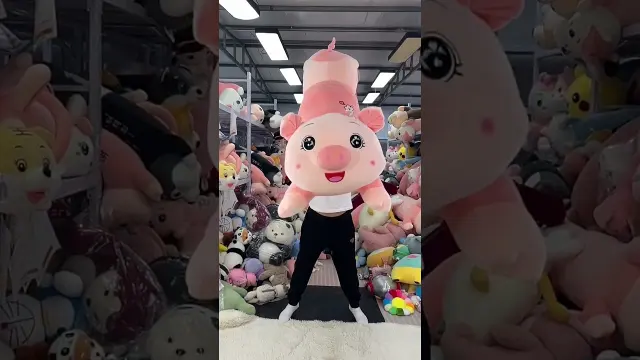
 Cute Pig Plush Toy Showcase
#Pig Plush
1 ideas
Cute Pig Plush Toy Showcase
Get new #Pig Plush ideas by email
Every Thursday: the week's best ideas, with the newest from #Pig Plush.
Related tags
Pig Plush: A Soft Guide to Stuffed Pig Toys
A pig plush is a soft toy shaped like a pig, sewn from fabric and stuffed to give it a rounded, huggable body. What makes the shape recognisable is a small cluster of features: a broad snout, often with two stitched nostrils, triangular or floppy ears, a curled tail and four short legs. Because a pig's body is naturally round and low to the ground, it translates into a stuffed toy almost without alteration, which is part of why pig plush toys look so contented sitting on a shelf or a bed.
Soft stuffed toys themselves grew out of the broader toy trade of the industrial era, when cloth bodies, mohair and later synthetic fibres made cuddly animals affordable and common in nurseries. Pigs arrived through the farmyard: toy barns, animal sets and picture-book stories gave children a familiar cast of characters, and the pig — muddy, cheerful, sociable — earned a place among them. In many cultures the pig also carries associations of plenty and good fortune, which gives a pig plush a second life as a small gift or keepsake.
Styles and kinds
- Realistic pigs, with spotted or solid coats and carefully shaped snouts, aimed at older children and collectors.
- Cartoon and character pigs, with exaggerated heads, big eyes and simplified bodies, closer to a storybook drawing.
- Poseable or floppy designs: sitting, lying down, or long-limbed and draping.
- Weighted plush, filled partly with beads so it rests heavily in the lap.
- Handmade pigs, sewn from felt, fleece or cotton, or crocheted in the round as amigurumi.
- Musical or squeaking toys with a small sound unit inside the stuffing.
Read more
Choosing one
Look at the seams first: they should be tight, evenly stitched and free of loose threads, especially around the ears and tail where fabric is pulled. Check how the face is finished — embroidered eyes and nostrils are safer for very young children than small plastic parts, which can work loose over time. Squeeze the body: good filling springs back without lumpy patches. For a baby or toddler, follow the age guidance on the label and avoid anything with ribbons or button details.
Caring for a pig plush
- Read the care label before washing; many plush toys are surface-wash only.
- Spot-clean with a barely damp cloth and a little mild soap, then air dry away from direct heat.
- If machine washing is allowed, use a gentle cycle, a laundry bag and low heat, and reshape the toy while it is still damp.
- Brush the pile once dry to restore softness, and keep plush out of long, direct sunlight to slow fading.
If you would like to make one yourself, a pig is a forgiving first project: simple rounded pattern pieces, felt or fleece that does not fray, and a face you can embroider by hand. Start with a small pig to learn the shape, then scale the pattern up.
#Pig Plush: frequently asked questions
How do I start making a pig plush if I've never sewn before?
A pig is one of the friendlier shapes to begin with, because the body is basically a round, low form that needs only simple pattern pieces rather than tight curves or joints. Cut your pieces from felt or fleece, which hold their shape and don't fray at the edges, and sew the body first so you understand how the shape closes before you add the face. Start with a small pig to learn the proportions, then enlarge the same pattern once you're comfortable.
What materials and tools do I need to make a pig plush?
You'll want a soft fabric such as fleece, felt or cotton, stuffing for the body, thread, a needle or sewing machine, and something for the features, usually embroidery floss for the eyes and nostrils. A pair of sharp scissors, pins and a fabric marker for tracing the pattern make the work much easier. If you want a weighted or musical version, you'll also need beads or a small sound unit to sit inside the stuffing.
Which style of pig plush should I choose?
It depends on who it's for: realistic pigs with shaped snouts and spotted or solid coats suit older children and collectors, while cartoon pigs with big heads and simple bodies read more like a storybook character. If the toy is meant to be held and carried, look at floppy or poseable designs, or a weighted one that sits heavily in the lap. Handmade and crocheted pigs are a good choice when you want something that feels individual rather than mass-produced.
How do I clean a pig plush without ruining it?
Check the care label first, since many plush toys are surface-wash only and washing them can distort the filling or the face. Spot-clean with a barely damp cloth and a little mild soap, then let it air dry away from direct heat, and brush the pile once it's dry to bring back the softness. If the label allows machine washing, use a gentle cycle inside a laundry bag on low heat and reshape the toy while it's still damp.
What are common mistakes to avoid when buying or sewing a pig plush?
The most frequent problem is loose finishing: seams that aren't tight, threads left hanging, or features attached around the ears and tail where the fabric is pulled. Small plastic eyes and noses are another weak point, since they can work loose over time, so embroidered faces are the safer choice for very young children. Also avoid buying on looks alone without squeezing the body, because good filling springs back smoothly instead of leaving lumpy patches.
Is a pig plush a good gift, and for what occasions?
It works well as a small gift because the pig carries associations of plenty and good fortune in many cultures, which gives it a meaning beyond being just a soft toy. A handmade or weighted pig suits a housewarming, a birth or a birthday, while a character-style pig appeals as a cheerful everyday present. If you're giving it to a baby or toddler, follow the age guidance on the label and choose one without ribbons or button details.
Videos come from YouTube and posts from Instagram; titles and summaries are our own. All rights belong to their creators.