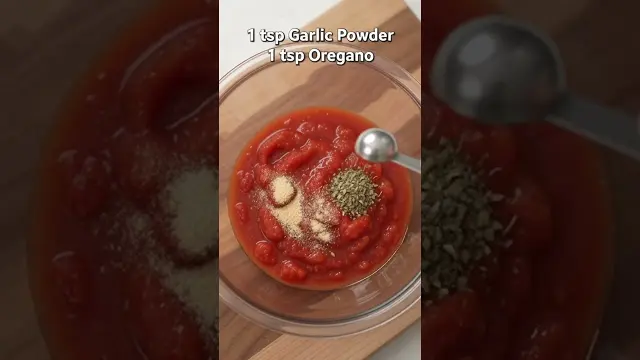
 No-Cook Pizza Sauce From Pantry Staples in Minutes
#Pizza Sauce
1 ideas
No-Cook Pizza Sauce From Pantry Staples in Minutes
Get new #Pizza Sauce ideas by email
Every Thursday: the week's best ideas, with the newest from #Pizza Sauce.
Related tags
Pizza Sauce: A Guide to Styles, Technique and Tips
Pizza sauce is the layer of seasoned tomato that sits between the dough and the cheese on most pizzas. It is not the same as the tomato sauce sold for pasta: it is usually thicker, more concentrated, and seasoned with pizza in mind rather than with a slow-simmered ragù. Its job is to bring acidity and sweetness that cut through melted cheese and rich toppings, without turning the base soggy.
Tomatoes are the foundation. Cooked, whole peeled tomatoes are the common choice because they are dense and sweet; crushed and passata-style tomatoes are also widely used, and some cooks prefer them for their smoother texture. Fresh tomatoes work too, but they carry much more water, so they usually need draining or a short cook before they go anywhere near a dough.
The main styles
- Raw, uncooked sauce. The Neapolitan approach: crushed tomatoes with a little salt, perhaps olive oil and basil, spread thinly and left to cook only in the oven. It tastes bright and fresh.
- Cooked sauce. Tomatoes simmered briefly with garlic, oregano, olive oil and sometimes onion. Richer and more savoury, and a good match for longer bakes and home ovens.
- Chunky sauces. Coarsely crushed or diced tomatoes left with visible texture, often used on thick, deep-pan styles where a heavier layer of sauce can be supported.
- Concentrated pastes. Tomato paste thinned and seasoned, useful when you want intense flavour without extra liquid.
Read more
What beginners should know
The most common mistake is making the sauce too wet. Water is the enemy of a crisp base, so drain tomatoes if they look watery, keep the layer thin, and resist the urge to add stock, wine, or a lot of liquid.
Seasoning matters more than the recipe. Salt brings out sweetness; a pinch of sugar can rescue tomatoes that taste sharp, but add it gradually. Oregano and dried basil are the familiar herbs, though dried herbs benefit from a few minutes in a warm pan with oil before the tomatoes go in. Fresh basil is usually better added near the end or after cooking, so it keeps its perfume.
Acidity and sweetness should end up balanced. Taste the sauce on its own, then remember it will be tasted with salty cheese and bread — a sauce that seems slightly bold alone often reads as flat once baked.
Practical tips
- Cooked sauce does not need long simmering. Twenty minutes or so is enough for the flavours to come together; longer cooking dulls the freshness.
- Let a cooked sauce cool before spreading it, so it does not start cooking the dough.
- Make more than you need. Sauce keeps well in the fridge for a few days and freezes cleanly in small portions.
- Keep it simple. A good pizza sauce is tomatoes, salt, oil and herbs — toppings and cheese supply the rest.
#Pizza Sauce: frequently asked questions
Do I have to cook pizza sauce before putting it on the pizza?
No — a raw sauce of crushed tomatoes, salt, olive oil and maybe basil is a classic approach that cooks only in the oven, and it keeps a bright, fresh flavour. Cooking the sauce briefly gives a rounder, more savoury result that suits home ovens and longer bakes. Either works; pick the one whose flavour you prefer, since both will bake along with the pizza.
What tomatoes should I use for pizza sauce?
Dense, sweet tinned tomatoes — whole peeled, crushed or passata-style — are the most reliable base, because they carry less water than fresh ones. Fresh tomatoes are fine but need draining or a short cook first, otherwise they release liquid that softens the base. What matters most is that the tomatoes taste good on their own.
How thick should the sauce layer be?
Thin. A light layer is enough to give acidity and sweetness without soaking the dough, especially under wet toppings or a lot of cheese. If your sauce looks watery, drain the tomatoes or simmer it down before spreading.
How do I stop my pizza sauce from being too sharp or too bland?
Taste the sauce by itself and adjust with salt first, since salt brings out the tomato's sweetness, then add a pinch of sugar gradually if it still tastes sharp. Remember it will be eaten with salty cheese and bread, so a sauce that seems slightly bold alone usually tastes right once baked. Dried oregano and basil help, but fresh basil is better added at the end so it keeps its perfume.
Can I make pizza sauce ahead of time, and how do I store it?
Yes, and it is worth making extra — the sauce keeps in the fridge for a few days and freezes well in small portions. Let a cooked sauce cool completely before spreading it, so it doesn't begin cooking the dough. Small frozen portions thaw quickly for a last-minute pizza.
What's the biggest mistake beginners make with pizza sauce?
Making it too wet, and adding things it doesn't need. Skip stock, wine and other liquids, keep the layer thin, and let tomatoes, salt, oil and herbs do the work — the cheese and toppings supply the rest of the flavour.
Videos come from YouTube and posts from Instagram; titles and summaries are our own. All rights belong to their creators.