 A Slow Wander Through Plaka, Athens' Oldest Neighborhood
#Plaka
2 ideas
A Slow Wander Through Plaka, Athens' Oldest Neighborhood
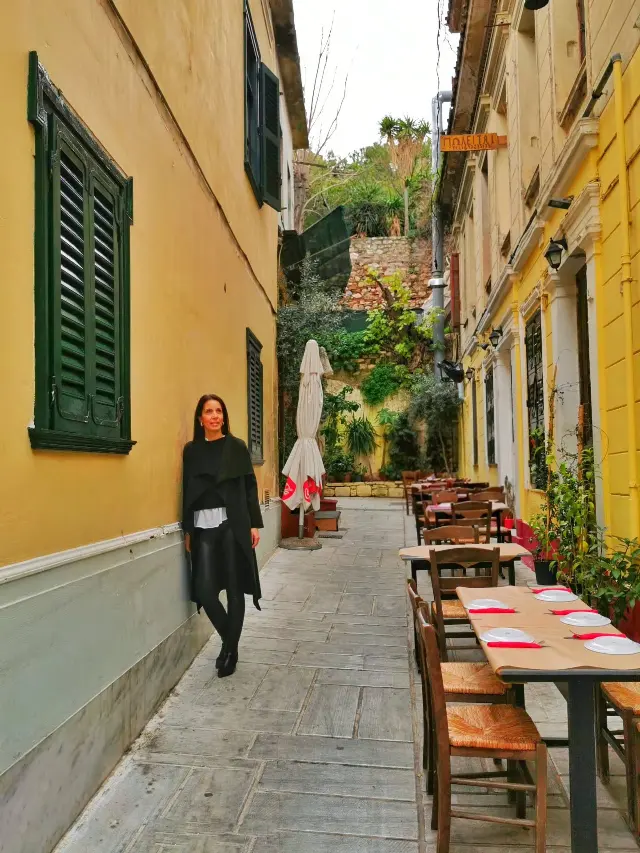 Wandering the Charming Streets and Alleys of Plaka in Athens
Get new #Plaka ideas by email
Every Thursday: the week's best ideas, with the newest from #Plaka.
Related tags
Plaka: A Guide to Athens' Oldest Neighbourhood
Plaka is the old neighbourhood that clings to the northern and eastern slopes of the Acropolis in Athens, a maze of narrow lanes, low houses and small squares that has been lived in for a very long time. Greeks often call it the "neighbourhood of the gods", and walking through it feels like stepping out of the modern city into something older and slower, even though the busy avenues of central Athens are only minutes away.
Where it comes from
The area grew up around the rock of the Acropolis and has been continuously inhabited since antiquity. Much of what you see today, though, was shaped later: the small churches, the Ottoman-era houses that survive here and there, and the elegant neoclassical buildings put up in the nineteenth century, when Athens became the capital of the new Greek state. Plaka was already a favourite corner of the city then, and it has kept that character through decades of rebuilding and restoration.
What to look for
Read more
The pleasure of Plaka is in wandering rather than ticking off sights, but a few places are worth seeking out.
- The Roman Agora and the Tower of the Winds, a remarkably well-preserved ancient clocktower with carvings of the winds on its faces.
- The Choragic Monument of Lysicrates, a small marble monument that once supported a bronze tripod prize for a theatrical contest.
- The little Byzantine churches scattered between the houses, often squeezed into courtyards or standing quietly at the end of an alley.
- The Museum of Greek Folk Art and other small collections that tell the story of everyday life in the region.
- Adrianou Street, one of the old commercial streets, lined with shops and cafés.
Anafiotika
Above the main lanes, on the slope of the Acropolis itself, sits Anafiotika, a tiny cluster of whitewashed houses with blue doors and flowering courtyards. It was built by craftsmen who came from the island of Anafi to work in Athens and recreated something of their island home on the hillside. It is a residential area, so walk quietly, keep to the paths and respect the people who live there.
Practical advice for a first visit
Plaka is best explored on foot and without a strict plan. Wear shoes that cope with worn stone steps and uneven paving, because the lanes climb and twist. Come early in the morning, when the streets are quiet and the light on the Acropolis is soft, or in the evening when the tavernas fill up and music drifts out of the doorways. Carry water in the warmer months, as there is little shade on the upper paths.
Remember that this is a living neighbourhood, not only a sightseeing district: many people have their homes and shops here. A little courtesy — asking before photographing people, keeping your voice down in the courtyards — goes a long way, and it is how most visitors find themselves welcomed.
#Plaka: frequently asked questions
How should I start exploring Plaka?
Start on foot from the main lanes near Adrianou Street and let yourself drift uphill without a fixed route, since the pleasure of the area is in wandering rather than ticking off sights. Choose one or two landmarks to aim for — the Roman Agora, a small Byzantine church, the little marble monument to a theatrical prize — and treat everything between them as the real destination. Early morning and evening are the calmest and prettiest times to begin.
What should I bring or wear for a walk through Plaka?
Wear shoes with a proper sole, because the lanes climb, twist and are paved with worn stone steps that are slippery in places. Carry water in the warmer months, as shade thins out on the upper paths toward the Acropolis slope. A light layer and a camera are about all else you need — the neighbourhood is compact and you are never far from a café or a bench.
Which part of Plaka is best to choose if I only have a short time?
If you want the classic picture of the neighbourhood, head for Anafiotika, the cluster of whitewashed houses with blue doors built on the hillside by island craftsmen. If you would rather have shops, food and people-watching, stay on the lower commercial streets around Adrianou. Both are close together, so a short visit can comfortably take in a bit of each.
How can I visit Plaka respectfully, since people live there?
Treat the lanes as someone's street rather than a set, keeping your voice down in courtyards and asking before photographing people. Anafiotika in particular is a residential corner, so stay on the paths and don't wander into doorways or gardens. Small courtesies like these are usually what turn a visitor into a welcome guest.
What are the common mistakes first-time visitors make in Plaka?
The usual ones are planning too tight a schedule, arriving in the heat of the middle of the day, and wearing footwear that can't handle uneven paving. Another is treating the district purely as a sightseeing zone and forgetting that many of the doorways you pass are homes and working shops. Slow down, drop the checklist and the neighbourhood rewards you far more.
Is Plaka a good setting for a special occasion, like a romantic evening or a photography walk?
Yes — the narrow lanes, small squares and lit-up Acropolis above make it a natural backdrop for both. In the evening the tavernas fill and music drifts into the streets, which suits a slow dinner; in the early morning the empty alleys and soft light suit photography. Either way, keep the plan loose so the atmosphere does the work.
Videos come from YouTube and posts from Instagram; titles and summaries are our own. All rights belong to their creators.