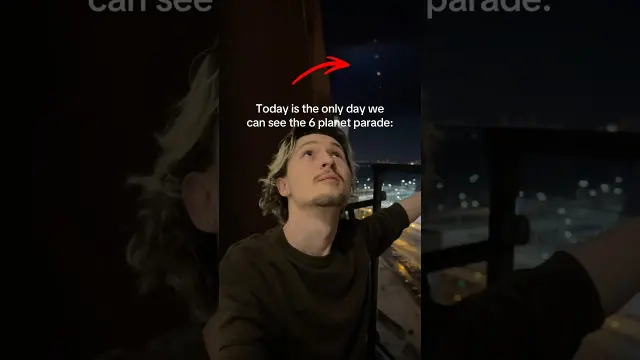
 Stunning Visual Of A Six-Planet Parade In The Night Sky
#Planet Parade
16 ideas
Stunning Visual Of A Six-Planet Parade In The Night Sky
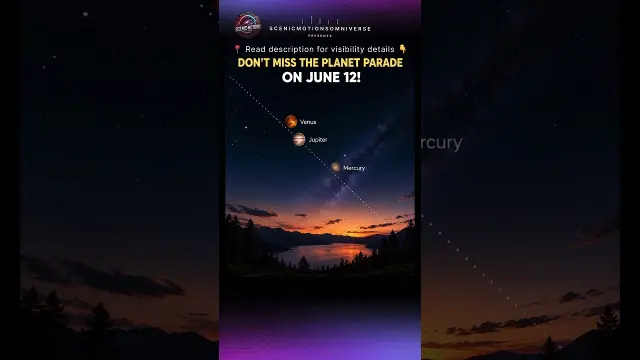 How To Spot Mercury, Venus, And Jupiter Sharing The Evening Sky
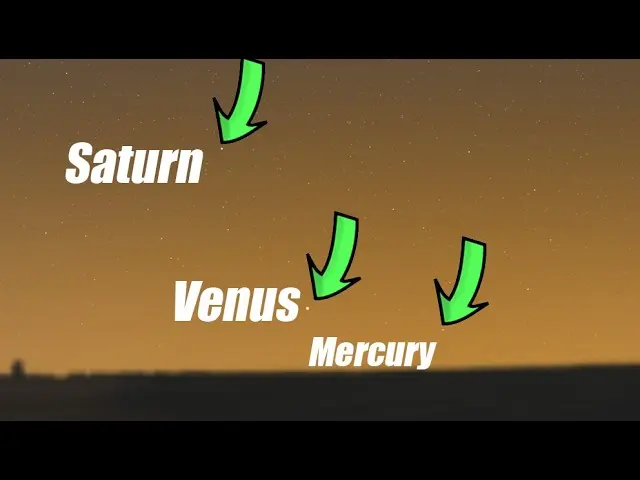 What The 2026 Planetary Parade Will Actually Look Like
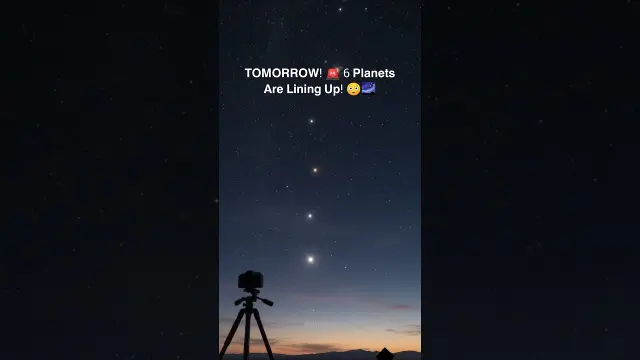 Six Planets Align In The Pre-Dawn Morning Sky
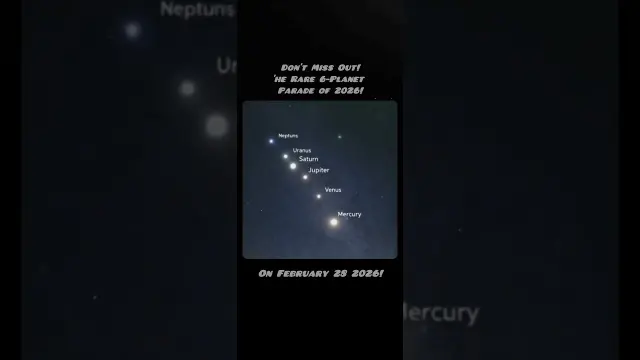 Everything To Know About The Rare Six-Planet Parade Of 2026
 Do Planets Actually Line Up During A Planet Parade
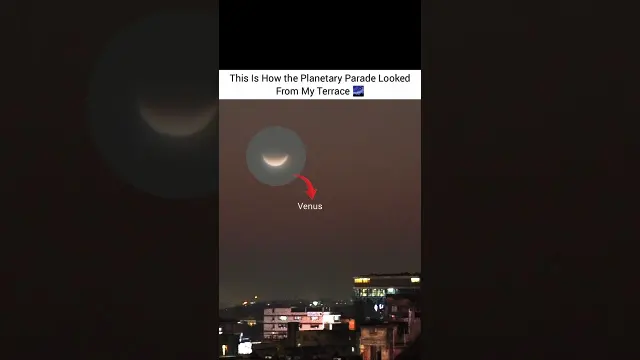 Rare Planetary Parade With Jupiter, Venus, And Saturn
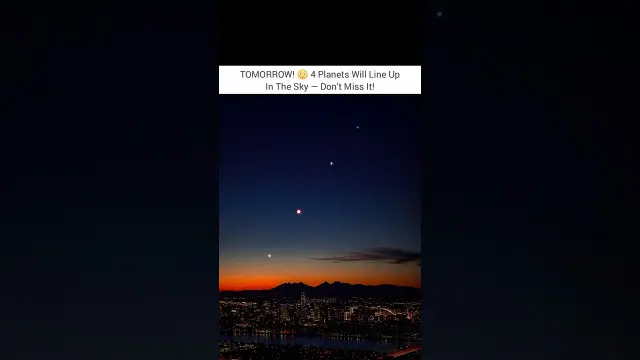 Four Planets Line Up Before Sunrise In April 2026
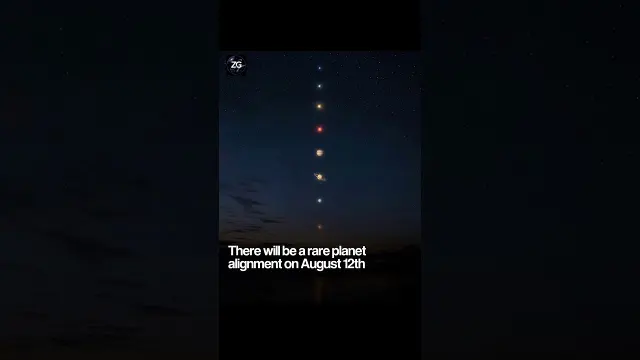 A Rare Six-Planet Alignment Occurring On August 12, 2026
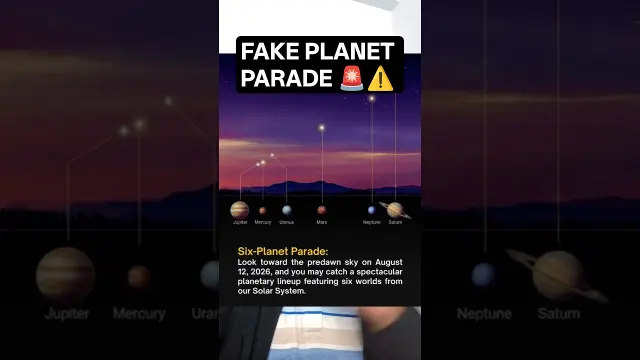 Debunking The Fake Planetary Alignment Alert For August 12
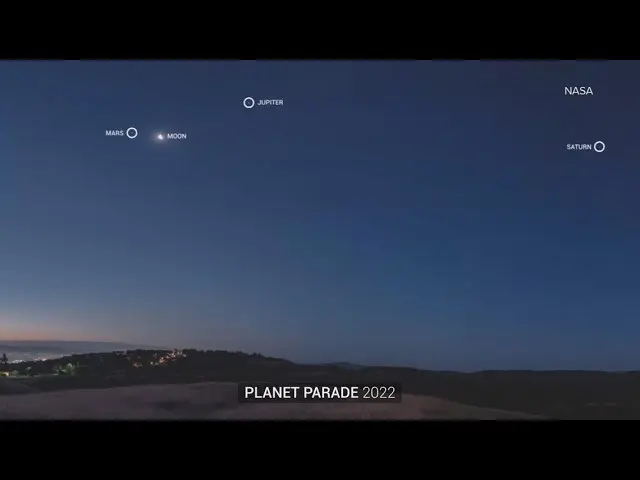 Six Planets Line Up In Rare Planetary Parade
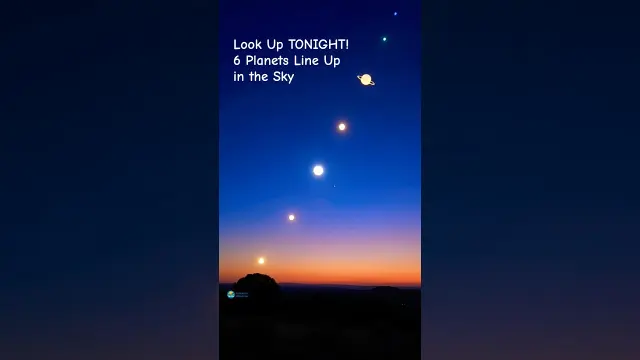 Spot Six Planets Lining Up In The Evening Sky
 A Closer Look At Rare Planetary Alignments In The Sky
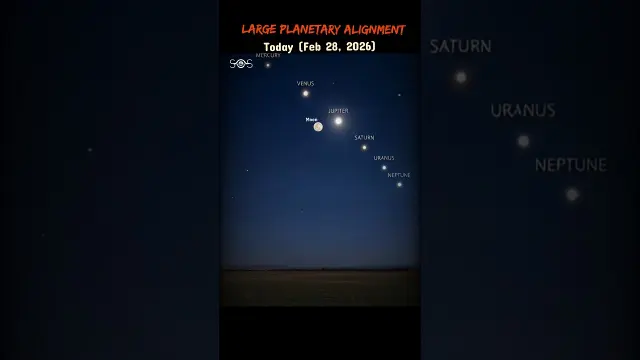 Witnessing A Rare Six-Planet Alignment In The Night Sky
 Six Planets Align In A Rare Morning Sky Parade
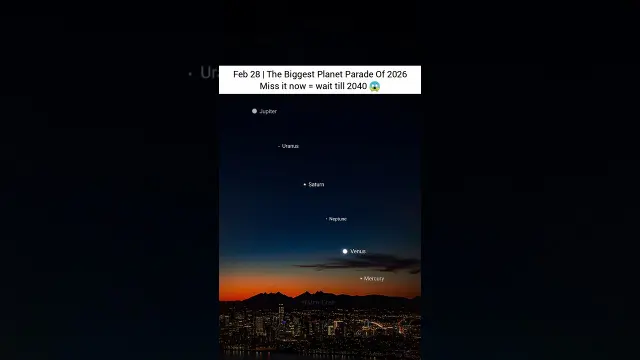 Six Planets Line Up In A Rare Evening Sky Parade
Get new #Planet Parade ideas by email
Every Thursday: the week's best ideas, with the newest from #Planet Parade.
Related tags
Planet Parade: a guide to planetary alignments
What a planetary parade is
A planetary parade is a popular name for the way several planets can appear in the same part of the sky at once. It is not a formal scientific term, but it captures the idea well: from Earth, the planets seem to gather in a line or a loose arc across the sky. This happens because all the planets in our solar system orbit the Sun in nearly the same flat plane, so from our viewpoint they stay close to the path the Sun follows through the sky.
Because the planets move at different speeds, these groupings come and go. Sometimes only two or three planets are visible together, and sometimes more can be seen in a broad sweep across the sky. The planets do not truly line up in a straight line in space; they only appear that way when viewed from Earth.
Why it happens
Read more
The planets all travel around the Sun in the same general direction, each on its own orbit. Since we observe them from one moving planet, their positions shift continually relative to one another. At certain times, several planets can be seen on the same side of the Sun from our viewpoint, which creates the impression of a parade.
This is also why planetary gatherings often happen near sunrise or after sunset. Some planets are best seen in the evening sky, while others are visible before dawn, depending on where they are in their orbits.
What you can see
A planetary parade may include bright planets such as Venus, Jupiter, Saturn, Mars, or Mercury. Not every planet will always be easy to spot. Some are bright enough to see without equipment, while others are faint or close to the Sun and harder to notice.
What you actually see depends on several things:
- the time of year
- your location on Earth
- the brightness of the planets involved
- the clarity of the sky
- how far each planet is from the Sun in the sky
How to observe it
If you want to enjoy a planetary parade, start by choosing a clear horizon and a dark, open sky. A view with little light pollution helps a great deal. Early morning and evening are often the best times, depending on when the planets are visible.
A few practical tips:
- Give your eyes time to adjust to the dark.
- Look along the ecliptic, the path the Sun, Moon, and planets seem to follow.
- Use a sky map or astronomy app to help identify the planets.
- Binoculars can help with fainter planets, but do not use them too close to the Sun.
- Be patient, since planets may appear low in the sky and can be easy to miss.
What beginners should know
A planetary parade is a beautiful viewing opportunity, but it is not a rare cosmic event in the dramatic sense the phrase sometimes suggests. Planets often gather in the same region of the sky, and the real pleasure is in learning to recognize them. Once you know how to spot one or two bright planets, it becomes much easier to follow the others.
If you are new to skywatching, the best approach is simple: go outside, look up, and let your eyes adjust. A planetary parade is one of the easiest ways to begin exploring the night sky, because it connects familiar bright lights with the motion of our solar system.
Videos come from YouTube and posts from Instagram; titles and summaries are our own. All rights belong to their creators.