 Stunning Visual Of A Six-Planet Parade In The Night Sky
#Space
12 ideas
Stunning Visual Of A Six-Planet Parade In The Night Sky
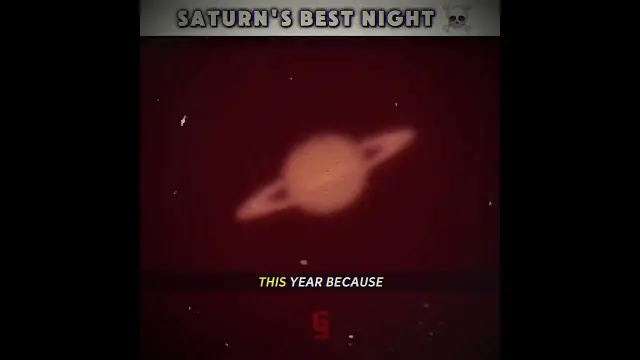 Preparing for Saturn's Opposition Event
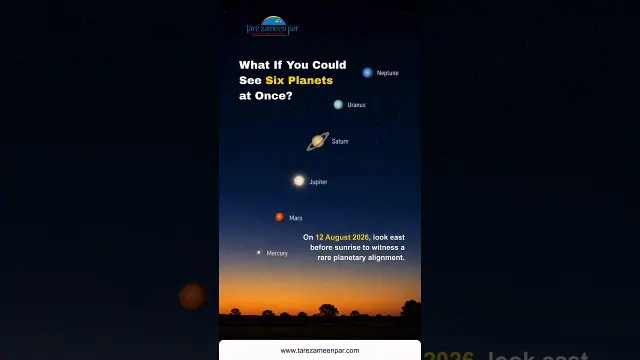 Witness Six Planets At Once In August 2026
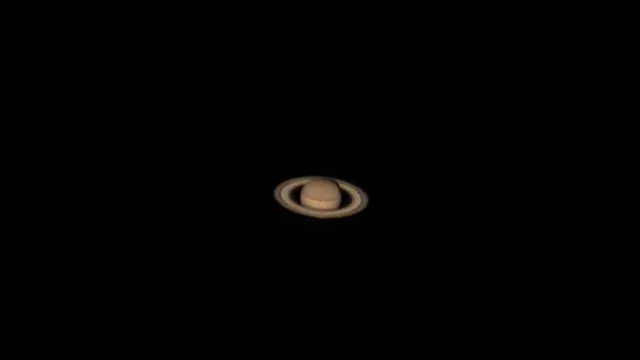 Exploring the Enigmatic Features of Saturn
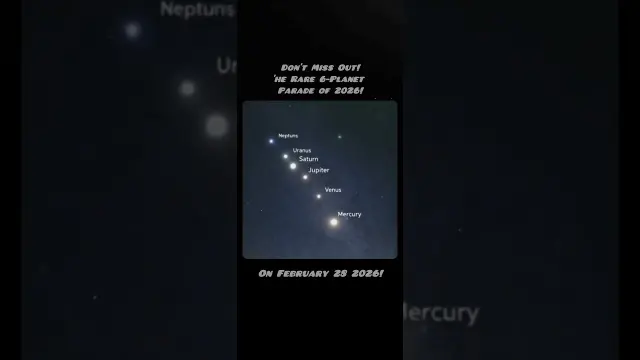 Everything To Know About The Rare Six-Planet Parade Of 2026
 Listening to the Eerie Sound of Saturn
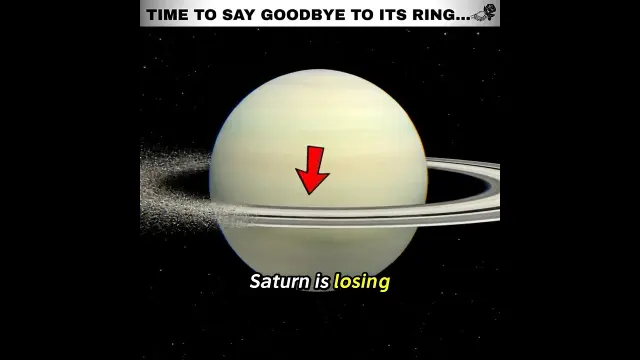 Cassini Discovery About Saturn's Ring Rain
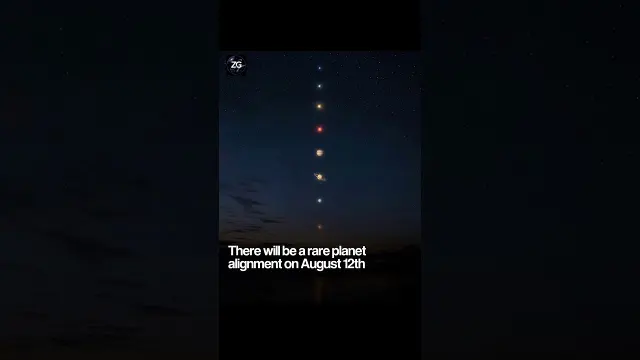 A Rare Six-Planet Alignment Occurring On August 12, 2026
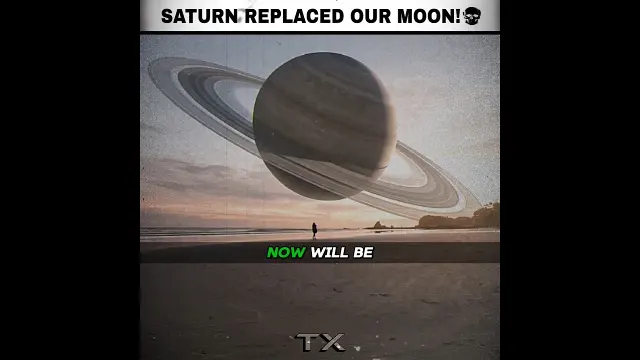 What Would Happen If Saturn Replaced the Moon
 A Closer Look At Rare Planetary Alignments In The Sky
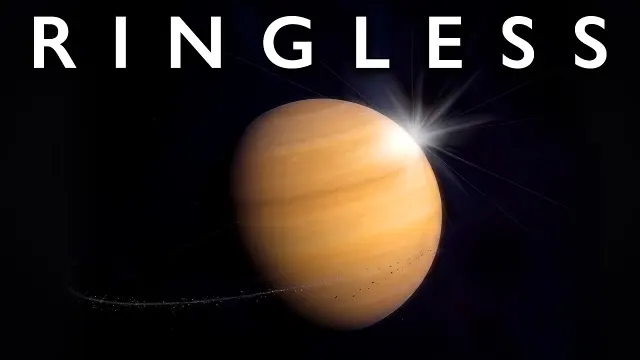 How Saturn's Ring System Formed Recently
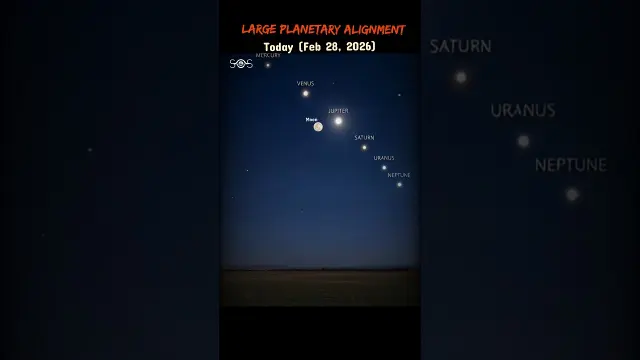 Witnessing A Rare Six-Planet Alignment In The Night Sky
Get new #Space ideas by email
Every Thursday: the week's best ideas, with the newest from #Space.
Related tags
Space: a guide to the universe
Space is the vast region beyond Earth’s atmosphere, where planets, moons, stars, nebulae, galaxies, and countless other objects exist. It is often called outer space, and for most people it represents both scientific curiosity and a sense of wonder. Humans have looked up at the night sky for as long as we have recorded history, using it for navigation, storytelling, calendars, and scientific discovery.
What space includes
Space is not empty in the simple sense. It contains light, dust, gas, radiation, magnetic fields, and all the structures formed by gravity. Our own Solar System is part of a much larger universe made up of billions of galaxies. Within that universe, space can range from the near-Earth environment, where satellites orbit, to the deep regions between stars and galaxies.
Why space matters
Read more
Studying space helps us understand where we come from and how the universe works. Astronomers learn about the birth and death of stars, the movement of planets, the conditions that may allow life, and the history of galaxies. Space science also has practical value on Earth, supporting communication, weather forecasting, navigation, and environmental observation.
Main parts of space to know
If you are new to the topic, it helps to begin with a few basic ideas:
- Planets are large bodies that orbit stars.
- Moons orbit planets.
- Stars are hot spheres of gas that produce their own light.
- Asteroids and comets are smaller bodies left over from the formation of a solar system.
- Galaxies are huge collections of stars, gas, dust, and dark matter held together by gravity.
Our Solar System is a good starting point because it is the part of space we know best. From there, you can move outward to learn about stars, constellations, and distant galaxies.
How space is explored
People study space in several ways. Telescopes collect light and other forms of radiation from distant objects. Spacecraft and probes travel beyond Earth to observe planets, moons, and other bodies directly. Satellites orbit Earth and help gather information about weather, mapping, and communication. Some missions carry instruments that analyze rock, dust, and atmosphere, while others simply take images that help scientists compare and classify objects.
What to keep in mind as a beginner
Space can feel overwhelming at first because it is so large. A good way to learn is to focus on one layer at a time: Earth, the Moon, the planets, then stars and galaxies. It also helps to remember that many space images are color-adjusted or combined from different kinds of data, so they are both scientific and interpretive.
A practical way to enjoy the subject
You do not need special equipment to start. Looking at the night sky, learning a few constellations, or following the phases of the Moon can make space feel more familiar. If you want to go further, books, planetarium visits, and astronomy guides can help you build your knowledge step by step.
Videos come from YouTube and posts from Instagram; titles and summaries are our own. All rights belong to their creators.