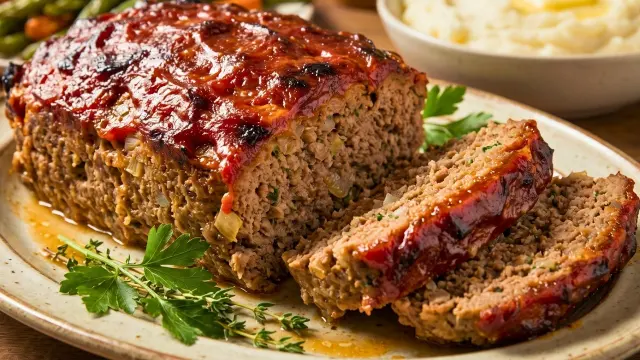
 Vegan Meatloaf Made With Tofu, Chickpeas and Mushrooms
#Plant Based Dinner
1 ideas
Vegan Meatloaf Made With Tofu, Chickpeas and Mushrooms
Get new #Plant Based Dinner ideas by email
Every Thursday: the week's best ideas, with the newest from #Plant Based Dinner.
Related tags
Plant-Based Dinner: A Beginner's Guide
A plant-based dinner is an evening meal built around ingredients that come from plants: vegetables, grains, legumes, nuts, seeds, fruits and fungi. The term is deliberately broad. It describes a way of eating rather than a strict set of rules, which is why it sits comfortably alongside vegetarian and vegan cooking without being identical to either. Some people eat this way every night; others keep a few plant-based dinners in rotation and leave the rest of the week alone. Both are the same idea.
The tradition is older than any label. Most of the world's kitchens have long built their evening meals from pulses, grains and vegetables, from lentil stews and bean braises to rice bowls, noodle soups and flatbreads with dips. What feels new is mainly the vocabulary, and the willingness of home cooks to treat these dishes as the main event rather than a side.
Building a plate that satisfies
The most common mistake is treating vegetables as a reduced version of a meat dish. Instead, think in components:
Read more
- A protein anchor: beans, lentils, chickpeas, tofu, tempeh, split peas, nuts or seeds.
- A grain or starchy base: rice, pasta, bread, potatoes, couscous, quinoa or noodles.
- Plenty of vegetables, cooked properly and seasoned well.
- A sauce or dressing to tie everything together.
- Something with crunch, freshness or acidity to finish.
When one of those is missing, meals tend to feel flat, and you leave the table looking for something else.
Protein without fuss
Plant proteins are easy to work with once you know their habits. Legumes benefit from thorough cooking and generous seasoning; canned versions are a fine shortcut. Tofu takes on flavour best when pressed and browned before it meets a sauce. Tempeh is firmer and nuttier, and holds up well to braising. Whole grains, nuts, seeds and even vegetables all contribute, so a meal does not need a single dramatic centrepiece to be nourishing.
Flavour and texture
Depth is what makes plant-based cooking convincing. Mushrooms, tomato paste, miso, soy sauce, roasted garlic, caramelised onions and toasted spices all give savoury weight. Acid is just as important: a squeeze of lemon, a splash of vinegar or a spoonful of something pickled wakes up a heavy dish.
Texture matters too. Aim for two or three at once: something soft, something crisp, something chewy. A tray of roasted vegetables, a pot of beans and a handful of toasted seeds does more for a meal than any imitation product.
Practical habits
Cook more legumes and grains than you need; they keep well and become tomorrow's lunch. Keep a well-stocked spice shelf and a few tins in the cupboard for nights when you have no plan. Salt at each stage rather than at the end. And taste as you go, adjusting acid and salt until the dish stops tasting like it is missing something.
Start with dishes you already love that happen to be plant-based, and build outward from there.
#Plant Based Dinner: frequently asked questions
How do I start eating plant-based dinners without overhauling everything?
Begin with meals you already cook that happen to be plant-based, such as a bean chilli, a lentil soup or a vegetable curry, and repeat them until they feel routine. From there, swap one element at a time — a different grain, a new sauce, a second vegetable — rather than building unfamiliar dishes from scratch. Keeping a few tins of pulses and a well-stocked spice shelf makes the change feel less like a project.
What do I actually need on hand to make a plant-based dinner work?
Think in components rather than recipes: a protein anchor like beans, lentils or tofu, a grain or starchy base, plenty of vegetables, and something to tie it together such as a sauce, dressing or squeeze of acid. A few tins, a bag of rice or pasta and a spice shelf cover most nights when you have no plan. Cooking more legumes and grains than you need gives you a head start on the next day.
How do I choose between tofu, tempeh and legumes for the centre of the plate?
Legumes are the easiest starting point because they need little beyond thorough cooking and generous seasoning, and canned versions are a fine shortcut. Tofu is mild and takes on flavour best when pressed and browned before it meets a sauce, while tempeh is firmer and nuttier and holds up well to braising. Since grains, nuts, seeds and vegetables all contribute too, a meal does not need one dramatic centrepiece.
Why do my plant-based dinners taste flat, and how do I fix that?
The usual culprit is treating vegetables as a reduced version of a meat dish, which leaves out the savoury depth that makes a meal convincing. Mushrooms, tomato paste, miso, roasted garlic, caramelised onions and toasted spices all add that weight, and acid — lemon, vinegar or something pickled — wakes up a heavy dish. Salt at each stage rather than at the end, and taste as you go until the dish stops seeming to miss something.
How do I make a plant-based dinner feel special enough for guests or an occasion?
Build the plate around contrast: aim for two or three textures at once, something soft alongside something crisp and something chewy. A tray of roasted vegetables, a pot of well-seasoned beans and a handful of toasted seeds reads as generous without any imitation product, and a dish like a mushroom, chickpea and tofu loaf carries a table nicely. Finish with freshness or acidity so the meal doesn't feel heavy.
What is the most common mistake people make when cooking this way?
Leaving a component out — usually the sauce, the crunch or the acidity — is what makes a plate feel flat and sends you looking for something else afterwards. The other frequent slip is under-seasoning, which is easily avoided by salting in stages and adjusting as you taste. Get those right and plant-based cooking stops feeling like a compromise.
Videos come from YouTube and posts from Instagram; titles and summaries are our own. All rights belong to their creators.