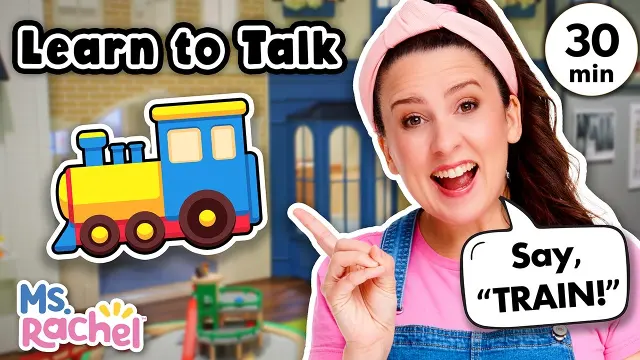
 Learn to Talk and Explore Museum Play Skills with Ms Rachel
#Play Skills
1 ideas
Learn to Talk and Explore Museum Play Skills with Ms Rachel
Get new #Play Skills ideas by email
Every Thursday: the week's best ideas, with the newest from #Play Skills.
Related tags
Play Skills for Child Development
What play skills are
Play skills are the abilities children use to start, join, and enjoy play with toys, people, and ideas. They include everything from holding a block and pretending a spoon is food to taking turns, copying actions, and creating games with rules. Play is one of the main ways young children learn about the world. It helps them practise movement, language, thinking, and social interaction in a way that feels natural and fun.
Children usually develop play skills gradually. At first, play may be simple and sensory: looking, shaking, stacking, or exploring objects. Later, it becomes more purposeful, with pretend roles, building projects, and shared games. There is no single right pace, and children often move back and forth between different kinds of play as they grow.
Main kinds of play
Read more
Different play skills support different areas of development:
- Sensory play: touching, pouring, squeezing, listening, and exploring textures or sounds
- Functional play: using toys and objects in a typical way, such as rolling a car or feeding a doll
- Constructive play: building, drawing, sorting, and making something from materials
- Pretend play: imagining roles, stories, and situations
- Physical play: running, climbing, dancing, balancing, and other large movement
- Social play: playing alongside others, sharing ideas, taking turns, and joining group games
Each kind of play has value. A child who loves building may be practising problem-solving, while a child who enjoys pretend cooking may be developing language and imagination.
How children learn play skills
Children usually learn play by watching, copying, experimenting, and repeating. They often need time to explore before they can use a toy or activity in a new way. For example, a child may first bang two blocks together, then stack them, and later build a bridge or pretend the blocks are a train.
You can help by keeping play simple, giving enough time, and joining in without taking over. Children often learn best when an adult follows their lead, names what is happening, and adds a small idea or action to extend the play.
Practical tips for supporting play
- Offer open-ended materials such as blocks, fabric, boxes, dolls, or safe household items
- Choose toys that can be used in more than one way
- Make space for both quiet play and active play
- Model simple pretend actions, like feeding, driving, or sorting
- Use clear language to support turn-taking and sharing
- Repeat favourite games, since repetition helps children feel confident
- Keep expectations realistic, especially for younger children or shy children
What to keep in mind
If a child seems unsure how to play, start small. A short game, one toy, or a simple routine can be enough. Some children prefer movement, while others enjoy puzzles, stories, or pretend roles. All of these are valid ways to play.
The most important thing is not to make play feel like a test. When play feels safe and enjoyable, children are more likely to explore, try new ideas, and build confidence over time.
Videos come from YouTube and posts from Instagram; titles and summaries are our own. All rights belong to their creators.