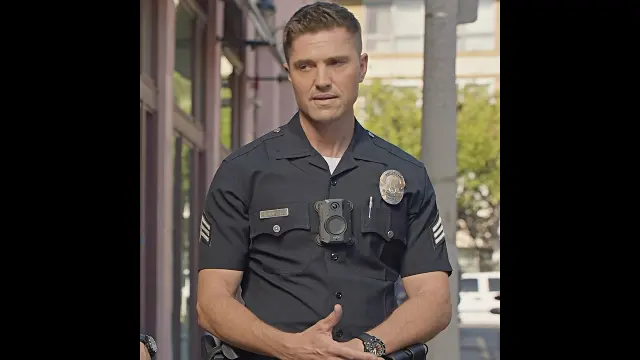
 The Rookie Police Procedural Television Series Scene
#Police Drama
1 ideas
The Rookie Police Procedural Television Series Scene
Get new #Police Drama ideas by email
Every Thursday: the week's best ideas, with the newest from #Police Drama.
Related tags
Police Drama: Cops, Cases and Conventions
Police drama is one of the oldest and most durable forms of popular storytelling. At its centre sits a simple engine: a crime, the people whose job it is to answer for it, and the gap between what the audience knows and what the characters can prove. Everything else — the uniforms, the interview rooms, the paperwork, the long nights — is texture built around that engine.
Where it comes from
The genre grows out of two older traditions. One is the detective story, with its puzzle and its investigator reasoning toward a solution. The other is the documentary impulse to show institutions at work: shifts, ranks, procedure, the ordinary machinery of an organisation. Television inherited both, and over time learned to mix them in different proportions.
The procedural and the serial
Read more
Most police drama sits somewhere between two poles. The procedural tells a self-contained story within an episode: a case opens, suspects are eliminated, a resolution arrives before the credits. The serialised drama stretches one story across many episodes and lets consequences accumulate, so that a mistake made in one case follows an officer into the next. Many series blend the two, using a fresh case each week while a longer thread runs underneath.
Main styles
- Uniform or detective: some series follow patrol officers and the texture of a shift; others follow investigators and the mechanics of an inquiry.
- Case-of-the-week or long arc: the balance between standalone stories and a mystery that runs across a whole series.
- Ensemble or single lead: whether the story is carried by one investigator or by a station, a squad, or a family.
- Realism or stylisation: from grey, deliberately undramatic depictions of institutional work to heightened, atmospheric crime storytelling with strong visual mood.
What beginners should know
Expect conventions, and enjoy them. The genre runs on recurring figures — the mentor, the rule-breaker, the colleague who cuts corners — and on recurring situations: the interview, the stakeout, the moment a witness quietly changes their story. Knowing those conventions is what lets you notice how a particular series twists them, or refuses them entirely.
Watching with a little distance makes it richer, too. It is worth asking what a story assumes about authority, about who is trustworthy and who is not, and about the cost of the work on the people doing it. Many of the strongest examples are as interested in institutions and their limits as in the crime itself.
Practical tips
- Start with one series rather than sampling many; the genre rewards getting to know a cast.
- Give a show two or three episodes before deciding. Opening episodes tend to over-explain.
- Use subtitles if you can. Police drama leans heavily on quiet dialogue and overlapping speech.
- Keep track of names if the cast is large. The genre loves a returning character.
Police drama endures because it lets us watch people make decisions under pressure, with incomplete information, and then live with the result. That is a story with almost endless variations.
#Police Drama: frequently asked questions
What exactly is police drama, and how is it different from other crime stories?
Police drama is built around a single engine: a crime, the people whose job is to answer for it, and the gap between what the audience understands and what the characters can actually prove. It grows out of two older traditions — the detective puzzle and the documentary-style look at institutions at work — so it tends to be as interested in procedure, ranks and paperwork as in the mystery itself. That mix of puzzle and workplace is what separates it from crime stories that focus only on the culprit or the victim.
How should someone new to the genre start watching police drama?
Pick one series and stay with it rather than sampling many, because the genre rewards getting to know a cast and a station over time. Give it a few episodes before you decide — opening episodes usually over-explain the setup and settle down afterwards. Turning on subtitles helps too, since much of the drama happens in quiet, overlapping dialogue.
What is the difference between a procedural and a serialised police drama, and which kind should I choose?
A procedural wraps up a case within an episode, while a serialised drama stretches one story across many episodes and lets the consequences of a mistake follow an officer forward. Many series blend the two, running a fresh case each time with a longer thread underneath. Choose the procedural if you want something you can dip into casually, and the long arc if you enjoy watching pressure and fallout accumulate.
What are common mistakes people make when getting into police drama?
Quitting after the first episode is the usual one, since pilots tend to spell everything out before the show finds its rhythm. Another is treating the conventions as flaws — the mentor, the rule-breaker, the interview that turns on one changed detail — instead of noticing how a particular series twists them or refuses them. Losing track of names in a large ensemble is also worth guarding against, because the genre loves bringing characters back.
How can I get more out of a police drama than just following the case?
Watch with a little distance and ask what the story assumes about authority — who is trustworthy, who is not, and what the work costs the people doing it. The strongest examples are as interested in institutions and their limits as in the crime, and that layer is where most of the real tension sits. Keeping an eye on the uniforms, interview rooms and night shifts as texture, rather than background, makes that reading much easier.
What makes a good pick for a themed police drama viewing night?
Balance realism against stylisation depending on the mood: grey, deliberately undramatic depictions of institutional work suit a focused watch, while heightened, atmospheric storytelling with strong visual mood carries a more social evening. It also helps to decide up front whether you want an ensemble carried by a whole squad or a single lead, since that changes how much attention the room needs to pay. Serving the theme in the room itself — dim lighting, case-file props, a map on the wall — makes the genre's mood part of the occasion.
Videos come from YouTube and posts from Instagram; titles and summaries are our own. All rights belong to their creators.