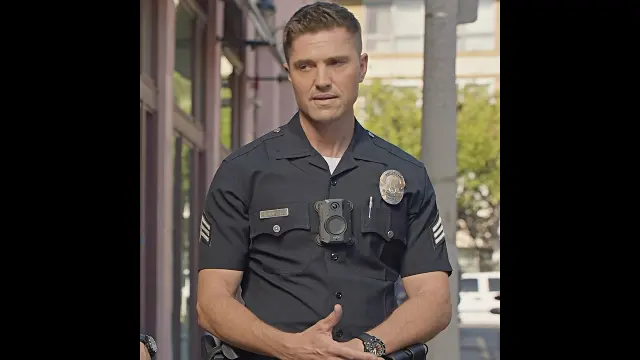
 The Rookie Police Procedural Television Series Scene
#The Rookie
1 ideas
The Rookie Police Procedural Television Series Scene
Get new #The Rookie ideas by email
Every Thursday: the week's best ideas, with the newest from #The Rookie.
Related tags
The Rookie: The Police Drama Explained
Some series hang on a single idea, and The Rookie is one of them. It is an American police procedural drama whose title points at its hero: a man who, well into adulthood, walks away from the career he spent years building and signs up to become a police officer. He is older than his instructors expect, older than the other recruits, and older than most of the officers he ends up working beside. That premise, starting over when everyone assumes you are already settled, is what lifts the show out of the crowded ranks of detective television.
Where the format comes from
The police procedural is one of the oldest and most reliable shapes in television. A crime appears, an investigation follows, and order is usually restored by the closing credits, while the private lives of the investigators unspool quietly in the background across a whole season. The Rookie borrows that skeleton and grafts onto it the workplace-ensemble style familiar from hospital and firehouse dramas: a shift opens with roll call, new officers are paired with training officers, and the story moves between the street, the station and the characters' homes. The result is a series you can dip into episode by episode, though it rewards watching in order.
Tone and texture
Read more
It sits between drama and light comedy. Dangerous calls are played seriously, but the writing leans on banter, warmth and the easy affection between colleagues, which is a large part of why people keep coming back. It rarely lingers in grimness; the appeal is company as much as suspense.
The kinds of story you will meet
- The case of the week: a self-contained incident that opens and closes within an episode.
- The mentor thread: the relationship between an experienced officer and a beginner, and what each teaches the other.
- The long arc: a storyline that develops slowly across the season and pays off late.
- The moral question: episodes that ask what good policing should look like, often through disagreement rather than easy answers.
The premise proved flexible enough to support a spin-off following federal agents, in the same world and with the same mixture of action and humour.
If you are new to it
Start near the beginning. The early episodes establish the friendships, rivalries and working habits that later stories depend on, and watching out of order flattens them.
Give the ensemble time. These shows are built for several leads rather than one, and the quieter characters tend to grow on you.
Treat it as fiction. Real police work is slower, more bureaucratic and far more procedural than anything compressed into a weekly episode; the drama is imagined, not a manual.
And there is no need to binge. Part of the charm is that it works as comfort viewing: an hour, a shift, a small resolution, and the sense of a group of people you have come to know.
#The Rookie: frequently asked questions
What is The Rookie actually about?
A man well into adulthood walks away from the career he spent years building and signs up as a police recruit, older than his instructors, his classmates and most of the officers he ends up beside. The series follows his training, the other recruits he trains alongside, and the experienced officers who mentor them, blending self-contained cases with the characters' private lives.
Do I have to watch The Rookie in order?
You can dip into a single episode, since most cases open and close within the hour. But the friendships, rivalries and working habits that later stories lean on are set up early, and jumping around flattens them, so starting near the beginning serves you better.
Is it a comedy or a serious drama?
It sits between the two: dangerous calls are played straight, while the station runs on banter, warmth and easy affection between colleagues. It rarely lingers in grimness, which is a big part of why it works as comfort viewing rather than tension viewing.
How much do I need to know about real policing before watching?
Nothing at all. It is fiction compressed into a weekly episode, and actual police work is slower, more bureaucratic and far more procedural than anything the show can fit in. Enjoy it as drama, not as a manual.
Is there more to watch once I finish the main series?
Yes, the premise proved flexible enough to support a spin-off following federal agents, set in the same world and carrying the same mix of action and humour. Watching the original first helps, because the tone and the characters' habits carry over.
What mistake do new viewers usually make?
Expecting one hero to carry everything. These shows are built around an ensemble, and the quieter characters tend to grow on you slowly, so giving them time is worth the patience. The other common slip is bingeing straight through when an hour at a time is how it is meant to feel.
Videos come from YouTube and posts from Instagram; titles and summaries are our own. All rights belong to their creators.