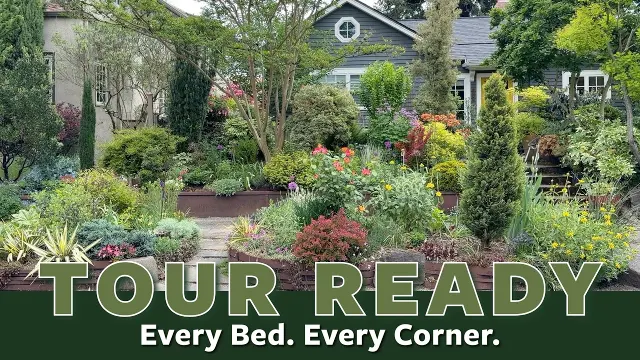
 Full Property Garden Tour in Portland, Oregon Zone 8b
#Portland Garden
1 ideas
Full Property Garden Tour in Portland, Oregon Zone 8b
Get new #Portland Garden ideas by email
Every Thursday: the week's best ideas, with the newest from #Portland Garden.
Related tags
Portland Garden Guide
What a Portland garden is
A Portland garden is shaped by the mild, wet winters and relatively dry summers of the Pacific Northwest. In practice, that means gardeners often work with rich soil, steady rainfall for part of the year, and a growing season that rewards thoughtful plant choice and good drainage. The look is often lush and layered, with a mix of evergreens, flowering shrubs, perennials, ferns, and seasonal color.
Portland gardens can range from compact city plots and courtyard spaces to larger suburban landscapes. Because the climate supports many kinds of plants, you can create styles that feel natural and relaxed, formal and structured, or edible and practical. The best gardens usually balance beauty with resilience, choosing plants that suit the local conditions instead of fighting them.
Common styles and planting ideas
Read more
Many Portland gardens take inspiration from woodland and cottage-style planting, where textures and foliage matter as much as flowers. Shade-tolerant plants, native species, and moisture-loving perennials often do well in sheltered spots. In sunnier areas, grasses, roses, flowering shrubs, and Mediterranean-style planting can also thrive if the soil drains well.
Useful plant groups often include:
- Evergreen shrubs for year-round structure
- Ferns and hostas for shade
- Perennials for repeated seasonal interest
- Bulbs for spring color
- Herbs and vegetables in sunny, well-prepared beds
- Groundcovers to soften edges and reduce bare soil
If you want a garden that feels established, think in layers: taller shrubs or small trees, mid-height flowering plants, and lower groundcovers. This creates depth and helps the garden look good through more than one season.
What beginners should know
The biggest beginner mistake in a Portland garden is assuming all plants like constant moisture. Winter rain can hide drainage problems, and many plants suffer more from wet roots than from dry weather. Before planting, check how water moves through your soil and whether your beds need improvement.
A few practical tips:
- Match each plant to sun, shade, and moisture conditions
- Improve heavy soil with organic matter
- Mulch to help retain moisture in summer and protect roots
- Water deeply rather than little and often
- Leave space for mature size so plants are not crowded
- Use containers for plants that need extra control over soil and drainage
It also helps to watch your garden through the year. A spot that seems sunny in winter may be hot and exposed in summer, while a damp corner can stay cool and shaded. Seasonal observation is one of the best tools a gardener can have.
Creating a lasting Portland garden
A successful Portland garden usually feels generous, textured, and adaptable. Choose plants for structure as well as flowers, and mix evergreen backbone plants with softer seasonal growth. If you enjoy edible gardening, combine herbs, berries, and vegetables with ornamental plants so the space feels useful and beautiful at the same time.
The most satisfying gardens are rarely perfect from the start. They evolve as you learn the light, soil, and moisture in your own space. With patience and a few good plant choices, a Portland garden can become a welcoming place that grows more beautiful with each season.
#Portland Garden: frequently asked questions
How do I start a Portland garden as a beginner?
Start by watching your space through the seasons before you plant anything, noting where sun lands, where water pools, and how the soil feels in your hand. Then choose a small area and pick plants that already suit those conditions rather than trying to change them. Improving soil with organic matter and mulching are the habits that pay off fastest.
What do I need to know about drainage before planting?
Drainage matters more in Portland than most new gardeners expect, because heavy winter rain can sit in soil that looks fine in summer. Dig a test hole, fill it with water, and see how quickly it empties, or simply watch where puddles linger after a storm. Beds that hold water can be raised, amended with organic matter, or planted with species that tolerate wet roots.
Which garden style suits a Portland yard best?
There is no single right answer, since the climate supports woodland and cottage planting, formal structure, and edible beds equally well. A useful approach is to let the site decide: shaded, sheltered corners favor ferns, hostas and native woodland plants, while sunny spots with sharp drainage open up grasses, roses and Mediterranean-style choices. Many gardeners end up mixing a loose, layered look with a few practical edible beds.
How should I care for a Portland garden through the year?
Water deeply but less often in the dry summer months, since shallow daily sprinkling encourages weak roots, and mulch to hold moisture and keep soil cool. In winter, the main job is making sure water drains away rather than sitting around crowns and roots. Beyond that, seasonal observation does more for a garden than any rigid schedule.
How can I make a new garden look established quickly?
Plant in layers: taller shrubs or small trees for the back, mid-height flowering plants in the middle, and low groundcovers spilling toward the edges. Including evergreens gives the space structure even when flowers fade, so it reads as full through more than one season. Leaving room for each plant's mature size keeps the result from looking cramped later.
What is the most common mistake people make in Portland gardens?
Assuming every plant wants constant moisture is the classic error, since wet roots cause more losses here than dry spells do. The second is ignoring light, because a spot that seems bright in winter can become scorching in summer and a damp corner stays shaded and cool. Matching each plant to the actual conditions, and using containers where you need control over soil, solves most of it.
Videos come from YouTube and posts from Instagram; titles and summaries are our own. All rights belong to their creators.