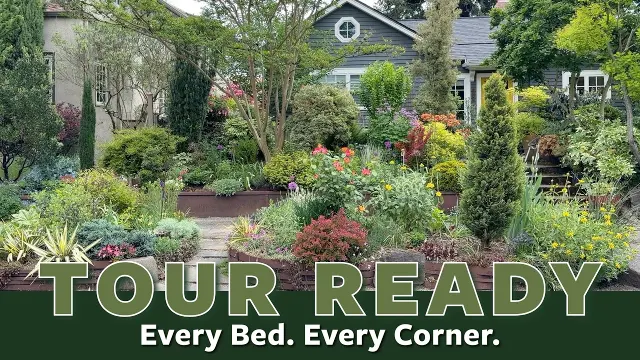
 Full Property Garden Tour in Portland, Oregon Zone 8b
#Urban Oasis
1 ideas
Full Property Garden Tour in Portland, Oregon Zone 8b
Get new #Urban Oasis ideas by email
Every Thursday: the week's best ideas, with the newest from #Urban Oasis.
Related tags
Urban Oasis: Making a Green Retreat in the City
An urban oasis is a small patch of green, quiet and shade carved out of a built-up place. It can be a courtyard behind a terraced house, a balcony crowded with pots, a shared community garden, or a strip of grass between two apartment blocks. What makes it an oasis is not size but contrast: somewhere a person can step out of the noise of the street and feel the pace drop.
Where the idea comes from
Gardens in dense cities are old. Walled courtyard gardens appear across the Mediterranean and the Middle East, where shade and water were the whole point of a house's inner space. In northern Europe, the allotment garden movement gave working families a small plot of soil to grow food on and sit in. Rooftop and terrace greening grew out of the simple fact that in a crowded city, the only unused ground is often above your head. The modern idea of the urban oasis borrows from all of these: it is a garden designed around enclosure, shelter and a change of mood rather than around a large lawn.
The main kinds
Read more
- Courtyard and patio gardens: enclosed by walls or buildings, sheltered from wind, usually planted for shade and scent.
- Balcony gardens: container-based, and the most constrained, since weight, drainage and wind all need thinking about.
- Roof terraces: bright, exposed and windy, with the advantage of open sky and no overshadowing trees.
- Allotments and community plots: shared ground for growing vegetables and flowers, often with a seating area and a shed.
- Guerrilla and pocket green: tree pits, window boxes and planted corners of public space that residents care for themselves.
- Container and indoor-outdoor hybrids: pots that move between a room and a step, blurring the line between house and garden.
What beginners should know
Work out your light first. Watch a spot through the day before you buy anything, because a corner that looks sunny at noon may be in shadow by mid-afternoon, and most planting decisions follow from that. Then look at the practical limits: how much weight a balcony or roof can take, where water drains, and whether wind funnels between buildings.
In small spaces, structure matters more than variety. A few upright plants for height, something trailing to soften an edge, and a seat you actually use will do more than a dense collection of pots. Grouping containers helps plants hold moisture and makes watering quicker.
Think about water honestly. Containers dry out fast, and hauling a can through a flat gets tiring, so choose plants that tolerate drying out and keep pots within easy reach. Mulch helps, and so does a saucer under each one.
Finally, plant for the senses rather than for a photograph: something scented near the door, leaves that move in a breeze, and a place to sit where you cannot see the traffic. An oasis is a feeling more than a design.
#Urban Oasis: frequently asked questions
How do I start an urban oasis if I have very little space?
Start by watching your spot through the day before buying anything, since light changes and most planting choices follow from it. Then work with the limits you actually have: how much weight a balcony or roof can carry, where water drains, and whether wind funnels between buildings. A few well-chosen plants and a seat you genuinely use will do more than a crowded collection of pots.
Which kind of urban oasis should I choose?
It depends on what your space is like rather than on taste alone. An enclosed courtyard or patio gives shelter and shade, a balcony garden is container-based and more constrained, and a roof terrace is bright, exposed and windy but has open sky. Allotments and shared plots suit people who want to grow food alongside others, while window boxes and cared-for tree pits work when no private ground exists at all.
How do I care for plants in containers on a balcony?
Containers dry out quickly, so pick plants that tolerate drying out and keep the pots within easy reach to make watering less of a chore. Grouping them together helps hold moisture, and mulch plus a saucer under each pot slows the loss further. Think about drainage and wind too, because both do more damage on a balcony than in open ground.
What are the common mistakes beginners make with an urban oasis?
The usual one is buying plants before checking the light, so a corner that looks sunny at noon turns out to be shaded later in the day. Another is aiming for variety instead of structure: height, something trailing to soften an edge, and a place to sit matter more than a dense collection of pots. Forgetting how tiring watering becomes, or ignoring weight and drainage, are the other easy things to miss.
Do I need a garden to create an urban oasis?
No. What makes an oasis is contrast rather than size, so a courtyard, a balcony, a shared plot or even a planted corner of public space can serve the purpose. The point is somewhere you can step out of the noise of the street and feel the pace drop, which a well-arranged set of pots can achieve as well as a lawn.
What ideas help an oasis feel calming rather than just tidy?
Plant for the senses instead of for a photograph: something scented near the door, leaves that move in a breeze, and a seat placed where you cannot see the traffic. Shelter and enclosure matter more than a big open area, which is why walls, screens and grouped containers create a change of mood. The aim is a feeling of stepping out of the street, not a display.
Videos come from YouTube and posts from Instagram; titles and summaries are our own. All rights belong to their creators.