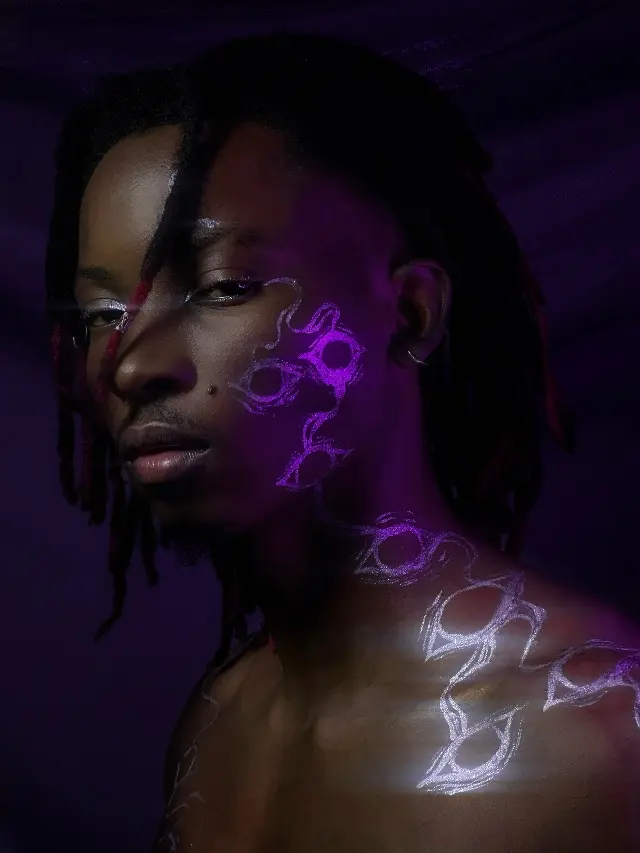
 Arcana Editorial: Alternative Makeup and Portrait Series
#Portrait Photography
2 ideas
Arcana Editorial: Alternative Makeup and Portrait Series
Get new #Portrait Photography ideas by email
Every Thursday: the week's best ideas, with the newest from #Portrait Photography.
Related tags
Portrait Photography: A Beginner's Evergreen Guide
Portrait photography is the practice of making an image that says something about a person, not just records what they look like. It is one of the oldest reasons people picked up a camera: before photography existed, painted portraits were how families kept faces close, and the camera turned that privilege into something almost anyone could take part in. Today the genre covers everything from a formal studio sitting to a quick snapshot of a friend in a kitchen, and all of it rests on the same few ideas — light, expression, framing and trust.
The main kinds of portrait
- **Studio portraits** use controlled light against a plain or painted backdrop, so attention stays on the face and the mood you build around it.
- **Environmental portraits** place the person in a space that means something — their workshop, their kitchen, their street — and let the surroundings do part of the storytelling.
- **Natural light portraits** rely on a window, an open doorway or the soft light of early morning and late afternoon, which flatters skin and keeps things simple.
- **Candid and documentary portraits** catch people mid-movement, unposed, often in series rather than single frames.
- **Headshots and family portraits** are the practical end of the genre: consistent, clear, made to be used.
Light comes first
Read more
Before you think about anything else, look at the light. Large, soft sources — an overcast sky, a window with thin curtains, a wall in open shade — smooth out shadows and are forgiving of skin. Small, hard sources make crisp shadows and strong contrast, which suits drama and character but shows every flaw. A single white wall or a sheet of white foam board opposite your subject will bounce light back and soften the shadowed side of the face. If the light is coming from behind, expose for the face rather than the bright background.
Lenses and framing
A moderate telephoto lens is the classic portrait choice because it keeps features in natural proportion and lets you fill the frame without standing in someone's space. Wider lenses are wonderful for environmental work, where you want the room in the picture, but get close to a face with one and noses grow and ears shrink. Leave a little breathing room above the head, watch the edges of the frame for distracting objects, and decide deliberately whether the eyes sit on a rule-of-thirds line or dead centre.
Working with people
The technical part is learnable; the human part is what makes the picture. Explain what you are doing, keep talking, and give people something to do with their hands and their attention. Sitting, leaning, walking, turning to answer a question — all of it reads better than a frozen smile. Ask about the person before you ask them to pose, and photograph the moment just after a laugh, when the face is unguarded. Show a frame or two if it helps someone relax, and always ask permission before sharing an image of anyone.
Practise often with the same person and the same window, changing only one thing at a time. That is how you learn to see light.
#Portrait Photography: frequently asked questions
How do I get started with portrait photography if I've never done it before?
Begin with the light you already have — a window, an open doorway, or a wall in open shade — and one patient person willing to be photographed often. Keep the setup the same and change only one thing at a time, so you can actually see what that change did. Repeated practice with the same face in the same light teaches you more than any new piece of gear.
What do I actually need to take a good portrait?
Less than most people expect: a camera you understand well and someone to point it at. A white wall or a sheet of foam board to bounce light back into the shadowed side of the face will improve results more than another lens. A moderate telephoto is the traditional choice because it keeps features in natural proportion and lets you fill the frame without crowding the person.
Which kind of portrait should I choose?
Let the purpose decide. A studio setting keeps all the attention on the face and the mood you build, while an environmental portrait lets a workshop, kitchen or street carry part of the story. Natural light suits anyone after something simple and flattering, candid work suits people who stiffen when posed, and headshots or family pictures are the practical option when the image has to be clear and usable.
How do I help someone relax in front of the camera?
Talk to them — say what you're doing, ask about their life, and give their hands and attention somewhere to go. Sitting, leaning, walking or turning to answer a question all look better than a held smile, so photograph the instant just after a laugh. Showing a frame or two can settle nerves, and always ask before sharing anyone's picture.
What are the most common mistakes in portrait photography?
Getting close to a face with a wide lens, which stretches the nose and shrinks the ears, and ignoring the background so a bright window or clutter steals attention. Another frequent slip is exposing for a bright background instead of the face when the light comes from behind. Cropping too tightly above the head or leaving stray objects at the frame edges is easy to fix once you train yourself to check.
How should I care for and display finished portraits?
Keep prints out of direct sunlight and away from damp, and handle them by the edges so oils from your fingers don't mark the surface. Frame behind glass or store them flat with acid-free tissue between sheets. Back up digital files in more than one place — a portrait kept in a single copy is one accident away from being lost.
Videos come from YouTube and posts from Instagram; titles and summaries are our own. All rights belong to their creators.