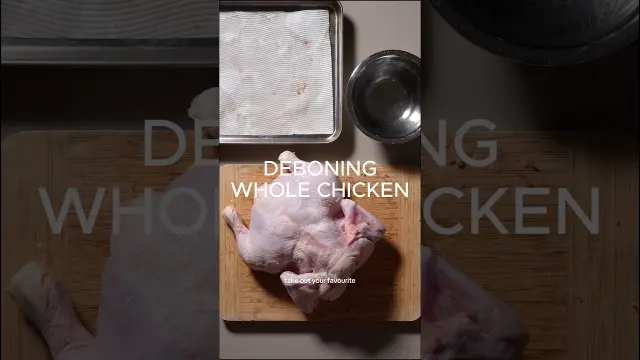
 A Short Kitchen Hack for Deboning a Whole Chicken
#Poultry
1 ideas
A Short Kitchen Hack for Deboning a Whole Chicken
Get new #Poultry ideas by email
Every Thursday: the week's best ideas, with the newest from #Poultry.
Related tags
Poultry: A Guide to Cooking Chicken, Turkey and More
Poultry is the collective name for birds raised for their meat and eggs: chicken, turkey, duck, goose, guinea fowl and, in many kitchens, quail and pigeon. The word comes through Old French *pouletrie*, from *poulet*, a young chicken, and it has always carried the sense of a farmyard bird rather than game shot in the wild. That distinction still matters in the kitchen, because domesticated birds are bred to be tender and mild, while game birds are leaner, firmer and stronger in flavour.
Chicken is by far the most widely cooked poultry in the world, and its popularity rests on three things: it takes on almost any seasoning, it cooks relatively quickly, and it is versatile enough to be poached, roasted, grilled, fried or shredded into soups and stews. Turkey follows closely, especially as a centrepiece bird for large gatherings, though its meat is also used for cutlets, mince and cold cuts. Duck and goose are richer and fattier, with a dark, dense flesh that rewards slow roasting and benefits from being scored so the fat renders away.
White meat and dark meat
The difference between white and dark meat is a matter of how much the muscle is used. Breast and wing meat is pale and lean, cooking fast and drying out easily. Leg and thigh meat is darker, more marbled with fat and connective tissue, and stays juicy through longer cooking. This is why a whole bird roasted at one temperature can end up with dry breast and undercooked legs; many cooks separate the two, or start the legs earlier.
Read more
Buying and storing
Fresh poultry should look moist but not wet, with clean skin and a fresh, mild smell. Check the date, keep it refrigerated, and place it on a lower shelf so nothing drips onto other food. If you freeze it, do so promptly and thaw it in the fridge rather than at room temperature. Never wash raw poultry: splashing spreads bacteria around the sink and worktop, and cooking kills what washing would not remove.
Cooking basics
Poultry needs to be cooked through. A digital thermometer inserted into the thickest part of the flesh, away from bone, is the most reliable guide. Rest the bird or the cut for a few minutes after cooking so the juices settle back into the meat. Salting ahead, brining or a simple marinade all help keep lean cuts moist, and rubbing butter or oil under the skin improves browning.
Using the whole bird
Nothing needs to be wasted. Bones, wing tips and skin make a good stock; fat skimmed from duck or goose roasting juices is excellent for potatoes; and leftover meat is ideal for salads, sandwiches, pies and rice dishes.
Whether you are roasting a whole bird for a crowd or browning a few thighs on a weeknight, poultry rewards attention more than complexity. Buy it fresh, handle it cleanly, season it properly and do not rush the heat.
#Poultry: frequently asked questions
What is poultry, and which birds count as poultry?
Poultry covers the birds raised for meat and eggs, such as chicken, turkey, duck, goose and guinea fowl, and often quail and pigeon too. The word traces back through Old French to a term for a young chicken, and it still means farmyard birds rather than game shot in the wild. That farmyard-versus-game distinction matters in the kitchen, since domesticated birds are bred to be mild and tender while game birds are leaner and more strongly flavoured.
Which poultry should I choose if I'm new to cooking it?
Chicken is the easiest starting point because it suits almost any seasoning, cooks fairly quickly and works with poaching, roasting, grilling or frying. Once that feels comfortable, turkey is a natural next step, while duck and goose are better saved for when you have time for slower roasting, as their richer, fattier flesh needs longer heat and benefits from scoring the skin.
What should I look for when buying and storing poultry?
Choose pieces that look moist without being wet, with clean skin and a fresh, mild smell, and always check the date on the pack. Keep it refrigerated and place it on a lower shelf so nothing drips onto other food, and if you freeze it, do it promptly and thaw it in the fridge rather than on the counter. Freshness and clean handling do more for the finished dish than any elaborate technique.
Why does a whole roasted bird come out dry in places?
The breast is lean muscle that cooks fast and dries easily, while the legs are darker, fattier and need more time, so roasting a whole bird at one temperature can leave the breast overdone and the legs underdone. Many cooks solve this by separating the two or giving the legs a head start. A thermometer in the thickest part away from the bone is the surest way to tell when it is done, and resting it briefly afterwards lets the juices settle back in.
What are the common mistakes people make with poultry?
Rushing the heat and skipping the rest are the usual culprits, along with under-seasoning lean cuts that benefit from salting ahead, brining or a marinade. Washing raw poultry is another habit worth dropping, because the splashing spreads it around the sink and worktop without removing anything, and cooking takes care of that anyway. Treating the bird as one uniform piece instead of white and dark meat with different needs is the mistake behind most disappointing results.
Is there anything worth making with the parts I don't serve?
Yes, and it is often the best part of the job: bones, wing tips and skin make a good stock, and the fat skimmed off duck or goose roasting juices is excellent for potatoes. Leftover meat holds up well in salads, sandwiches, pies and rice dishes. Nothing much needs throwing away if you keep the trimmings in mind.
Videos come from YouTube and posts from Instagram; titles and summaries are our own. All rights belong to their creators.