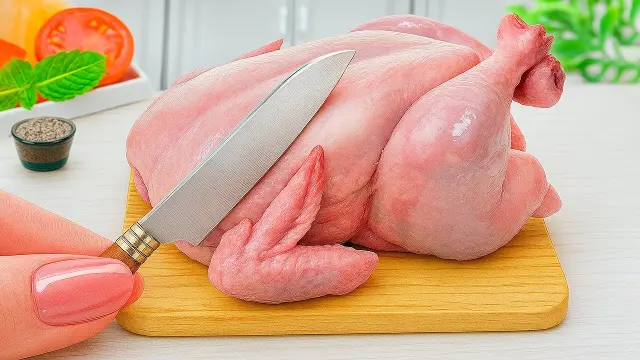
 Miniature chicken curry cooked inside a pumpkin
#Pumpkin Recipe
1 ideas
Miniature chicken curry cooked inside a pumpkin
Get new #Pumpkin Recipe ideas by email
Every Thursday: the week's best ideas, with the newest from #Pumpkin Recipe.
Related tags
Pumpkin Recipes: A Guide to Cooking and Baking With Pumpkin
Pumpkin is one of those ingredients that moves easily between sweet and savoury, and that flexibility is exactly why it appears in so many kitchens around the world. Botanically a fruit, treated culinarily as a vegetable, it belongs to the squash family and comes in dozens of varieties, from small sweet ones to large fibrous types grown for livestock. The flesh is dense, faintly sweet and mildly nutty, and it takes on spice, smoke, butter and acidity with equal ease.
Choosing and storing
Look for a pumpkin that feels heavy for its size, with a hard, unbroken skin and a dry, firm stem. Avoid soft spots and any smell of fermentation. A whole pumpkin keeps for weeks in a cool, dark, airy place, though not in a cold fridge, which can chill it. Once cut, wrap the pieces and use them within a few days, or cook and freeze the flesh.
Getting it ready to cook
Read more
Wash the outside well before cutting, since you will be handling the skin and seeds. Cut off the top and base so it sits flat, then halve it, scoop out the seeds and stringy fibres, and cut into wedges or cubes. Small varieties can be roasted in halves; large, thick-skinned ones are easier peeled and cubed first. Many cooks find a sturdy knife and a stable board more useful than force, and a spoon better than a knife for scraping the cavity.
The main ways to cook it
Roasting is the most forgiving method: toss cubes or wedges with oil and salt and cook until the edges caramelise, which concentrates the sweetness. Steaming or boiling suits flesh destined for purées, soups and baking. Purée can be stirred into risotto, pasta sauces, pancakes and bread doughs, or frozen in portions. Small whole pumpkins make natural cooking vessels for stews, curries, grain dishes and baked custards, with the softened walls scooped up along with the filling. Slices also take well to grilling and to pickling, a long-standing preservation method in several cuisines.
Sweet pumpkin cooking leans on warm spices such as cinnamon, ginger, nutmeg and cloves, which flatter its natural sugar. Classic results include pies, tarts, quick breads, muffins, cheesecakes and simple puddings. On the savoury side, pumpkin pairs happily with sage, rosemary, chilli, garlic, onion, coconut milk, lentils and salty cheeses.
Seeds and skin
Do not discard the seeds. Rinse them, dry them, toss with a little oil and salt, and roast them slowly until crisp; they make a good snack or salad topping. The skin of thin-skinned varieties is edible once roasted and adds texture, while thicker skins are better composted.
Tips for beginners
- The smaller the pumpkin, the sweeter and less watery the flesh usually is.
- Roast rather than boil when you want flavour, since boiling draws sugar and aroma into the water.
- Drain cooked, watery flesh in a sieve before using it in baking, or the result may be heavy.
- Season generously: pumpkin needs salt, acid or spice to taste like much on its own.
- Cut pumpkin on a damp cloth to stop the board slipping, and keep your fingers clear.
Above all, taste as you go. Pumpkin is a patient ingredient that rewards slow cooking, generous seasoning and a willingness to try it both sweet and savoury.
#Pumpkin Recipe: frequently asked questions
How do I choose a good pumpkin for cooking?
Pick one that feels heavy for its size, with hard, unbroken skin and a dry, firm stem, and pass on any with soft spots or a fermented smell. Smaller varieties generally give sweeter, less watery flesh, while the very large thick-skinned types are better suited to peeling and cubing. A whole pumpkin then keeps for weeks somewhere cool, dark and airy rather than in the fridge.
Do I need to peel a pumpkin before cooking it?
Not always — thin-skinned varieties can be roasted in halves or wedges and eaten skin and all, which adds texture. Thick-skinned ones are easier to peel and cube first, since the skin stays tough even after cooking. Either way, wash the outside well before cutting, because you will be handling the skin and the seeds.
What is the easiest way to cook pumpkin?
Roasting is the most forgiving approach: toss cubes or wedges with oil and salt and cook until the edges caramelise, which concentrates the sweetness. Steaming or boiling is better when you want a smooth purée for soups, sauces or baking. Whichever you choose, cut it on a damp cloth so the board does not slip, and use a sturdy knife and a spoon rather than force.
Should I cook pumpkin sweet or savoury?
Both work, and the flesh takes spice, smoke, butter and acidity equally well. Sweet versions lean on warm spices like cinnamon, ginger and nutmeg for pies, quick breads and puddings, while savoury ones pair happily with sage, rosemary, chilli, garlic, coconut milk or salty cheese. Try it each way before deciding which you prefer.
What can I do with the seeds and skin so nothing is wasted?
Rinse the seeds, dry them, toss them with a little oil and salt and roast them slowly until crisp for a snack or salad topping. Skin from thin-skinned varieties is edible once roasted, though thicker skins are better composted. Leftover cooked flesh can also be frozen in portions for later soups, risotto or baking.
What mistakes should a beginner avoid with pumpkin?
Boiling when you want flavour is the common one, since it draws sugar and aroma out into the water. Drain watery cooked flesh in a sieve before baking, or the result turns out heavy, and season generously — pumpkin needs salt, acid or spice to taste like much on its own. Small whole pumpkins also make natural vessels for curries, stews or baked custards, with the softened walls scooped up alongside the filling.
Videos come from YouTube and posts from Instagram; titles and summaries are our own. All rights belong to their creators.